
Wire Rolling Mills: Unlocking Precision with OEM Specialized Solutions
2026-03-15
In the competitive world of metalworking, the precision and efficiency of wire rolling mills can make or break your production line. At GRM, we understand these challenges intimately and have developed specialized OEM solutions that transform standard operations into models of accuracy and reliability. Our approach isn't just about machinery; it's about unlocking new potential in every coil and wire, ensuring you stay ahead in a demanding market. Read on to discover how GRM's innovative technologies and tailored services can elevate your manufacturing process beyond the ordinary.
Custom Engineering for Wire Rolling Precision
When it comes to pushing the boundaries of wire quality, custom engineering is not just an option—it's a game-changer. By tailoring roll designs, material selection, and process parameters specifically to your application, you can achieve tolerances that standard off-the-shelf solutions simply can't match. Imagine producing wire with consistent cross-sections and surface finishes that eliminate downstream processing headaches, all while reducing scrap rates and boosting throughput.
The real magic happens in the details: think of specialized roll geometries that adapt to material flow dynamics, or advanced cooling systems that maintain dimensional stability during high-speed rolling. These bespoke tweaks ensure that every micron of deviation is accounted for, delivering wire that meets exact specifications—whether for delicate medical devices or robust automotive components. It's about precision that's designed in, not just added on.
Beyond just hitting tight tolerances, custom engineering empowers you to innovate. With a focus on your unique needs, from alloy-specific treatments to enhanced wear resistance, the process evolves into a collaborative effort. This approach doesn't just solve existing problems; it anticipates future ones, building in resilience and adaptability that keep you ahead in a competitive market where precision isn't just valued—it's demanded.
Advanced Materials and Durability in OEM Solutions
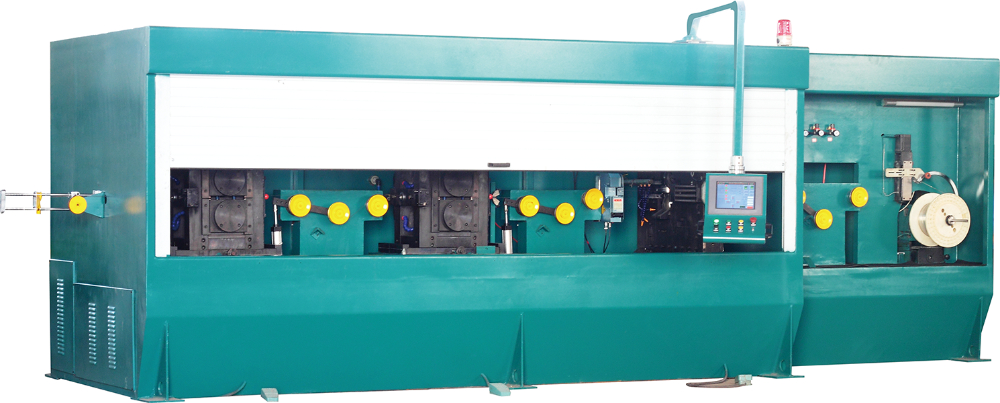
In today's competitive manufacturing landscape, OEM solutions are increasingly defined by their longevity and resilience, moving beyond basic functionality to withstand harsh environments and heavy use. The integration of advanced materials isn't just a trend; it's a strategic decision that can set your products apart in crowded markets. By leveraging innovations like carbon fiber composites, high-performance polymers, and corrosion-resistant alloys, engineers can design components that offer superior strength-to-weight ratios, enhanced thermal stability, and prolonged operational life. This approach directly addresses the growing demand from industries such as automotive, aerospace, and consumer electronics for products that reduce maintenance costs and downtime, ultimately boosting customer trust and brand reputation.
What truly distinguishes top-tier OEM solutions is a deep focus on durability through material science advancements. For instance, the use of self-healing polymers or ceramic coatings can significantly extend the lifespan of critical parts, ensuring they perform reliably under extreme stress or temperature fluctuations. This isn't about simply swapping out old materials for newer ones; it involves a holistic design philosophy that aligns material properties with specific application needs, from impact resistance in industrial machinery to UV stability in outdoor equipment. By adopting such tailored approaches, manufacturers can deliver solutions that not only meet but exceed industry standards, fostering long-term partnerships and repeat business in sectors where failure is not an option.
Looking ahead, the evolution of advanced materials continues to shape OEM offerings in unexpected ways. Innovations like smart materials that adapt to environmental changes or biodegradable composites for sustainability are pushing the boundaries of what's possible. This forward-thinking mindset ensures that durability isn't just about lasting longer—it's about performing smarter, with materials that contribute to energy efficiency, safety, and overall system integrity. As a result, companies that invest in these cutting-edge developments often find themselves at the forefront of their fields, turning material science into a key competitive edge that drives innovation and market leadership.
Innovative Technology for Enhanced Rolling Efficiency
Innovative advancements in rolling technology are revolutionizing manufacturing processes by optimizing efficiency and precision. This technology leverages smart sensors and AI-driven algorithms to monitor and adjust rolling parameters in real-time, ensuring minimal energy consumption and reduced material waste. By integrating adaptive control systems, manufacturers can achieve higher throughput while maintaining consistent product quality, making it a pivotal tool for industries like automotive and aerospace where tight tolerances are critical.
Beyond basic automation, this technology introduces predictive maintenance capabilities that preempt equipment failures, thus minimizing downtime and operational disruptions. Enhanced rolling efficiency also stems from novel lubrication methods and friction-reducing materials that lower wear and tear on machinery. These innovations not only boost productivity but also extend the lifespan of rolling equipment, leading to significant cost savings and a smaller environmental footprint through reduced energy usage and resource consumption.
Moreover, the technology facilitates seamless integration with digital twin simulations and IoT platforms, allowing for continuous optimization of rolling processes. This holistic approach enables predictive modeling of rolling scenarios, helping engineers fine-tune operations for maximum efficiency. As a result, companies adopting this technology gain a competitive edge by producing more with less, driving innovation in sectors that rely heavily on metal forming and fabrication.
Tailored Support and Maintenance Services
Our tailored support and maintenance services are designed to adapt to the unique demands of your business, ensuring that your systems remain resilient and efficient. Rather than offering a one-size-fits-all solution, we collaborate closely with you to identify specific pain points and goals, crafting a proactive strategy that includes regular updates, performance monitoring, and swift issue resolution. This personalized approach minimizes downtime and maximizes productivity, allowing you to focus on growth while we handle the technical intricacies.
Beyond basic troubleshooting, our services integrate seamlessly into your existing workflows, with flexible options ranging from 24/7 emergency assistance to scheduled maintenance windows. We prioritize transparency through detailed reporting and regular check-ins, so you're always informed about the health of your infrastructure. By aligning our support with your operational rhythms, we help prevent potential disruptions before they escalate, fostering a stable environment that supports your long-term objectives.
We understand that every organization evolves, so our maintenance plans are not static—they grow with you. Whether you're scaling up operations, adopting new technologies, or facing unexpected challenges, our team adjusts strategies in real-time to meet changing needs. This dynamic support model ensures sustained reliability and innovation, making your investment in our services a cornerstone of your competitive edge in today's fast-paced market.
Quality Assurance and Compliance Standards
In today's fast-paced business landscape, maintaining high-quality standards and adhering to compliance regulations isn't just a box to check—it's a cornerstone of trust and operational excellence. Companies that prioritize robust quality assurance frameworks ensure their products and services consistently meet or exceed customer expectations, fostering loyalty and reducing costly errors. By integrating cutting-edge methodologies like Six Sigma or ISO certifications, organizations can streamline processes and enhance reliability across the board, turning compliance into a competitive advantage.
Navigating the complex web of compliance standards demands more than a reactive approach; it requires a proactive, embedded culture of accountability. From industry-specific guidelines to global regulations like GDPR or HIPAA, staying compliant involves continuous monitoring and adaptation. This not only mitigates legal risks but also builds a reputation for integrity, making the business more attractive to partners and investors who value transparency and ethical practices in an ever-evolving market.
Ultimately, the synergy between quality assurance and compliance creates a resilient framework that drives innovation while safeguarding stakeholder interests. By embedding these principles into daily operations, from initial design to final delivery, companies can achieve sustainable growth and adaptability. This holistic approach ensures that every team member understands their role in upholding standards, empowering organizations to thrive with confidence in a world where quality and compliance are non-negotiable pillars of success.
Sustainable Practices in Wire Production
In the wire production industry, sustainability is no longer just a buzzword but a critical operational shift, driven by increasing environmental regulations and consumer demand for greener products. Companies are adopting innovative approaches like using recycled metals, which not only reduces the extraction of virgin resources but also cuts down on energy consumption and greenhouse gas emissions during manufacturing. For instance, some leading manufacturers now source over 80% of their raw materials from post-consumer scrap, integrating closed-loop systems that minimize waste and promote circular economy principles. This proactive stance helps in conserving natural habitats and mitigating climate impacts, making wire production more aligned with global sustainability goals.
Beyond material sourcing, energy efficiency plays a pivotal role in sustainable wire production. Many factories are transitioning to renewable energy sources, such as solar or wind power, to fuel their operations, significantly lowering their carbon footprint compared to traditional fossil fuel-based methods. Advanced technologies, like automated machinery with optimized power settings and heat recovery systems, further enhance efficiency by reducing energy waste during drawing and annealing processes. These measures not only lower operational costs over time but also demonstrate a commitment to reducing environmental impact, setting a benchmark for industry peers and fostering a culture of continuous improvement in eco-friendly practices.
Another key aspect involves waste management and water conservation, where sustainable wire producers are implementing rigorous protocols to minimize pollution and resource depletion. Techniques such as dry lubrication in wire drawing reduce the need for water-based coolants, preventing contamination of local waterways, while recycling wastewater through filtration systems ensures minimal discharge. Additionally, by designing durable, long-lasting wire products that are easier to recycle at end-of-life, companies can reduce landfill waste and promote a lifecycle approach to sustainability. These efforts, combined with transparent reporting on environmental performance, help build trust with stakeholders and differentiate brands in a competitive market increasingly focused on eco-conscious solutions.
FAQ
OEM solutions enhance precision and efficiency by tailoring machinery to specific production needs, reducing waste and downtime.
By integrating advanced control systems and custom tooling, they maintain tight tolerances and consistent wire quality throughout production.
Yes, they are designed to handle various materials like steel, copper, and alloys, optimizing performance for each type.
Innovations include AI-driven automation, real-time monitoring, and sustainable practices that boost productivity and reduce environmental impact.
Customization ensures mills meet unique industry standards, such as for electronics or construction, improving reliability and output quality.
They offer tailored support plans, readily available spare parts, and technical expertise to minimize breakdowns and extend operational life.
Conclusion
In the realm of wire rolling mills, unlocking precision is achieved through OEM specialized solutions that seamlessly integrate custom engineering and advanced materials. Custom Engineering for Wire Rolling Precision ensures that each mill is tailored to specific operational needs, optimizing performance for varied wire diameters and alloys. This approach is complemented by Advanced Materials and Durability in OEM Solutions, utilizing high-strength components that withstand intense pressures and prolonged use, thereby extending equipment lifespan and reducing downtime. Together, these elements form a robust foundation, enhancing reliability and accuracy in wire production processes.
Further enriching these solutions are Innovative Technology for Enhanced Rolling Efficiency, which incorporates automation and real-time monitoring to boost throughput and consistency. Tailored Support and Maintenance Services provide ongoing assistance, from installation to routine upkeep, ensuring smooth operations. Quality Assurance and Compliance Standards guarantee adherence to industry regulations, while Sustainable Practices in Wire Production emphasize eco-friendly methods, such as energy-efficient designs and waste reduction. This holistic strategy not only drives precision but also fosters competitiveness and environmental responsibility in the wire manufacturing sector.
Contact Us
Contact Person: Rayna
Email: [email protected]
Tel/WhatsApp: 86 -173 1474 6343
Website: https://www.grmrollingmill.com/