

Top Skiing Socks Supplier Reveals How to Choose the Perfect Pair for Ultimate Comfort
2026-05-26
When hitting the slopes, every skier knows that warm, dry feet can make or break the day. But not all skiing socks are created equal—and choosing the right pair is an art backed by science. As a leading manufacturer, Fuli Socks has spent years perfecting the blend of materials and design for ultimate comfort. In this guide, we pull back the curtain on what to look for so your next ride is as cozy as it is thrilling.
Material Matters: What Your Ski Socks Are Made Of
Ski socks earn their keep from the threads they're spun from. Merino wool sets the standard for a reason — it moves moisture before it can chill your toes and somehow stays odor-free even after a full day inside boots. But pure wool can pack out quickly, so most high-end socks blend it with nylon for durability and spandex for a wrinkle-free fit. Synthetics like polyester and polypropylene pop up in lightweight pairs geared for racing or spring slush, prized for rapid drying rather than that plush, cozy feel. Then there’s the occasional curveball, like socks reinforced with silk or even yak wool, each bringing its own quirks to temperature regulation and next-to-skin comfort.
What you don’t want is a sock that soaks up sweat like a sponge — cotton is a notorious culprit, turning into a freezing, blister-brewing disaster once it gets damp. The blend ratios steer performance more than most people realize: a taller merino percentage might cradle your feet in warmth during a sub-zero chairlift ride, but too little synthetic content and you risk a baggy, sagging fit by afternoon. Pay attention to where the cushioning sits, too — some brands target the shin and heel for impact protection without bulking up the forefoot, keeping your boot’s feel precise. Ultimately, the right material mix means fewer distractions and more time spotting your next line through the trees.
Cushioning That Counts: Finding the Right Padding
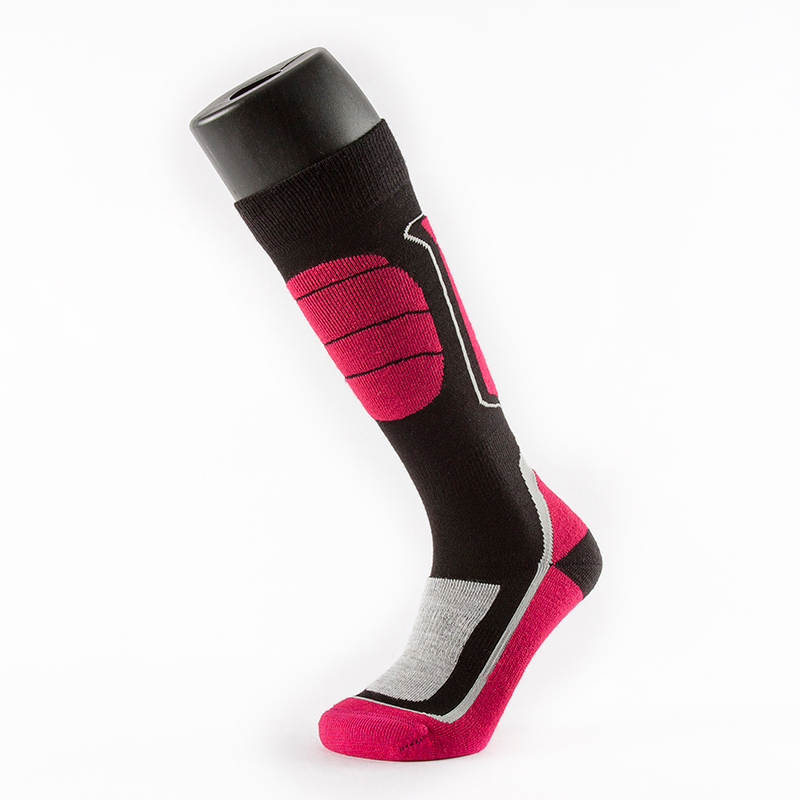
Padding isn't just about plushness—it's the silent architect of your comfort, shaping how you feel mile after mile. The right cushioning balances softness with resilience, absorbing shock without stealing your energy. Too little, and every stride sends vibrations rattling up your legs; too much, and you sink into a murky, unresponsive ride. The sweet spot lies in materials that compress on impact but spring back instantly, keeping you light on your feet.
Modern cushioning systems cater to different gaits and preferences, so it pays to know your own stride. If you land hard on your heels, look for thick, forgiving foam under the rearfoot to blunt the blow. Midfoot strikers often benefit from a more uniform pad that transitions smoothly from landing to toe-off. Meanwhile, runners who crave ground feel might appreciate minimal yet responsive inserts that preserve proprioception. Pay attention to how foam density and stack height work together—sometimes a low-profile shoe with well-placed pods can outperform a towering marshmallow.
Durability is another quiet factor that separates lasting comfort from fleeting softness. Some foams pack out after a hundred miles, leaving you with dead spots, while others maintain their character long after the outsole wears thin. Test padding by pressing your thumb into the midsole: it should give with controlled yield, not collapse or resist. And remember, the right cushion extends beyond your feet—insoles, socks, and even running form can tailor the feel further. Trust your senses over tech specs; the best padding is the kind you stop noticing because it just works.
Fit and Height: Avoiding the Dreaded Bunch
Nothing ruins the clean look of well-chosen curtains faster than excess fabric puddling on the floor. The key to a crisp, tailored appearance lies in precise measurement—both the rod placement and the curtain length itself. Start by mounting your rod higher and wider than the window frame; this simple trick instantly elongates the wall and prevents fabric from blocking precious natural light. When measuring for length, always use a metal tape for accuracy, and decide early on whether you want a floating, kissing, or puddled hem. The goal is consistency: a curtain that grazes the floor evenly across all panels eliminates the bunching that screams “off-the-rack” carelessness.
But height alone won’t save you if the heading style fights against the fabric weight. Pinch pleats and goblet headings offer structured folds that stack neatly when drawn open, whereas rod pockets and back tabs can create stubborn bulk at the top. Pair a slim, low-profile traverse rod with medium-weight drapes to encourage effortless gliding rather than bunching. If you adore the softness of sheer curtains, opt for double rods and layer them behind heavier panels—this way, the sheer fabric isn’t left to clumsily gather on its own. Always order an extra inch or two of width beyond the window measurement; a too-narrow panel will stretch flat when closed, while properly full curtains maintain their drape without tangling.
Finally, address the floor line before a single screw goes into the wall. Hard flooring with clean lines begs for a break of half an inch above the surface, while plush carpeting can tolerate—and even hide—a slight brush against the pile. Use a level and painter’s tape to mock up the hem height across the entire rod span before hemming or ordering custom lengths. Pay special attention to uneven floors: older homes often slope near walls, and ignoring that fact leads to diagonal stacking and twisted folds. A little patience with a measuring stick and a steamer transforms the dreaded bunch into a designer-level finish that feels deliberate, never sloppy.
Moisture Wicking: Keeping Dry When It’s Cold
Most people associate moisture-wicking fabrics with sweaty summer workouts, but they’re just as crucial when temperatures drop. In cold conditions, trapped perspiration can rapidly pull heat away from your body, leaving you chilled and vulnerable. Wicking materials actively draw moisture off your skin and spread it across the fabric’s surface, where it evaporates faster. This process keeps your base layer dry and your core temperature stable, even when you’re pushing through a frosty morning run or hiking uphill in sleet.
Not all wicking fabrics behave the same way in chilly weather. Synthetics like polyester and nylon excel at pulling sweat outward, while merino wool naturally manages moisture and adds a degree of warmth even when damp. Look for garments with a brushed inner face—textured fibers create tiny air pockets that boost insulation without sacrificing dryness. Avoid cotton at all costs; once it’s wet, it clings and saps heat relentlessly. For stop-and-go activities, consider blends that balance quick drying with odor resistance, so you stay fresh during sudden temperature shifts.
Layering is where wicking truly shines in winter. A snug, moisture-transferring base layer sets the stage, preventing that clammy feeling after a burst of exertion. Over it, an insulating midlayer traps body heat while still allowing vapor to pass through. The outer shell should fend off wind and rain without sealing sweat inside. When all three pieces work together—moving moisture away at every stage—you avoid the dangerous cycle of sweating, cooling, and shivering. It’s a silent, seamless system that lets you focus on the adventure, not the weather.
Over-the-Calf vs. Crew: Which Length Wins?
Over-the-calf socks stay put no matter what. They don’t slide down into your shoe halfway through the day, which makes them a solid choice for anyone who hates constant adjustments. The extra height also means zero skin exposure when you sit down, keeping your look sharp and intentional.
Crew length socks land just below the calf muscle, striking a casual balance. They’re breathable and less restrictive when the weather warms up. If you prefer a relaxed vibe or wear shorts often, crews feel more natural without bunching behind the knee.
The winner really depends on your pants and posture. Dress trousers demand over-the-calf coverage for a clean line, while jeans or chinos let crew socks breathe. Consider where your hem falls and how much shin you want to show—it’s more about function than following a rule.
Details That Deliver: Seams, Compression, and More
The flatlock seams inside these shorts are barely noticeable, which is exactly the point. Instead of the usual thick ridges that dig in after a few miles, they lie almost flush against the skin, reducing friction without compromising durability. You'll notice it most during long runs or high-rep days when even a tiny seam can become a distraction.
Compression here isn't just about squeezing everything in place—it's calibrated to support key muscle groups while allowing full range of motion. The fabric wraps the thighs with just enough pressure to reduce muscle oscillation, which helps delay fatigue, but never feels restrictive when you're going deep into a squat or sprinting uphill.
There's also a hidden drawcord that stays flat against the waistband, eliminating the usual bulge under a fitted shirt. The pocket on the thigh is bonded rather than sewn, so it won't sag or bounce even when loaded with a phone. Small touches like these sound minor until you're out there and realize nothing is chafing, sliding, or irritating you.
FAQ
The secret lies in targeted cushioning and moisture-wicking fabrics. You need padding in high-impact zones like the shin and heel, but it shouldn't be so thick that it restricts movement. Merino wool blends are a game-changer because they regulate temperature and keep feet dry, even when you're working hard on the slopes.
Fit is everything. A sock that's too loose can bunch up and cause blisters, while one that's too tight might cut off circulation and make your feet cold. Look for a snug, ergonomic design with a bit of stretch. The cuff should stay put without digging in, and there should be zero excess material around the toes.
Graduated compression helps boost blood flow, which reduces fatigue and speeds up recovery. It's not just for medical use — elite skiers rely on it to keep their legs feeling fresh during long runs. The key is to find socks with just enough support to feel energized without being restrictive.
You could, but you'd be missing out on a lot. Hiking socks aren't designed to handle the friction from ski boots or the constant forward lean. Ski-specific socks have flat seams, reinforced toes and heels, and the right height to prevent chafing. Once you switch, you'll notice the difference immediately.
Over-the-calf is the standard for a reason. It stops the sock from sliding down and eliminates the gap between your sock and base layer. Without that coverage, your boot liners can rub directly against your skin. For most people, a sock that reaches just below the knee is perfect — it stays up and offers extra warmth without bulk.
Always check the care label, but generally, wash them inside out in cold water and skip the fabric softener — it can coat the fibers and ruin moisture-wicking properties. Air-dry them instead of using high heat. And here's a tip from our team: rotate between two or three pairs on multi-day trips so they fully dry out overnight.
Yes, and choosing the wrong one can ruin your day. Lightweight socks are great for warmer spring days or touring because they breathe better. Mid-weights cover most in-bounds skiing, and heavier versions are for extremely cold or static conditions. The trick is to match the sock to your activity level and boot fit — tighter boots often call for thinner socks.
Material composition. They focus on price or brand, but the blend really dictates performance. Avoid pure cotton at all costs — it holds moisture and turns cold. A mix of merino wool, nylon, and spandex hits the sweet spot: comfortable, durable, and stretchy. Once you experience the right blend, you'll never go back to generic socks.
Conclusion
A great day on the slopes starts from the ground up, and your choice of ski socks can make or break your comfort. The material is everything: merino wool stands out for its natural warmth, breathability, and odor resistance, while synthetic blends excel at durability and quick drying. But fabric alone isn’t enough—cushioning has to be strategic. You want targeted padding around the shin, heel, and ball of the foot to absorb vibration without adding bulk, so the sock still fits smoothly inside your boot. Equally critical is how the sock hugs your foot. A precise, wrinkle-free fit in the toe and heel areas, combined with a height that rises well above the boot cuff, prevents the dreaded bunching that leads to hot spots and blisters.
Staying dry is just as vital as staying warm. Advanced moisture-wicking yarns pull sweat away from the skin and push it outward, keeping feet dry even during intense runs. When it comes to length, over-the-calf designs are nearly always the safer bet—they stay put, protect against boot rub, and layer smoothly under base layers. Finally, small details separate a good sock from a great one: flat, unobtrusive toe seams eliminate irritation, while graduated compression zones can boost circulation and reduce fatigue on long days. A touch of elastic arch support also locks the sock in place, so you can focus on the trail ahead without a second thought about your feet.
Contact Us
Contact Person: Ryan Li
Email: [email protected]
Tel/WhatsApp: +86 13757342500
Website: https://www.fulisocks.com/