

Top Sewer Cleaning Jetting Machine Factory Guide for Smart Buyers
2026-11-02
Finding a reliable sewer cleaning jetting machine factory isn't just about comparing specs—it's about spotting the engineering details that separate consistent performers from costly surprises. This guide walks you through what smart buyers examine before committing, from pump builds to after-sales support. Along the way, we’ll show why AMJET keeps surfacing in shortlists and how to evaluate factories like a seasoned procurement pro.
How to Spot a Factory That Won't Waste Your Budget
Most factories promise efficiency, but the ones worth your money prove it before you sign anything. Ask for a walk-through of their production floor during actual working hours—not a polished showroom tour. Watch how materials move from receiving to shipping. If unfinished goods pile up in corners or workers are constantly waiting on machine adjustments, that's your budget leaking out in real time. A factory that respects your money keeps a tight, visible flow where each step has a clear owner and a time stamp.
Another tell is how they handle sourcing and waste. Request a copy of their material utilization report for a recent order similar to yours, not just a generic percentage. Dig into the scrap rate and what happens to offcuts and rejected units. A solid partner will show you a bin of reusable remnants and a log of where they went—not a vague claim about sustainability. If they can't produce those numbers quickly, they're probably hiding costs that will land on your invoice later.
Finally, test their change-order process with a small, realistic tweak. Send an email adjusting a minor spec after the initial quote and time the response. A factory built to protect your budget will reply within a day with a revised cost breakdown and a clear impact on timeline—no vague “we'll see” or padded contingency. The ones that dodge, delay, or overcomplicate are telling you exactly how they'll treat your budget when real problems hit.
The Hidden Flaws in Cheap Jetting Machines
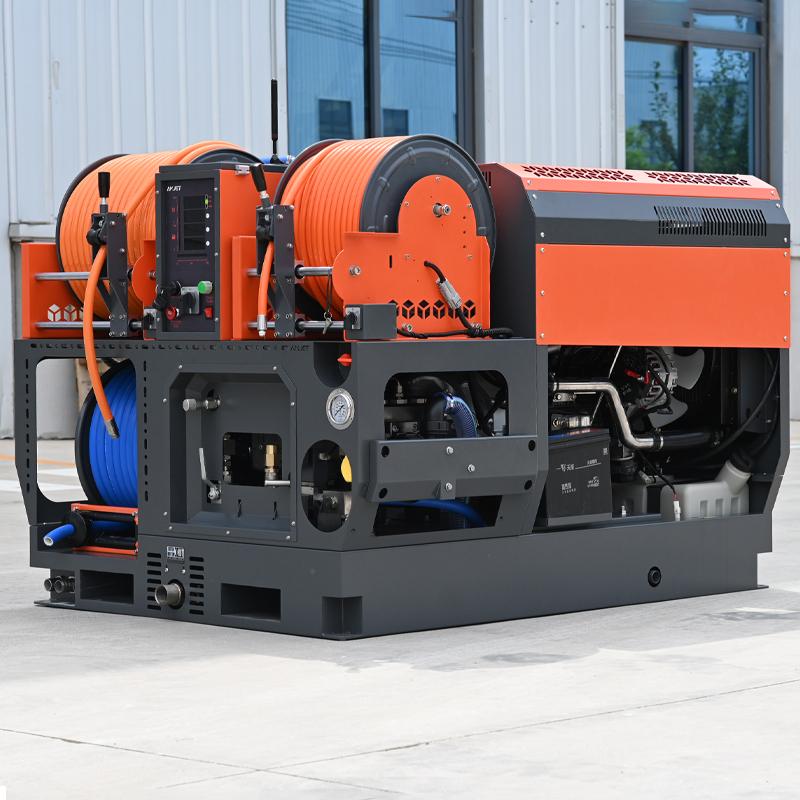
The moment you lift a bargain jetting machine out of its box, the compromises are already baked into the metal. Manufacturers of these cut-rate units often swap hardened steel for softer alloys that wear down after a few hundred cycles, and the seals—those tiny rubber rings that keep pressure where it belongs—start cracking within weeks. What looks like a steal on the invoice quickly becomes a lesson in thermal expansion, as cheap pumps lose their tolerance and start sputtering at the exact moment you need a steady, high-pressure stream.
Beyond the obvious material shortcuts, the hidden flaws live inside the machine's rhythm. A well-built jetting system holds a consistent pulse, but budget versions surge and lag, forcing you to compensate with slower passes and extra passes over the same clog. That inconsistency isn't just annoying—it translates into higher water consumption and longer downtime on every job. Add in the fact that replacement parts for these no-name models are often discontinued within a season, and you're left with a paperweight the second a nozzle wears out or a hose fitting strips.
Then there's the safety margin that quietly disappears. Cheaper jetting machines frequently skip the pressure relief valves and thermal overload switches that keep a professional unit from turning into a hazard. A hose burst on a premium machine is rare; on a budget model, it's a waiting game. The hidden cost isn't just repair bills—it's the risk of injury or property damage when a fitting lets go at 3,000 PSI. In the end, the real flaw isn't that these machines fail. It's that they fail in ways you won't see coming until you're standing in the water.
What Smart Buyers Ask Before Signing a Contract
Smart buyers treat the final contract review as a conversation, not a formality. They ask about the exact scope of work, payment milestones tied to verifiable deliverables, and what happens if either side misses a deadline. Instead of accepting vague phrases like "reasonable efforts," they push for specifics: Which dates are firm? Who approves changes in writing? How are disputes handled without automatically going to court?
They also dig into the fine print around termination and renewal. A sharp buyer will ask, "Under what conditions can I walk away without penalty?" and "Does this contract auto-renew, and how much notice do I need to give?" They look for hidden costs—like maintenance fees, licensing restrictions, or minimum purchase commitments buried in an appendix. The goal is to spot any clause that benefits only the seller.
Finally, smart buyers verify the promises made during sales conversations actually appear in the document. They ask for references from similar clients, check whether performance guarantees are measurable, and confirm who owns the work product or data after the project ends. If a vendor hesitates to put a verbal assurance in writing, that hesitation is a red flag worth investigating before any signature touches the page.
Why Most Factory Tours Mislead You
Step onto the polished concrete of a factory tour and you'll likely see gleaming machines, smiling workers in spotless uniforms, and a curated narrative of efficiency and innovation. What you rarely see is the duct tape holding a conveyor belt together, the corner where defective parts pile up before a shift change, or the supervisor quietly rerouting production to dodge a bottleneck. The tour is a performance, not a documentary. It's designed to make you feel good about the brand, not to show you how the sausage—figuratively or literally—gets made.
What makes these tours especially misleading is the illusion of transparency. A glass viewing window suggests openness, but it frames only what the company wants you to notice. The loudest machine drowns out the quieter one that's overdue for maintenance. Signs proudly declare lean manufacturing, yet nobody mentions the overtime spike last quarter. You leave with a sense of insider knowledge, but you've actually been handed a polished brochure in three dimensions.
The real story of a factory lives in its rhythms and frictions: the pace of the line, the expressions during a tool change, the way raw materials are stored when nobody's watching. Those details rarely survive the tour route. So next time you walk through, ask what isn't being shown. The answer will tell you more than any guided spiel.
The Real Cost of Cutting Corners on Nozzles
A bargain nozzle often looks identical to a quality one on the shelf, but the similarities vanish after the first few operating hours. Cheap alloys erode faster under pressure, spray patterns drift, and suddenly your coverage is uneven. That subtle inconsistency forces operators to compensate with longer passes or higher flow rates, quietly burning through water, chemicals, or fuel. The purchase price was low, but the real cost is metered out in wasted consumables every single shift.
Then there's the downtime nobody budgets for. When a nozzle fails mid-run, the line stops, a technician gets pulled from another task, and a replacement has to be sourced—often at premium rush pricing. Over a year, those unplanned interruptions dwarf what you saved by skipping the reputable supplier. Reliability isn't a spec on a datasheet; it's the absence of phone calls you never have to make.
Perhaps the steepest hidden expense is consistency across your operation. One underperforming nozzle can throw off an entire batch, whether it's coating thickness, spray drying, or flame control. Rework, rejected output, and customer complaints accumulate long after the invoice is forgotten. Spending a bit more upfront on nozzles built to hold their tolerances isn't an expense—it's a hedge against the quiet erosion of your margins.
How to Test a Machine Without Getting Soaked
Before you even think about turning the water on, grab a roll of paper towels and tuck a few sheets around every seam, gasket, and hose connection. Run the machine through a short cycle with no load—just enough to build pressure. If those towels stay bone dry, you're off to a good start. But don't trust a single pass; small leaks often only show up once the drum or tub shifts under load.
Swap the paper towels for a shallow pan or a length of butcher paper under the machine. Add a small amount of water manually, just below the normal fill line, and let it sit for ten minutes before starting the cycle. Watch the floor, not the machine. Water has a habit of traveling along seams and pooling far from the actual crack. Use a flashlight at a low angle—glossy wet spots will catch the light long before you'd feel them with your hand.
If you're dealing with a drain pump or a recirculating system, block the outlet briefly with your thumb or a rubber stopper while the machine runs. Release it quickly and listen. A healthy seal makes a sharp hiss or a clean gurgle, not a sputter that throws droplets. Keep your face back and wear safety glasses, because even a pinhole leak at full pressure can squirt farther than you think.
FAQ
Look at whether they pour their own pump bodies or at least run every unit through a loaded test cycle before crating. A factory that can show you a serial-numbered test report for pressure, flow, and temperature rise is usually serious about consistency. Also check if they stock replacement seals and valves for the exact models they sell, not just generic hardware.
Ask for a video of the machine running a calibrated nozzle and gauge setup, not just a marketing clip. Better yet, ask if they will let you witness a factory acceptance test remotely. If they hesitate or say the gauge is close enough, that's a signal. Real numbers are repeatable on the same pump, same engine, same hose length.
Municipal crews usually need sustained flow around 18 to 40 GPM at 2,500 to 4,000 PSI, with heavy-duty hose reels and debris recovery options. Residential contractors often do fine with 4 to 10 GPM at 2,000 to 3,000 PSI, especially if the unit can fit in a van or small trailer. Don't buy pressure alone; match the flow to the pipe diameter and the nozzle type you plan to use.
Watch how they handle hose crimping and pump alignment. Loose tolerances there cause early failures. Also ask about their incoming material checks: do they test raw steel, hydraulic fittings, and pump castings before assembly? A clean floor matters less than a calibration corner with dated instruments and clear pass/fail tags.
At minimum, you should get a wiring diagram, a hydraulic schematic, and a parts list with the exact supplier part numbers, not just internal codes. Expect someone who can walk you through troubleshooting by phone or video call without reading a script. If the factory has no service history or cannot name common wear items by memory, keep looking.
Usually yes, if the customization matches how your crews actually work. A slightly larger water tank can cut refill trips, and a hose reel mounted on the correct side can save minutes at every job. But avoid over-customizing to the point that spare parts become one-off. The best factories build custom layouts on proven base frames.
Get quotes for three years of wear parts: high-pressure hose, nozzles, pump seals, unloader valves, and filters. Add estimated fuel burn per operating hour at the listed flow and pressure. Then factor in typical downtime if a pump or engine needs replacement. A cheaper unit with long lead times for one critical seal can end up costing far more than a mid-priced machine with local parts support.
They avoid sharing a clear address with production line photos, they quote delivery in weeks rather than days after payment, or they cannot explain the difference between triplex and duplex pump designs for your application. Also be wary if every answer involves trust us instead of a procedure, drawing, or test result.
Conclusion
A smart buyer looking for a sewer cleaning jetting machine factory quickly learns that wasted budget rarely shows up on the invoice. The real leaks come from overlooked details—pumps that don't match the nozzle size, hose ratings that look fine in a brochure but collapse under heat, and pressure claims that only hold for a few seconds on a clean pipe. A factory that respects your money will walk you through the full pressure-flow curve and explain why certain nozzle inserts cost more, instead of steering you toward a shiny but fragile unit. Cheap jetting machines often hide their flaws in weld seams, seal materials, and the hardness of the nozzle tips. Those hidden flaws turn into frequent downtime, replacement parts you can't source locally, and operators who lose half a day fighting leaks. Before signing a contract, experienced buyers ask for a loaded test, the part replacement interval, and what happens when a seal fails in the middle of a job—not just about warranty length.
Factory tours can mislead because most demonstrations run at low pressure through straight, already-clean pipes, with you standing safely behind a line. You never see how the machine behaves in a real clogged line with backpressure and sharp bends. To test without getting soaked, ask for remote or extended lance controls, and watch how fast the pressure relief valve reacts when you deadhead the nozzle. If the valve slams or the hose jumps, that tells you more than any polished presentation. Cutting corners on nozzles is the quietest way to ruin a machine's reputation. A soft steel nozzle that wears out in weeks forces the pump to work harder, raising fuel consumption and causing uneven jet patterns that leave debris behind. The true cost shows up later, in repeat callbacks and a machine that loses resale value. A factory worth partnering with will openly discuss these weak points and offer a test rig that mimics field conditions—if they won't, keep looking.
Contact Us
Contact Person: Mike
Email: [email protected]
Tel/WhatsApp: +86 19545555505
Website: https://www.amjeting.com/