

Top NFC Solution for Effortless Contactless Transactions
2026-10-22
Most NFC payment systems claim to be seamless. Few actually survive a busy Saturday afternoon. OSRFID has built its reputation on the kind of effortless contactless transactions that hold up when it matters—fast, secure, and invisible to the customer. In this post, we break down the top solution that's quietly setting a new baseline.
Tap Your Phone and Leave the Wallet Behind
The first time I left my apartment without a wallet, I felt oddly naked. But after tapping my phone at the corner store for a coffee and then again on the bus, that anxiety faded fast. It turns out the tiny NFC chip inside your phone does all the heavy lifting—holding card details, transit passes, even loyalty stamps—without needing a physical card to swipe or insert.
What makes it stick is how ordinary it becomes. You unlock your phone, hold it near the reader, and the payment just happens. No digging through pockets, no fumbling with cash, no worrying about a lost card. Many phone payment apps also add a layer of security: a fingerprint or face scan is required, and your actual card number never gets shared with the merchant.
Some people still hesitate, assuming it's complicated to set up. But once you add your card to the phone's wallet app—usually a two-minute job—the habit forms quickly. You'll likely find yourself patting your pockets less and moving through checkout lines a little faster. The wallet isn't gone; it's just living in your phone now.
The Tiny Chip Already in Your Pocket That Replaces Cards
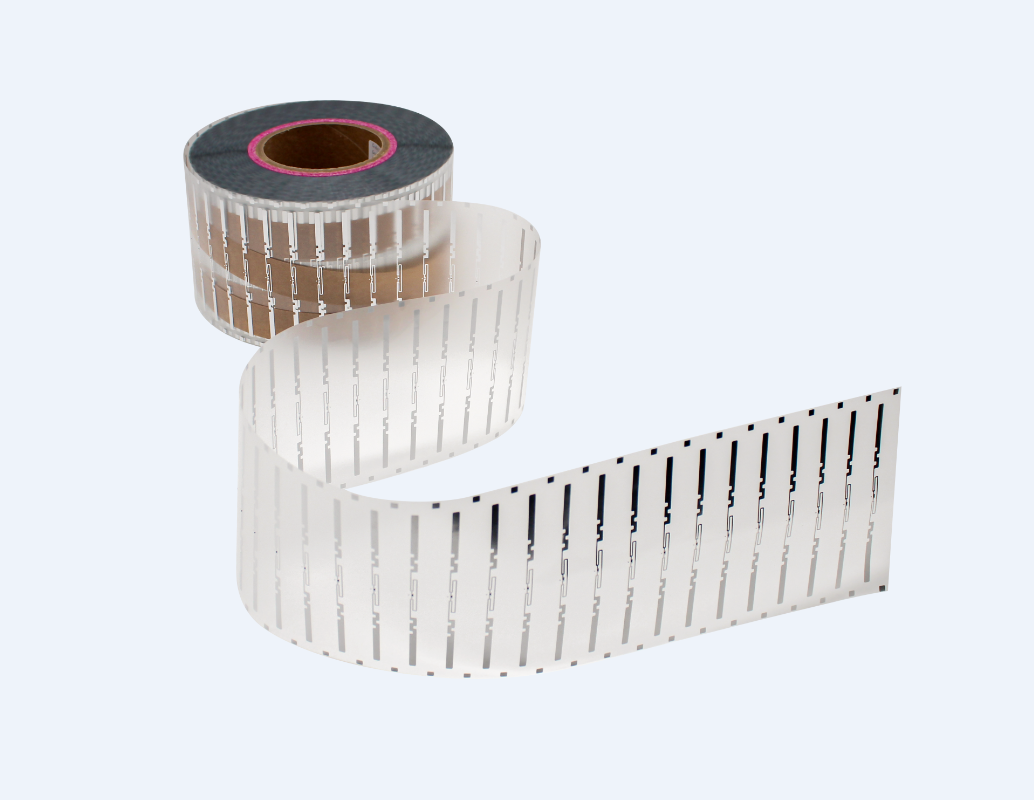
Most people carry a small piece of plastic in their wallet and never think twice about it—but that little chip embedded in your bank card or transit pass does far more than authenticate a single payment. The same contactless technology, often based on near-field communication (NFC), can turn a smartphone into a universal key for doors, a boarding pass for flights, a loyalty card for coffee shops, and even a secure ID for logging into buildings. Once you realize the tiny chip in your pocket can emulate virtually any card you own, the stack of plastic starts to feel obsolete.
The magic isn't in the chip itself, but in how it talks to readers. When you tap your phone against a terminal, the chip wakes up, exchanges encrypted data in milliseconds, and goes back to sleep—no battery drain, no pairing headaches. This frictionless handshake is why transit agencies, hotels, and event venues are rapidly adopting phone-based passes. Instead of fumbling for the right card, you simply hold your device near the sensor and move on. The chip doesn't care if it's pretending to be a metro card or a credit card; it just knows how to present the right digital credential at the right moment.
What makes this shift feel inevitable is the sheer convenience of consolidation. A single chip can store multiple virtual cards, from your gym membership to your office badge, and switch between them automatically based on location or time. No more digging through a wallet full of near-identical rectangles. As more places accept phone taps, the physical card becomes a backup rather than the primary tool—and eventually, just a nostalgic relic from a pre-tap era.
Offline Payments Keep Working When the Network Goes Down
Imagine you're on a train passing through a tunnel, or standing in a busy market where mobile signal drops to nothing. You tap your phone or card against the reader, expecting the usual "connection failed" message. Instead, the payment goes through. That's because offline payments don't rely on a live network check at the moment of purchase. Instead, both the payer's device and the merchant's terminal store enough encrypted data to verify the transaction locally. The payment is recorded, and once connectivity returns—minutes or hours later—the details are synced with the bank or payment processor.
The mechanics behind this are less about magic and more about careful token management. Before going offline, a user's payment app can hold a set of single-use tokens or a pre-authorized spending limit, stored securely in the device's hardware. When a transaction happens, the terminal and the device exchange a short digital handshake using NFC, Bluetooth, or even QR codes. Both sides check that the token hasn't been used before and that the amount falls within the allowed range. It's a bit like writing a check that the bank trusts you'll cover later, but with cryptography ensuring nobody can forge or replay it.
This capability matters far beyond convenience. In regions with patchy internet coverage, offline payments keep local economies moving—markets, buses, small shops can still accept digital money without waiting for a signal. It also helps during network outages caused by disasters or overload. Of course, there are trade-offs: merchants might face a slightly higher risk if a token turns out to be invalid, but spending caps and daily limits keep that risk manageable. Ultimately, offline payment isn't a replacement for connected transactions; it's a safety net that quietly fills the gaps where the network simply isn't there.
From Parking Meters to Pop-Up Shops NFC Fits Anywhere
The humble parking meter might seem like an unlikely starting point for a technology that now brightens pop-up shops and corner cafés, but that's exactly where NFC quietly proved its worth. Long before tap-to-pay became a phrase people tossed around, drivers were already waving cards and phones near those metal posts, trusting a tiny chip to handle the transaction. That same principle—simple, close-range, no fuss—turns out to be endlessly adaptable once you stop thinking of it as payment-only.
Walk through a weekend market or a temporary storefront and you'll spot small black-and-white squares or subtle logos stuck to tables and window glass. Tap your phone and a menu appears, a loyalty card updates, or a product story unfolds without a single QR-code scan. The beauty is in the frictionless moment: no app to download, no account to create, just a brief tap that feels almost instinctive. Pop-up vendors love it because setup takes minutes, not days, and there's no bulky hardware eating into their small footprint.
What makes NFC different from the usual marketing gimmicks is how easily it hides in plain sight. A sticker on a tip jar, a card tucked into a shelf talker, even a wristband at a festival—each one can carry a different purpose depending on who taps and when. The technology doesn't demand attention; it simply waits for a curious hand. And in a world where people are tired of typing URLs or scanning codes that lead nowhere, that quiet reliability is exactly why NFC keeps finding new corners to fit into.
Why People Trust Contactless More Than Swiping a Card
A big part of the trust shift comes down to control. With a contactless tap, your card never leaves your hand, and it never touches a reader that could have been tampered with. Swiping or inserting a card always felt a little more vulnerable because the machine had to read a magnetic stripe or chip that could be skimmed or copied. Contactless payments rely on short-range encryption and a one-time code for each transaction, so even if someone intercepted the signal, there’s nothing useful to reuse.
There’s also a psychological layer. Tapping feels like a deliberate, contained action rather than handing over personal information. People have become used to unlocking phones with a face or fingerprint and then tapping, which adds a sense of layered security. Swiping a card, on the other hand, has always carried a vague feeling that the card could be cloned or the terminal might not be trustworthy. Contactless removes that lingering doubt by keeping the interaction quick and physically minimal.
The everyday experience reinforces the trust. Contactless rarely fails, whereas swiping often triggers errors, forcing you to repeat the motion or wipe the stripe. Each failure plants a small seed of doubt. Over time, the smoother and more predictable tap has built a reputation for being not just convenient but safer. That reputation may not be fully rational, but trust usually isn’t.
No Battery No Problem How Passive Tags Stay Alive
Passive tags pull off a neat trick: they borrow just enough energy from the reader's incoming radio signal to wake up, think for a microsecond, and send back a reply. That tiny burst of harvested power gets stored in a capacitor, not a battery, so there's nothing to leak, swell, or die after a few years. The chip runs on microwatts, which is why the whole exchange can happen before the radio wave even finishes passing by.
Instead of generating its own signal, the tag reflects the reader's carrier wave back using backscatter. It switches its antenna impedance to make tiny changes in the reflection, and those changes encode the data. This means all the heavy lifting happens on the reader side, while the tag itself just modulates what's already bouncing off it. No transmitter, no power source of its own, no moving parts.
FAQ
It strips away the usual steps, no swiping, no inserting a chip, no fumbling for exact change. A tap that lasts less than a second completes the payment, and because the phone or card stays in the customer's hand, the whole interaction feels more secure and personal.
Yes, when implemented properly. Modern NFC payments combine short-range communication, typically under 4 cm, with dynamic encryption and tokenization, so the actual card number never gets transmitted. Each transaction uses a one-time code, which makes intercepted data useless to fraudsters.
Beyond basic tap-to-pay support, you want a provider that offers fast settlement times, compatibility with major wallets like Apple Pay and Google Pay, and robust offline fallback. Also check if the terminal supports both contactless cards and mobile devices, because your customers will use a mix.
It depends on the model, but many modern terminals from the last five years can receive a software update or an add-on NFC reader. If your terminal is a legacy magnetic stripe-only unit, replacement is usually cheaper than retrofitting, especially when you factor in maintenance and certification.
NFC is faster and more secure for in-person payments because it uses encrypted two-way communication, while QR codes usually require the customer to unlock their phone, open an app, and scan. However, QR codes can work on any smartphone without special hardware, so they are stronger in markets with lower terminal penetration.
A well-optimized NFC transaction completes in 300 to 500 milliseconds from tap to approval. If you are seeing delays beyond one second, the problem is usually the point-of-sale software or network latency, not the NFC hardware itself.
Often yes. You will need to consider transaction fees, terminal purchase or lease, PCI compliance costs, and possibly staff training. Some providers bundle these into a monthly subscription, while others charge per transaction, so ask for a full fee schedule before signing.
Conclusion
Leaving your wallet at home no longer feels like a risk. With a tap of your phone, that tiny NFC chip already tucked inside your pocket steps in for every card you used to carry. It is not just about speed at the register; it is about cutting the clutter and moving through your day without fumbling for plastic. Whether you are paying a parking meter on a quiet side street or grabbing something at a weekend pop-up shop, the same effortless motion works anywhere the little wave symbol appears. No pairing, no app opening, just hold and go. It feels like a small upgrade at first, but it quickly becomes the default.
What surprises people most is how resilient this setup is. When the network drops, offline payments keep humming along because the secure handshake happens between your device and the terminal, not some distant server. That reliability builds real trust with time, many now prefer a quick tap over swiping a card that skims or jams. And the passive tags that make all this possible need no battery at all; they pull just enough energy from the reader's field to wake up, verify the transaction, and go back to sleep. There is no fragile battery to replace or charge, which means the tags stay alive for years without anyone noticing. It is simple, sturdy, and quietly changing how we pay.
Contact Us
Contact Person: Esme Mo
Email: [email protected]
Tel/WhatsApp: 0086 191 2931 7837
Website: https://www.osrfidglobal.com/