

Toilet Trailer Solutions for Comfortable and Clean Portable Restrooms
2026-11-02
When you're planning an outdoor event or managing a remote job site, the last thing you want to worry about is whether the restroom situation will send guests or workers running. Standard porta-potties often come with a list of complaints—cramped, smelly, and far from comfortable. That's where toilet trailer solutions step in, offering a level of comfort and cleanliness that feels more like a boutique hotel bathroom than a temporary facility. At Oriental Shimao, we've seen how the right portable restroom can transform the entire experience, and this guide will walk you through what to look for—and why it matters more than you might think.
What “Comfortable” Actually Means in a Portable Restroom
Real comfort in a portable restroom often has less to do with luxury and more with basics that don’t fight you. A door that closes without a wrestling match, a latch that doesn’t require a coin or a prayer, and enough floor space to turn around without pressing your shoulder into a wet wall. When these small things fail, every other amenity stops mattering.
Airflow and light shift the experience more than most people expect. A unit with a screened vent or small translucent panel feels less like a sealed box. If the air stays fresh enough that you’re not breathing the previous user’s decisions, and there’s a stable place for your phone or keys that isn’t the floor, the space starts to feel less disposable.
Ultimately comfort is about not having to plan ahead or hold your breath. Soap that actually dispenses, paper that hasn’t been damp all afternoon, and a floor that doesn’t slope toward the waste tank turn a dreaded necessity into a quick, forgettable stop. That forgettability is the real benchmark.
The Cleaning Routine That Keeps a Toilet Trailer Odor-Free for Days
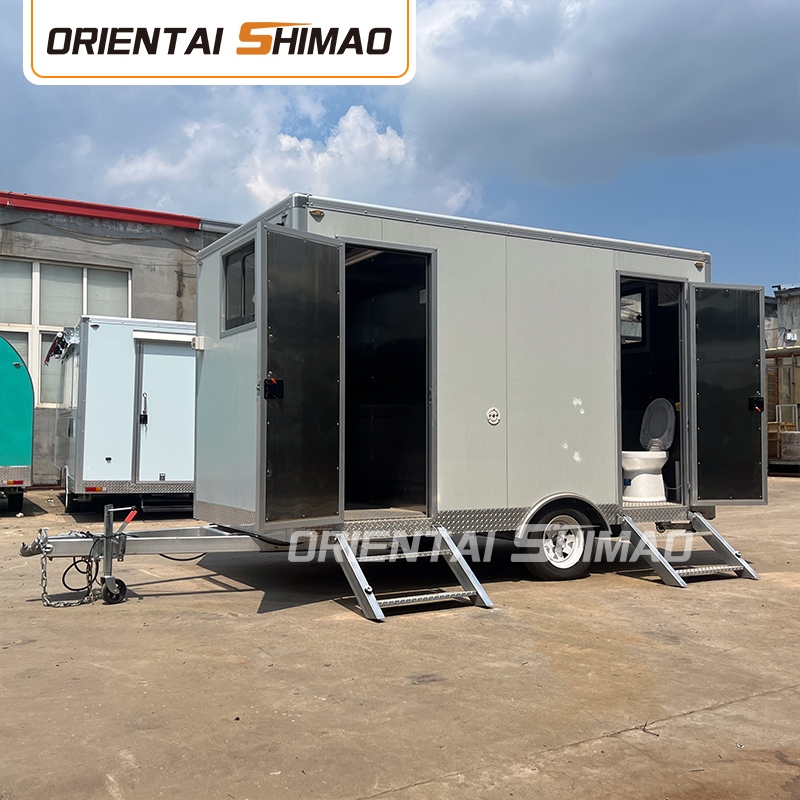
Most toilet trailer odors don't come from the holding tank alone—they build up in the corners, the vent screens, and the tiny gaps around the door seal. I start every deep clean by emptying the waste tank completely, then flushing it twice with a mix of hot water and an enzyme-based digester, not just plain chemical deodorizer. Let that sit for twenty minutes while you scrub the interior surfaces with a soft-bristle brush and a citrus-based cleaner. Skip bleach here; it kills the good bacteria that actually eat odor-causing waste.
After rinsing, dry every surface with a microfiber cloth until no moisture remains. Then I place a small container of activated charcoal near the floor and leave the roof vent cracked just enough for airflow without letting rain in. For the final touch, wipe down the toilet seat and door handle with a diluted white vinegar solution. This routine keeps the trailer smelling neutral for four to five days, even with regular use.
Why the Cheapest Option Often Leads to the Longest Lines
When a price tag drops low enough, it stops being just a bargain and becomes a signal flare. Dozens of people who might have ignored a mid-range option suddenly see the same opportunity. The result is predictable: a crowd gathers where the deal is sharpest. That line outside the discount grocery or budget carrier isn't a mystery; it's arithmetic.
What most shoppers miss is that their time has a cost. Waiting forty minutes to save three dollars works out to less than minimum wage for your own patience. Yet the sunk-cost pull of "I came all this way" keeps people standing in place, even as the line crawls. The cheap choice often stops being cheap the moment you factor in the hour you'll never get back.
There is also a quieter form of sorting going on. People with flexible schedules or lower hourly earnings can afford to wait. People whose time is already stretched will skip the line and pay more. So the longest line doesn't just reveal a good price; it reveals who can afford to stand in it. That's why the cheapest option, in practice, often costs a different currency than money.
Inside a High-End Restroom Trailer: Features That Surprise First-Timers
Walk into a high-end restroom trailer for the first time and the lighting hits you before anything else. Instead of a bare bulb or buzzing fluorescent tube, you get dimmable sconces, a backlit mirror, and a soft glow under the counter. It feels less like a temporary stop and more like a carefully designed washroom in a fine restaurant.
The plumbing is the next quiet shock. Hot water arrives within seconds, the faucet has actual pressure, and the basin is deep enough to keep water off your clothes. Flush handles or foot pedals work with a solid, mechanical feel—no hesitation, no chemical smell overpowering the space. Climate control keeps the interior comfortable whether it is ninety degrees or forty outside.
What often seals the impression, though, are the small details. Countertops are sealed stone or heavy-duty solid surface that doesn't flex when you lean on it. Coat hooks are mounted at a useful height, the paper towel dispenser isn't empty, and the floor stays dry underfoot. First-timers typically pause at the door, glance back, and ask who built it.
How to Match a Trailer to Your Guest Count Without Overpaying
A lot of people start by looking at the number on the trailer's spec sheet and assume that's the guest count it can handle. That figure usually assumes a steady, evenly spaced line and basic use—not the reality of an event. When you actually watch guests, they tend to arrive in bursts: right after the ceremony, as soon as the band takes a break, or once the bar line shortens. So instead of renting for your total headcount, estimate how many people will need the trailer during the busiest 15 to 20 minutes. For most gatherings, that peak is roughly 15 to 20 percent of the total guests. Matching that smaller number often lets you drop down a size or two without anyone waiting long.
The type of event changes the math more than the guest count alone. A three-hour backyard birthday with kids running around needs far less capacity than a six-hour wedding reception with an open bar. Alcohol, hot weather, and long durations all push up restroom visits. A good working ratio for a short, casual event is one toilet or stall per 50 guests. Add drinking and a longer timeline, and you'll want one per 30. For an all-day festival or a meal-heavy event, one per 20 keeps lines moving. If your event stretches past four hours, ask about mid-event servicing—pumping and restocking can let a smaller trailer handle a larger crowd without paying for extra stalls you only need for the first hour.
Don't pay for features that sound nice but won't change the wait time. Climate control is useful for a July afternoon or a chilly evening, but for a mild fall event, skip it. Fancy finishes, Bluetooth speakers, and marble-style counters are often where rental costs climb without helping more guests get through faster. If the goal is avoiding lines and overspending, focus on the number of private stalls first. Sometimes two basic trailers placed at opposite ends of the venue beat one premium trailer with a lounge area, because guests don't have to walk as far and the peak crowd splits. The real trick is to buy capacity for your busiest moment, not your total invite list.
From Construction Site to Wedding Venue: One Trailer, Zero Complaints
The same trailer that hauled rebar and plywood on a Tuesday morning was parked beside a white tent and string lights by Friday evening. No one at the wedding knew it had spent years covered in drywall dust. It just looked like a stylish little bar with a folded-down side panel and two coolers tucked inside.
That's the trick most people miss: a well-built trailer doesn't care what job you give it. This one has a galvanized frame, a sealed floor, and a roof that doesn't leak after a hundred highway miles. You can hose it out after a muddy site visit, then lay down a runner rug and call it a lounge.
The zero complaints part isn't marketing talk. It's what happens when you stop bolting on plastic trim and start using real hinges, real latches, and a suspension that doesn't rattle every bottle off the shelf. One owner, one trailer, two completely different lives. Nobody asked for a refund.
FAQ
A toilet trailer feels more like a real restroom. You get flushing toilets, running water, proper sinks, mirrors, and often climate control. Standard portable toilets are basically a plastic box with a holding tank. Trailers add comfort and a sense of privacy, which matters a lot at weddings or corporate events.
It depends on the size and how long your event runs. A two-station trailer might handle around 150 to 200 guests for a six-hour event. Larger units with separate men's and women's sides can go higher. Always check the waste tank capacity; most rentals include a service visit if you're running a multi-day event.
Most do. They need a standard 110-volt outlet for lights, fans, and the water pump. A garden hose connection supplies fresh water for flushing and handwashing. Some luxury models have onboard water tanks and generators, but those cost more. Always confirm hookup requirements before the unit arrives.
You can make it work with a generator and a water delivery. Many rental companies offer off-grid packages that include a generator and a freshwater tank refill. Just keep in mind that the waste tank still needs to be pumped out, so the site should be accessible for a service truck.
Pick a rental company that includes an attendant or at least a mid-event restock. If that's not in your budget, assign someone to check the supplies every couple of hours. Make sure the hand soap, paper towels, and toilet paper are full. A quick wipe down of counters and floors between uses keeps it feeling fresh.
For 120 guests at a wedding, a two or three-station unit is usually enough. Since weddings often have peak usage right after the ceremony and during the reception, a three-station trailer prevents long lines. If you're serving alcohol and have a longer event, lean toward more stations.
Yes, many are insulated and have built-in heaters. The water lines and tanks are often protected against freezing. If you're hosting an outdoor winter event, ask the rental company to confirm the unit is winterized. You may also need to provide a heated source for the water hose if it's long.
Look at the age and condition of their trailers. Ask about cleaning protocols, what they include in the price, and how they handle emergencies. A company that can provide references or show photos of the actual unit is a good sign. Also check if delivery, setup, and pickup are included or added as separate fees.
Conclusion
Comfort in a portable restroom goes far beyond a flushing toilet. A truly comfortable trailer offers climate control, real sinks with running water, hands-free fixtures, and enough elbow room to move without bumping into walls. High-end units often surprise first-timers with wood-style vinyl flooring, LED lighting, quality sound systems, and even decorative touches like wainscoting. But all of that means little without a rigorous cleaning routine. Keeping a trailer odor-free for days isn't about masking smells with cheap air fresheners; it's about using enzyme-based treatments that break down waste at the source, wiping down every surface daily, and managing tank levels before they reach the danger zone. Ventilation fans and sealed waste systems also play a key role in preventing that telltale portable-restroom smell.
Price shouldn't be the only factor when renting a toilet trailer. The cheapest option often backfires, forcing guests into long lines and creating a negative impression that lingers longer than any odor. Instead, match the trailer's capacity to your actual guest count and event duration; a good rule of thumb is one toilet per 50 people for a four-hour event, with additional units for longer gatherings or heavy food and drink service. A single well-maintained trailer can shift from a dusty construction site to an elegant wedding venue without a single complaint, provided it's stocked with soap, paper products, and hand sanitizer. The goal isn't just a place to go, but a restroom experience that feels clean, comfortable, and thoughtfully provided—regardless of the setting.
Contact Us
Contact Person: Jack Wang
Email: [email protected]
Tel/WhatsApp: 8618306483516
Website: https://www.orientalshimaofoodtruck.com