
Single Shaft Shredders: Top Recommendations for Your Waste Processing Needs
2026-04-14
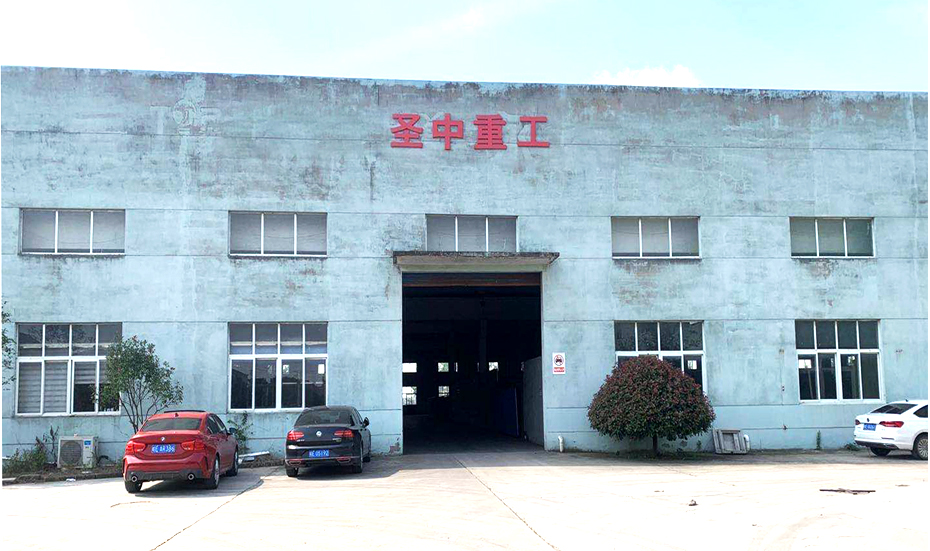
In the world of waste processing, efficiency and reliability are paramount. Single shaft shredders have emerged as essential tools for businesses looking to enhance their recycling and disposal capabilities. Whether you're handling plastics, wood, or other materials, choosing the right shredder can significantly impact your operations. Today, we’re excited to dive into top recommendations that can transform your waste management strategy. At the forefront of innovation is Shengzhong Shredder, known for its robust designs and cutting-edge solutions. This guide will explore key features and practical insights to help you make an informed decision. Get ready to discover how the right equipment can streamline your processes and boost productivity!
Discover the Power of Single Shaft Shredders in Modern Recycling
Ever wondered how recycling plants handle those bulky, tough materials that seem impossible to break down? That's where single shaft shredders step in. These robust machines feature a powerful rotating shaft with blades that grab and tear apart items like plastic containers, electronic waste, and wood scraps. What makes them stand out is their ability to tackle irregular shapes and sizes, making them a go-to solution in today's fast-paced recycling operations. Whether it's reducing volume for transport or preparing materials for further processing, single shaft shredders are the unsung heroes in the background.
Unlike multi-shaft systems that might get jammed with tangled wires or flexible plastics, single shaft shredders offer a more straightforward, reliable approach. Their design allows for consistent performance even with mixed waste streams, which is common in municipal and industrial settings. Operators appreciate the low maintenance and durability, as fewer moving parts mean less wear and tear over time. Plus, with customizable blade configurations, facilities can fine-tune these shredders to handle specific materials, from soft rubber to hard metals, enhancing overall efficiency.
In modern recycling, every second counts, and single shaft shredders deliver the power needed to keep operations flowing smoothly. They're not just about brute force; advanced models incorporate technologies like overload protection and automatic reversing to prevent downtime. This adaptability makes them ideal for diverse applications, from small-scale workshops to large recycling centers aiming to boost sustainability. By investing in these shredders, businesses can process more waste effectively, reduce landfill contributions, and support a circular economy—all while staying ahead in an increasingly competitive industry.
Key Features to Look for When Choosing a Single Shaft Shredder
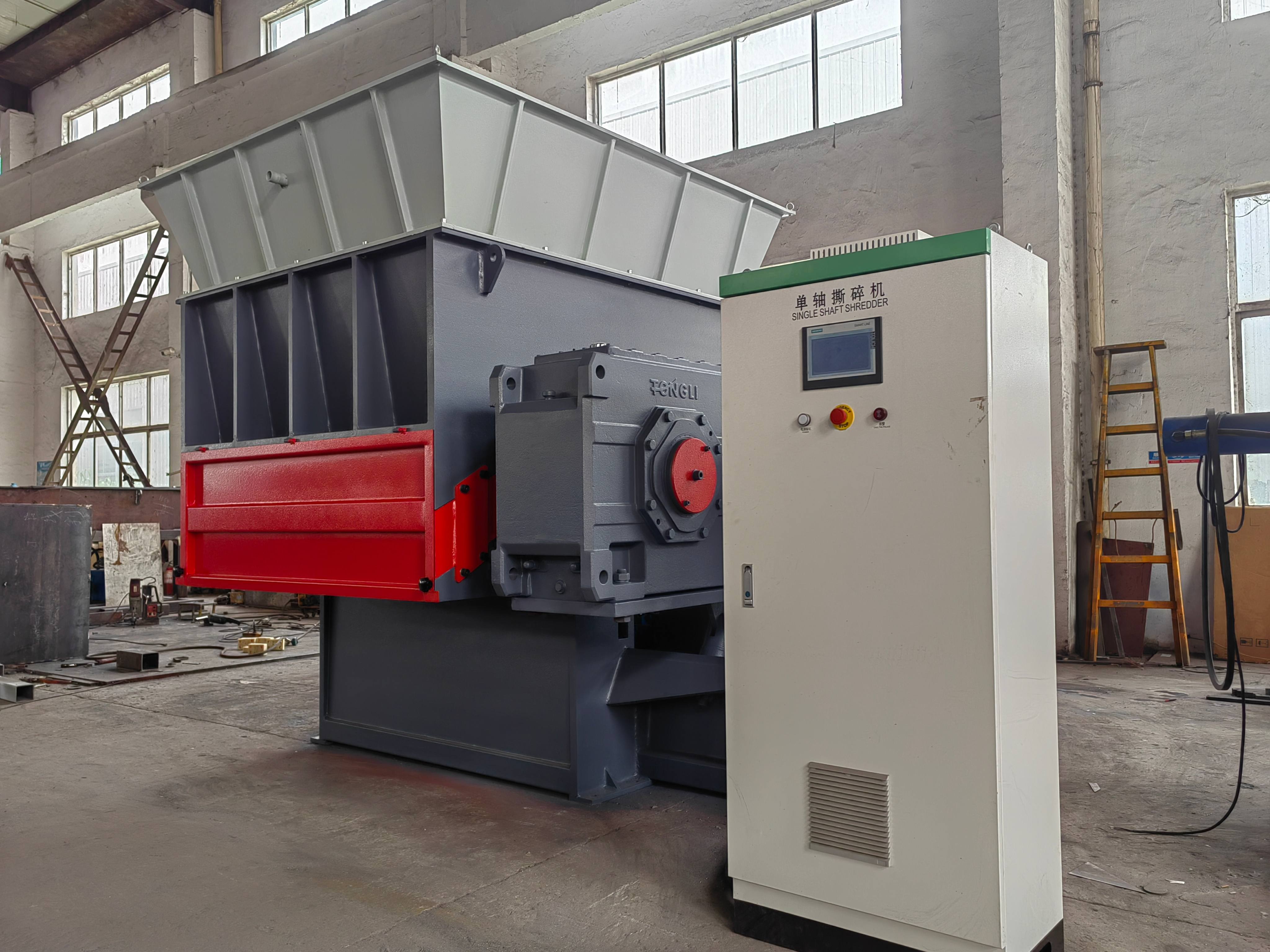
When selecting a single shaft shredder, it's essential to evaluate its cutting mechanism and motor power to ensure efficient processing of various materials. A robust shredder often features hardened alloy steel blades that resist wear and tear, while a high-torque motor can handle tough plastics or rubber without jamming, making operations smoother and more reliable in demanding industrial settings.
Durability stands out as another critical aspect, with many models offering features like overload protection and heavy-duty construction to prevent breakdowns. Opting for a shredder with easy maintenance access and corrosion-resistant components can significantly reduce downtime and extend the machine's lifespan, providing better long-term value for your investment.
Don't overlook the importance of customization options, such as adjustable screen sizes and variable speed controls, which allow for precise output grading. This flexibility means you can adapt the shredder to different applications, from recycling plastic bottles to processing wood waste, enhancing overall versatility and productivity in diverse workflows.
Top Applications of Single Shaft Shredders Across Various Industries
Single shaft shredders have carved out a critical role in waste management, offering robust solutions for reducing bulky materials into smaller, manageable pieces. In the plastics industry, these machines are indispensable for recycling PET bottles and other plastic waste, enabling efficient processing before further sorting or pelletizing. Their versatility extends to wood processing, where they handle pallets, offcuts, and demolition lumber, turning waste into valuable biomass fuel or raw material for particleboard. This adaptability has made single shaft shredders a go-to choice for facilities needing to streamline operations and minimize disposal costs.
Beyond traditional sectors, single shaft shredders are making waves in niche applications, such as electronic waste recycling, where they safely shred circuit boards and components to recover precious metals. In the automotive industry, they process tires and interior materials, supporting sustainability efforts by converting scrap into reusable resources. Their ability to handle diverse input materials, from rubber to textiles, underscores their utility in customized industrial setups. This broad applicability has led to increased adoption in specialized fields, driving innovation in waste reduction and resource recovery.
The ongoing evolution of single shaft shredders continues to expand their reach, with newer models incorporating features like automated feeding and enhanced safety mechanisms. Industries ranging from agriculture, where they process crop residues, to manufacturing, for shredding defective products, benefit from their reliable performance. By offering tailored solutions that meet specific operational demands, these shredders help businesses achieve greener practices and operational efficiency, solidifying their status as a versatile and essential tool across various markets.
Efficiency and Performance: How Single Shaft Shredders Handle Tough Materials
Single shaft shredders excel at processing tough materials through a combination of robust engineering and innovative design. Unlike basic shredders that might struggle, these machines feature a high-torque, single shaft mechanism that applies consistent, powerful force, enabling them to tear through items like plastics, rubber, wood, and even electronic waste with ease. This durability translates into reduced downtime and maintenance costs, making them a cost-effective solution for industries dealing with challenging materials. Their ability to handle such loads efficiently is a key factor in their growing popularity across various sectors.
Another aspect of their performance lies in the customizable cutting systems. Users can tailor the shredding process by adjusting rotor speeds, blade configurations, and screen sizes, allowing for precise control over output particle size. This adaptability ensures that single shaft shredders can meet specific requirements, whether it's for recycling, waste reduction, or material preparation. Such flexibility not only enhances productivity but also minimizes energy consumption, as the machine operates optimally without overworking the components, further boosting overall efficiency.
The real-world impact is evident in applications like automotive recycling or manufacturing, where single shaft shredders process steel-reinforced tires or metal scraps without faltering. Recent advancements have introduced features like automatic overload protection and quieter operation, addressing common pain points in industrial settings. By focusing on these practical enhancements, manufacturers are pushing the boundaries of what these shredders can achieve, delivering machines that not only handle tough materials but also do so with remarkable speed and reliability.
Safety and Maintenance Tips for Optimal Shredder Operation
Ensuring the safe use of your shredder is not just about avoiding mishaps—it’s about creating a seamless workflow where the machine performs reliably day after day. Always unplug the device before attempting any cleaning or maintenance to prevent accidental startups, which can pose serious hazards. Keep the shredder in a well-ventilated area to minimize overheating risks, and never force in more paper than the manual recommends; overloading doesn’t just cause jams, it puts undue strain on the motor, shortening its lifespan. For added safety, avoid wearing loose clothing or jewelry that might get caught while feeding documents.
Routine maintenance goes a long way in keeping your shredder running smoothly and efficiently. Regularly oil the cutting blades according to the manufacturer’s guidelines—typically after every 30 minutes of use or when the unit starts sounding strained. This simple step not only extends the life of the machine but also ensures consistent performance, preventing frustrating paper jams that can disrupt your work. Don’t forget to empty the waste bin often; a full bin can lead to overheating and might cause the shredder to auto-shutoff, leaving you with half-shredded documents.
To get the most out of your shredder, pay attention to its environment and usage patterns. Place it on a stable, level surface to reduce vibrations that could affect internal components. If you notice the shredder struggling or making unusual noises, power it down immediately and check for obstructions—ignoring these signs can lead to costly repairs. For optimal operation, consider investing in a model with features like auto-reverse to clear jams or a cooling-down period to prevent burnout, making your shredding tasks more efficient and stress-free.
Innovative Technologies Enhancing Single Shaft Shredder Capabilities
Innovative technologies have revolutionized single shaft shredders, making them more efficient and versatile than ever. For instance, advanced cutting geometries with custom-engineered blades now allow these machines to handle a wider range of materials, from plastics and wood to tougher metals, reducing downtime and maintenance costs. These enhancements not only boost throughput but also improve the consistency of shredded output, which is crucial for recycling and waste management processes where uniformity matters for downstream operations.
Moreover, the integration of smart sensors and IoT connectivity has transformed how these shredders operate. Real-time monitoring systems can track performance metrics like torque, temperature, and material feed rates, enabling predictive maintenance to prevent breakdowns before they occur. This technology empowers operators to optimize settings on the fly, adapting to different material types without manual adjustments, thereby increasing overall productivity and reducing energy consumption in industrial settings.
Looking ahead, emerging innovations such as AI-driven automation and adaptive control systems are set to further elevate single shaft shredder capabilities. By learning from operational data, these systems can automatically adjust shredding parameters for optimal efficiency, ensuring consistent results even with variable input materials. This not only enhances reliability but also supports sustainability efforts by minimizing waste and maximizing resource recovery, positioning these shredders as key players in modern circular economies.
FAQ
Single shaft shredders excel in handling bulky and heterogeneous materials, offering robust torque and low speed operation that reduces noise and wear, making them ideal for continuous, high-volume processing with minimal maintenance.
While dual shaft shredders often provide faster throughput for uniform materials, single shaft models are generally more cost-effective and better suited for tough, irregular waste, offering greater reliability and lower energy consumption in challenging applications.
They're perfect for processing bulky waste like pallets, tires, and industrial scrap, as well as for size reduction in recycling lines, thanks to their ability to handle large, dense items without jamming.
Prioritize models with automatic reversal systems to prevent blockages, emergency stop buttons, and robust guarding to protect operators, ensuring compliance with industry standards and reducing downtime risks.
The rotor, often with welded or bolted cutting discs, determines shredding efficiency; a heavy-duty design with replaceable blades enhances longevity and adapts to various materials, optimizing output over time.
Regularly inspect and sharpen blades, lubricate bearings as recommended, and clear debris from the chamber to prevent wear, with scheduled downtime for checks helping avoid costly repairs and extending machine life.
Yes, by reducing waste volume for transport and preparing materials for recycling, they cut landfill use and carbon emissions, supporting sustainable operations and potential material recovery in processing plants.
Assess your material type, volume, and desired output size; consult manufacturers for tailored recommendations based on throughput tests, ensuring the machine matches your operational needs without over- or under-sizing.
Conclusion
Single shaft shredders stand out as a reliable choice for modern waste processing, offering a powerful solution in recycling environments. Their ability to handle diverse materials efficiently makes them a top recommendation, especially when considering the need to balance performance and durability. Key features such as robust construction and customizable blades enhance their versatility across various applications, from industrial plastics to organic waste, ensuring they meet specific operational demands.
Incorporating advanced technologies, these machines not only boost efficiency in tough material handling but also prioritize safety with features like automatic shut-off systems and easy maintenance protocols. By integrating innovative designs, single shaft shredders provide a sustainable edge in waste management, helping industries optimize their processes while minimizing downtime and operational costs.
Contact Us
Contact Person: Leon
Email: [email protected]
Tel/WhatsApp: 8615385558866
Website: https://www.shred-waste.com