

SF6 Gas Circuit Breaker Manufacturer: Key Innovations and Industry Leaders
2026-01-06
In the evolving landscape of power distribution and protection, SF6 gas circuit breakers stand as a cornerstone of modern electrical infrastructure. As technology advances, manufacturers are driving key innovations in efficiency, safety, and reliability. Among these industry leaders, Lugao has emerged as a pioneering force. With a commitment to cutting-edge solutions, Lugao is reshaping how we think about circuit breaker performance and sustainability. This blog delves into the latest breakthroughs and the companies at the forefront of this dynamic field—offering insights into what makes these innovations not just groundbreaking but essential for our energy future. Stay tuned to discover how these advancements are powering a more resilient grid.
Major Technological Breakthroughs in SF6 Gas Circuit Breakers
One of the most significant leaps forward in SF6 gas circuit breakers has been the refinement of arc quenching mechanisms. Unlike earlier models that relied heavily on mechanical force to extinguish arcs, modern designs incorporate advanced gas flow dynamics and materials, such as ceramic nozzles and optimized baffle systems. These innovations allow for more efficient cooling and interruption of high-current arcs, dramatically enhancing reliability in high-voltage applications. For instance, recent iterations have achieved interruption capacities exceeding 80 kA, making them indispensable for grid stability in renewable energy integration zones.
Another breakthrough lies in the integration of smart sensing and diagnostic technologies. Embedded sensors now monitor gas pressure, temperature, and contact wear in real-time, feeding data to predictive maintenance algorithms. This not only prevents unexpected failures but also extends the operational lifespan of circuit breakers, reducing maintenance costs by up to 30% in some installations. Case studies from industrial facilities in Europe highlight how this proactive approach has minimized downtime during critical operations, setting a new benchmark for operational efficiency.
Environmental considerations have also driven innovations, particularly in reducing SF6 emissions. New sealing technologies and gas handling protocols have cut leakage rates significantly, addressing global warming potential concerns. Additionally, research into alternative gases and hybrid systems is progressing, with some prototypes demonstrating comparable performance while lowering environmental impact. These developments reflect a broader industry shift toward sustainability without compromising the high interrupting capabilities that SF6 circuits are known for.
Top Global Manufacturers and Their Market Impact
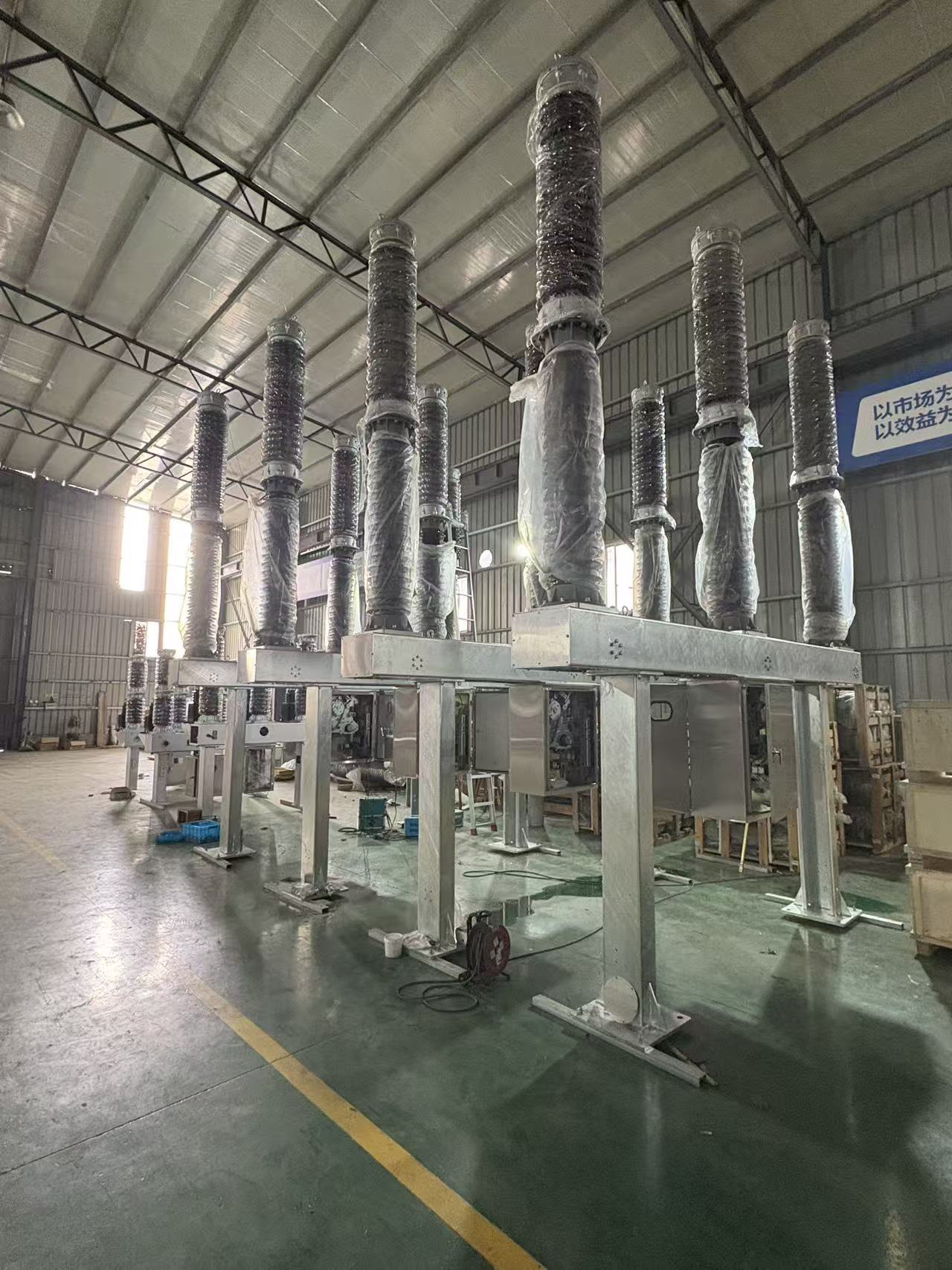
In the realm of global commerce, leading manufacturers not only dominate production but also shape entire industries through innovation and strategic influence. Companies like Toyota, Samsung, and Apple exemplify how cutting-edge technology and efficient supply chains can drive market trends, setting benchmarks in automotive, electronics, and consumer goods sectors. Their widespread operations often dictate competitive standards, pushing smaller players to adapt or risk obsolescence, thereby creating a ripple effect across global economic landscapes.
Beyond mere output, these giants wield significant market power by leveraging brand loyalty and extensive distribution networks. For instance, Tesla's focus on electric vehicles has accelerated the automotive industry's shift toward sustainability, while Nestlé's global reach influences food safety norms and consumer preferences worldwide. Such manufacturers frequently engage in research and development investments that spur technological advancements, affecting related sectors from raw material suppliers to retail markets, and sometimes even prompting regulatory changes.
Moreover, the impact of top manufacturers extends to geopolitical dynamics and labor markets, as their decisions on factory locations and partnerships can sway trade policies and employment rates in various regions. By fostering ecosystems of suppliers and innovators, they cultivate economic hubs that attract talent and investment, illustrating how manufacturing prowess transcends production lines to become a cornerstone of global economic resilience and transformation.
Innovations in Safety and Reliability for Modern Grids
As power grids evolve to meet 21st-century demands, a wave of innovations is reshaping how we think about safety and reliability. Unlike the static designs of the past, modern grids are becoming smarter and more resilient through real-time monitoring and predictive analytics. For instance, sensors and IoT devices now collect vast amounts of data on equipment health and grid performance, allowing operators to spot potential failures before they lead to outages. This proactive approach not only minimizes downtime but also prevents hazards like electrical fires or equipment damage, keeping communities safer and power flowing smoothly even during peak usage or adverse weather conditions.
Another groundbreaking development is the integration of renewable energy sources with advanced grid management tools. Traditionally, the intermittent nature of solar and wind power posed reliability challenges, but innovations like energy storage systems and microgrid controllers are turning this into a strength. By balancing supply and demand dynamically, these technologies reduce the risk of blackouts and enhance grid stability. Moreover, they enable localized power generation, which can isolate faults and maintain service in areas affected by disruptions, thereby boosting overall resilience against both natural disasters and cyber threats.
Looking ahead, the shift towards digitalization and AI-driven solutions is set to further transform grid safety and reliability. Machine learning algorithms can analyze historical and real-time data to optimize grid operations, from managing load distributions to automating maintenance schedules. This not only cuts costs and improves efficiency but also humanizes the grid by empowering operators with clearer insights. As these innovations become more widespread, they're paving the way for a future where power systems are not just robust and dependable but also adaptable to the ever-changing energy landscape.
Sustainability and Environmental Advancements in SF6 Equipment
SF6 (sulfur hexafluoride) equipment has long been a cornerstone in electrical power systems due to its excellent insulating and arc-quenching properties. However, the environmental impact of SF6, a potent greenhouse gas with a global warming potential thousands of times greater than CO2, has spurred significant advancements aimed at sustainability. Innovations in this field focus on reducing SF6 usage through improved designs, such as compact switchgear that minimizes gas volume, and developing alternative insulating mediums like fluoronitriles or air mixtures, which offer lower environmental footprints. These efforts, driven by stricter regulations and industry commitments to decarbonize, are helping utilities meet climate goals while maintaining system reliability.
Beyond just swapping out gases, advancements are enhancing the lifecycle management of SF6 equipment to curb emissions. This includes better sealing technologies to prevent leaks, more efficient recycling and reclamation processes that recover and purify used SF6 for reuse, and digital monitoring systems that track gas levels in real-time. For example, IoT sensors can alert operators to potential issues before they escalate, reducing unintentional releases. Such proactive approaches not only cut emissions but also lower operational costs, making sustainability a practical business advantage in the energy sector.
The push for greener solutions is also fostering collaboration across industries, with researchers and manufacturers jointly exploring novel materials and techniques. From vacuum interrupters that eliminate SF6 in some applications to hybrid systems blending traditional and eco-friendly components, the landscape is evolving rapidly. These strides reflect a broader shift toward circular economy principles in power infrastructure, where equipment is designed for durability, repairability, and end-of-life recovery. Ultimately, these environmental advancements in SF6 equipment are key to building a more resilient and sustainable grid for future generations.
Cost-Effective Solutions Driving Industry Adoption
In today's competitive landscape, businesses are increasingly prioritizing cost-effective solutions to streamline operations and boost profitability. By adopting affordable technologies and innovative approaches, companies can reduce overheads while enhancing efficiency, making it easier to scale and adapt to market changes. This shift toward economical strategies is not just about cutting costs; it's also about investing smartly in tools that deliver long-term value and foster sustainable growth across various sectors.
One key driver of this trend is the availability of scalable, user-friendly platforms that require minimal upfront investment. For instance, cloud-based services and automation tools allow organizations to access advanced capabilities without heavy capital expenditure, leveling the playing field for smaller firms and startups. As these solutions prove their worth through tangible results like faster turnaround times and improved customer satisfaction, more industries are embracing them to stay ahead of the curve and drive widespread adoption.
Moreover, the focus on cost-effectiveness encourages collaboration and open-source initiatives, where companies share resources and knowledge to develop robust alternatives to expensive proprietary systems. This community-driven approach not only lowers barriers to entry but also sparks innovation, leading to tailored solutions that address specific industry challenges. By integrating these economical options, businesses can achieve greater agility and resilience, ultimately propelling industry-wide adoption and setting new standards for operational excellence.
Future Trends and Smart Grid Integration Developments
As the world pivots toward sustainable energy, smart grids are evolving beyond basic automation to become adaptive, self-healing systems. Innovations like edge computing enable real-time data processing at the source, minimizing latency and enhancing grid resilience against outages. Meanwhile, the proliferation of IoT devices allows for granular monitoring of energy flows, empowering consumers to optimize usage and reduce costs. This shift toward decentralized control is reshaping how energy is distributed and consumed, fostering a more responsive and efficient infrastructure.
Another key development is the integration of artificial intelligence and machine learning into grid management. AI algorithms can predict demand patterns with unprecedented accuracy, balancing supply from intermittent renewable sources like solar and wind. For instance, predictive analytics help utilities anticipate peak loads, preventing blackouts and reducing reliance on fossil-fuel backups. By dynamically rerouting power and storing excess energy in batteries, smart grids are becoming more agile, supporting the transition to a carbon-neutral future without compromising reliability.
Looking ahead, emerging trends include blockchain technology for secure, transparent energy trading and vehicle-to-grid systems that turn electric cars into mobile storage units. These advancements promise to democratize energy access, allowing households to sell surplus power back to the grid. As regulations adapt and investments grow, smart grids are set to transform from mere infrastructure into intelligent ecosystems that prioritize sustainability, resilience, and user empowerment, paving the way for a smarter energy landscape globally.
FAQ
Manufacturers have introduced advanced arc-extinguishing systems, smart monitoring with IoT sensors for real-time diagnostics, and eco-friendly SF6 alternatives to reduce environmental impact.
Industry leaders include ABB, Siemens, and GE Grid Solutions, known for their robust R&D and global supply chains. Emerging players in Asia are also gaining traction with cost-effective solutions.
They feature faster switching speeds, improved fault detection algorithms, and self-healing capabilities that minimize downtime and prevent cascading failures in power networks.
Key hurdles involve complying with strict environmental regulations on SF6 emissions, managing high production costs, and integrating renewable energy sources that demand more flexible breaker designs.
Yes, manufacturers are developing breakers using gases like nitrogen, CO2, or g3 (a fluoronitrile-based mixture), which have lower global warming potential while maintaining performance.
Trends include digitalization with AI-driven predictive maintenance, modular designs for easier upgrades, and increased focus on circular economy practices to recycle materials and gases.
Conclusion
SF6 gas circuit breakers have undergone significant technological breakthroughs, revolutionizing their efficiency and durability in power transmission. Innovations include enhanced arc-quenching mechanisms, which minimize wear and tear, and advanced materials that extend operational lifespans. These advancements, driven by top global manufacturers like ABB, Siemens, and Schneider Electric, have cemented their market impact by setting high standards for performance and reliability. Manufacturers have not only focused on technical aspects but also integrated smart features for real-time monitoring, contributing to safer and more reliable modern grids that can handle increasing electricity demands without frequent failures. This progress underscores how industry leaders blend cutting-edge engineering with practical solutions to meet evolving grid needs.
In parallel, sustainability and environmental advancements have become crucial, with manufacturers developing SF6 equipment that reduces greenhouse gas emissions through better sealing and recycling initiatives. These efforts address regulatory pressures and promote eco-friendly alternatives, aligning with global climate goals. Cost-effective solutions, such as modular designs and predictive maintenance systems, drive broader industry adoption by lowering both initial investments and long-term operational costs. Looking ahead, future trends point toward smart grid integration, where AI and IoT connectivity enable adaptive responses to grid fluctuations, enhancing flexibility and resilience. This holistic approach ensures that SF6 gas circuit breakers remain at the forefront of electrical infrastructure, balancing innovation, safety, and environmental stewardship.
Contact Us
Contact Person: Doreen
Email: [email protected]
Tel/WhatsApp: 8618057712366
Website: https://www.liugaopower.com/