

Professional Fire Retardant Clothing: A Comprehensive Guide to Workplace Safety and Comfort
2026-07-21
When it comes to workplace safety, the right gear can mean the difference between life and death—and nowhere is this truer than in environments exposed to fire and extreme heat. But safety shouldn’t come at the cost of comfort. In this comprehensive guide, we’ll explore how modern fire retardant clothing blends robust protection with everyday wearability. Whether you're on an oil rig, in a foundry, or tackling electrical hazards, understanding the science and selection behind flame-resistant fabrics is essential. We’ll also introduce you to DROTEX, a pioneering brand that’s redefining standards with innovative, high-performance protective apparel designed for real working conditions. Ready to discover what truly makes fire retardant clothing reliable? Let’s dive in.
Decoding Flame-Resistant Materials: What Really Works
When we talk about materials that can stand up to fire, it's easy to assume they're all cut from the same cloth—but dig a little deeper and you'll find a world of difference in how they actually perform. Truly effective flame-resistant materials aren't just about not burning; they're about how they react when heat hits, whether they self-extinguish once the flame is removed, and how much protection they offer without sacrificing comfort or durability. In real-world scenarios, seconds matter, and the wrong choice can mean the difference between a close call and a catastrophe.
What sets the best apart often comes down to chemistry: inherently flame-resistant fibers like aramids and modacrylics have flame protection built right into their molecular structure, so it can't wash out or wear away. Then there are treated fabrics, where chemicals are applied to combustible fibers to give them fire-resistant properties—effective, but with a finite lifespan that depends heavily on care and laundering. Beyond the fiber itself, the weave and weight of the fabric play a surprisingly big role; a tight, heavy twill naturally resists ignition and insulates better than a loose, lightweight knit, even when both use similar fibers.
The real test, however, happens outside the lab. Users quickly learn that the best technical specs mean little if the garment is so stiff or stifling that it goes unworn. That's why the most successful solutions balance protection with wearability—moisture-wicking, breathability, and a fit that moves with the body. After all, the flame-resistant material that really works isn't just the one with the highest rating on paper; it's the one people actually keep on when sparks are flying.
Navigating Safety Certifications Without the Confusion
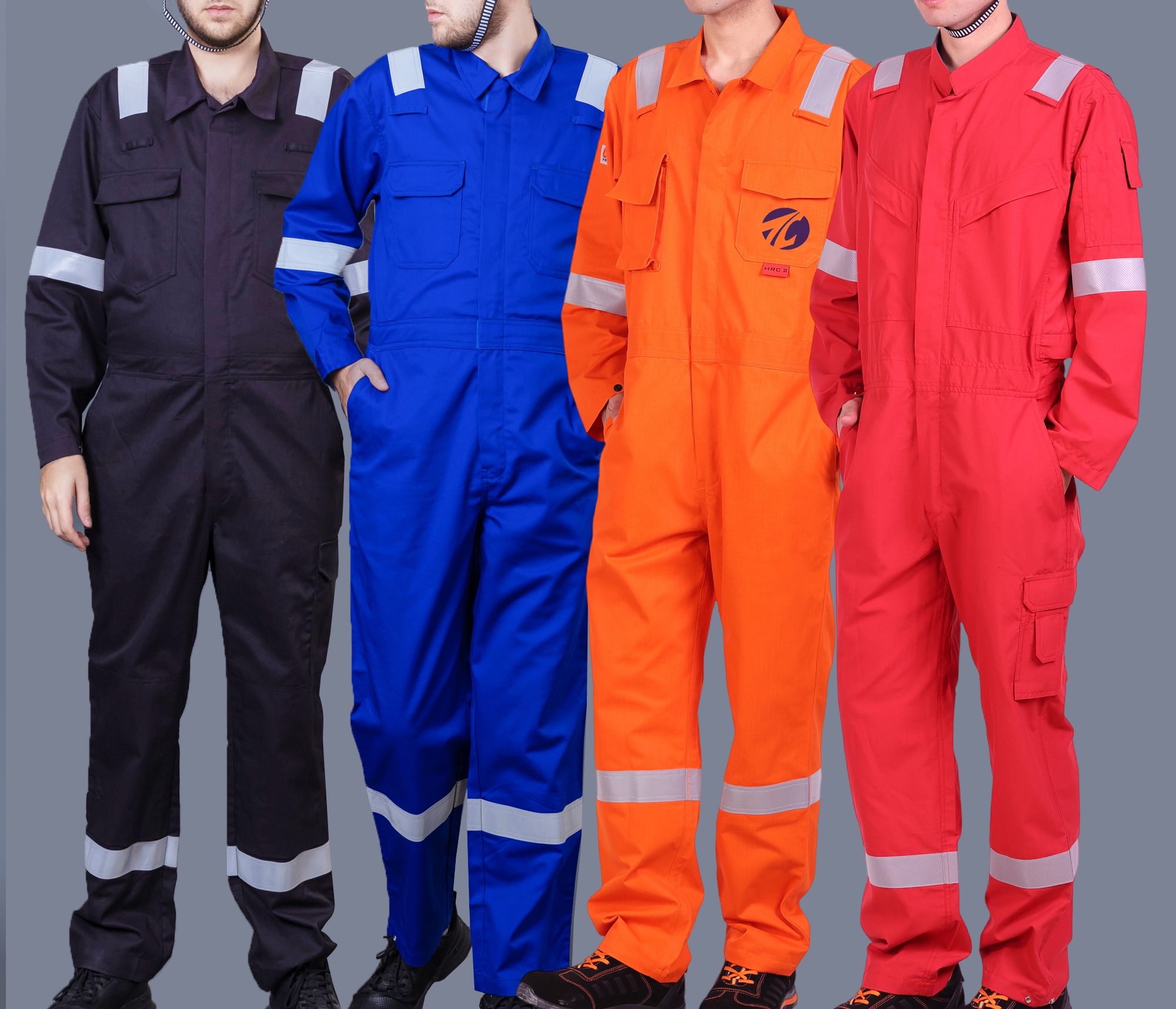
Wading through safety certification requirements can feel like learning a new language, but breaking it down into your product’s specific risks and target markets makes it far less overwhelming. Instead of memorizing every standard, focus on the hazards your product actually presents—electrical shock, mechanical injury, chemical exposure—and let those guide your certification path.
Many teams get tripped up by confusing mandatory certifications with voluntary marks. In practice, you only need to meet the legal requirements of the country you’re selling into. For example, a product headed to the EU must carry CE marking under the applicable directives, while North America typically requires marks like UL or CSA. Voluntary certifications can add customer confidence, but chasing them without a clear commercial reason only adds unnecessary complexity.
The most efficient approach is to involve testing labs early, ideally during prototyping. A short pre-compliance scan can catch design flaws that would otherwise force expensive retooling later. Keep your technical documentation clear and current from day one—it’s not just a formality, it’s what proves your product is safe and keeps market access straightforward.
When Heat Protection Meets Breathability: No More Trade-Offs
For years, anyone working in hot environments faced a frustrating dilemma: choose gear that blocks radiant heat but leaves you drenched in sweat, or opt for lighter, breathable fabrics that let dangerous thermal energy pass right through. The idea of having both robust heat protection and true breathability felt like an impossible engineering challenge—until now.
Modern material science has finally broken that compromise. By integrating advanced phase-change materials with micro-ventilated fabric structures, today's protective apparel actively manages both heat and moisture. Instead of simply reflecting heat away like older aluminized gear, these new systems absorb, store, and gradually release thermal energy while allowing air to flow freely through billions of microscopic pores. You stay cooler, drier, and safer without the heavy, suffocating feel.
The result is gear that works with your body rather than against it. Whether you're facing down a furnace or working long shifts in extreme radiant heat, you no longer have to choose between protection and comfort. It's a shift that doesn't just improve performance—it fundamentally changes what you can expect from your workwear.
Tailoring Your Gear to the Job: Beyond One-Size-Fits-All
You wouldn’t wear steel-toe boots to a board meeting, and you wouldn’t bring a pocket knife to a chainsaw competition. Yet when it comes to work gear, far too many of us grab whatever’s within reach and hope for the best. Good equipment isn’t just about durability—it’s about real compatibility with the task at hand. A chef needs knife handles that stay grippy despite buttered fingers; a carpenter wants a tool belt that distributes weight without digging into his ribs. When you pause to notice the little grievances that pop up during a shift, you start to see where standardized gear falls short. That’s your cue to start customizing. The closer your tools and apparel match the specific demands of your role, the less energy you spend fighting your own setup.
This approach often means tweaking rather than replacing entirely. Swap out default insoles for ones with better arch support if you’re on concrete all day. Add a ripstop panel to the knees of your work pants if they always blow out too soon. It’s not about buying the most expensive version of everything—it’s about removing the everyday friction points. Pay attention to the repetitive movements and the environmental quirks: are you always bending to reach a low shelf? Do you work under heavy dust or near sparks? These details guide smarter choices, from moisture-wicking base layers to flame-resistant outer shells. Small modifications compound over time, turning frustrating gear into an almost invisible extension of your own abilities.
Washing and Wear: Simple Habits That Preserve Performance
It’s tempting to toss everything into the machine on a heavy cycle and let it rip, but most performance fabrics deserve a lighter touch. Turning garments inside out, using cold water, and opting for a gentle or sport-specific setting can dramatically slow down the degradation of fibers and finishes. Even something as small as fastening zippers and securing Velcro prevents snags that gradually eat away at your gear’s integrity.
Detergent choice is another quiet game changer. Harsh powders and heavy-duty liquids often leave residue that clogs breathable membranes, while fabric softeners work by coating fibers—rendering moisture-wicking properties nearly useless. A mild, fragrance-free liquid detergent preserves both the textile and its functional coatings without sacrificing cleanliness.
Equally important is how you dry. Air drying is ideal, and if you must use a machine, the lowest heat setting is non-negotiable. High heat breaks down elastic, weakens seams, and can cause delamination in waterproof layers. A little patience here keeps shape, stretch, and technical performance intact far longer than the care tag suggests.
Stories from the Field: How the Right Clothing Changes Everything
I still remember the biting wind of that November morning in Patagonia, standing at the trailhead in a cheap rain jacket that promised waterproof protection. Within an hour, I was soaked through and shivering—my core temperature dropping fast enough to force a retreat. That day, I learned the hard way that the gap between marketing claims and genuine technical fabric can be measured in hypothermia risk. The right clothing, I later discovered on a return trip with a layered merino wool and Gore-Tex system, transforms not just comfort but the boundaries of what you dare to attempt.
Fieldwork in Kenya’s Rift Valley reinforced this lesson from a different angle. A colleague arrived in heavy cotton trousers, which chafed and retained sweat during midday transects, while the rest of us moved freely in lightweight, breathable ripstop. As blisters formed and morale dropped, it became clear that clothing isn’t a trivial detail—it’s the silent enabler of focus and endurance. In remote places, the right shell becomes armor against distraction, letting your mind stay fixed on the science, the summit, or the simple act of being present.
FAQ
The key difference lies in the fabric's ability to resist ignition, self-extinguish, and limit heat transfer. Regular garments can melt, drip, or burn rapidly, which greatly increases injury risk. Flame-resistant clothing is engineered to char and create a barrier, giving the wearer an extra layer of protection and valuable escape time.
Look for compliance with standards like NFPA 2112 for industrial flash fire protection or NFPA 70E for electrical arc hazards. A label from a third-party testing organization, such as UL, adds credibility. Always verify the garment’s certification for the specific hazards you face.
Yes, modern FR garments are designed with breathability and moisture management in mind. Many incorporate lightweight, soft fabrics that allow airflow and sweat evaporation while still meeting safety standards. Comfort shouldn't be sacrificed for protection anymore.
Not if you follow the care instructions. Most quality FR clothing is durable to repeated industrial laundering, but using fabric softeners, chlorine bleach, or certain starches can degrade the flame-resistant properties. Stick to the manufacturer’s guidelines to maintain performance.
Two big mistakes: prioritizing price over proven performance, and ignoring proper fit. Ill-fitting clothes can gap or restrict movement, compromising protection. Also, some assume any cotton garment is sufficient, but untreated cotton burns readily. Always match the garment’s rating to the actual task.
Even occasional exposure can be risky—a single spark or splash can ignite regular clothing. Welding spatter, brief flash fires, and arc flashes happen unexpectedly. Wearing certified FR gear for any task with potential thermal hazards is a smart precaution, not overkill.
Protection is categorized by hazard type and intensity. For example, arc flash protection uses ATPV ratings (cal/cm²), while flash fire clothing follows standards like NFPA 2112. Assess your work environment’s specific risks—conduct a hazard analysis—to pick gear with the right performance level.
Conclusion
In hazardous work environments, the right fire retardant clothing isn't just gear—it's a lifeline. Understanding flame-resistant materials goes beyond buzzwords; it's about knowing which fabrics truly resist ignition and insulate against extreme heat without compromising mobility. Modern solutions blend advanced fibers like aramid blends with moisture-wicking technologies, so workers stay protected and cool under pressure. Navigating safety certifications can feel like a maze, but grasping the essentials—like NFPA 2112 or EN ISO 11612—empowers teams to choose garments that meet rigorous, real-world standards. Gone are the days of sacrificing comfort for safety; today's PPE merges heat shielding with breathability, eliminating the old trade-offs and enabling focus on the task at hand.
Equally vital is tailoring protective apparel to specific roles. A welder facing sparks needs different coverage than an electrician confronting arc flash risks, and a one-size-fits-all approach leaves gaps in defense. Practical habits, too, keep gear performing: simple washing techniques free from fabric softeners and regular inspections for wear extend garment life and preserve flame resistance. Stories from the field prove the impact—workers recount how well-fitted, properly maintained FR clothing prevented severe burns, transforming close calls into mere anecdotes. This guide isn't about ticking boxes; it's a holistic roadmap to workplace safety where comfort, durability, and certification converge, ensuring that every layer works as hard as the people wearing it.
Contact Us
Contact Person: Sandy
Email: [email protected]
Tel/WhatsApp: 86150 8310 5120
Website: https://www.frdrotex.com