

Preserved Flower Bouquet: Which One Is Good? Expert Picks and Buying Tips
2026-10-03
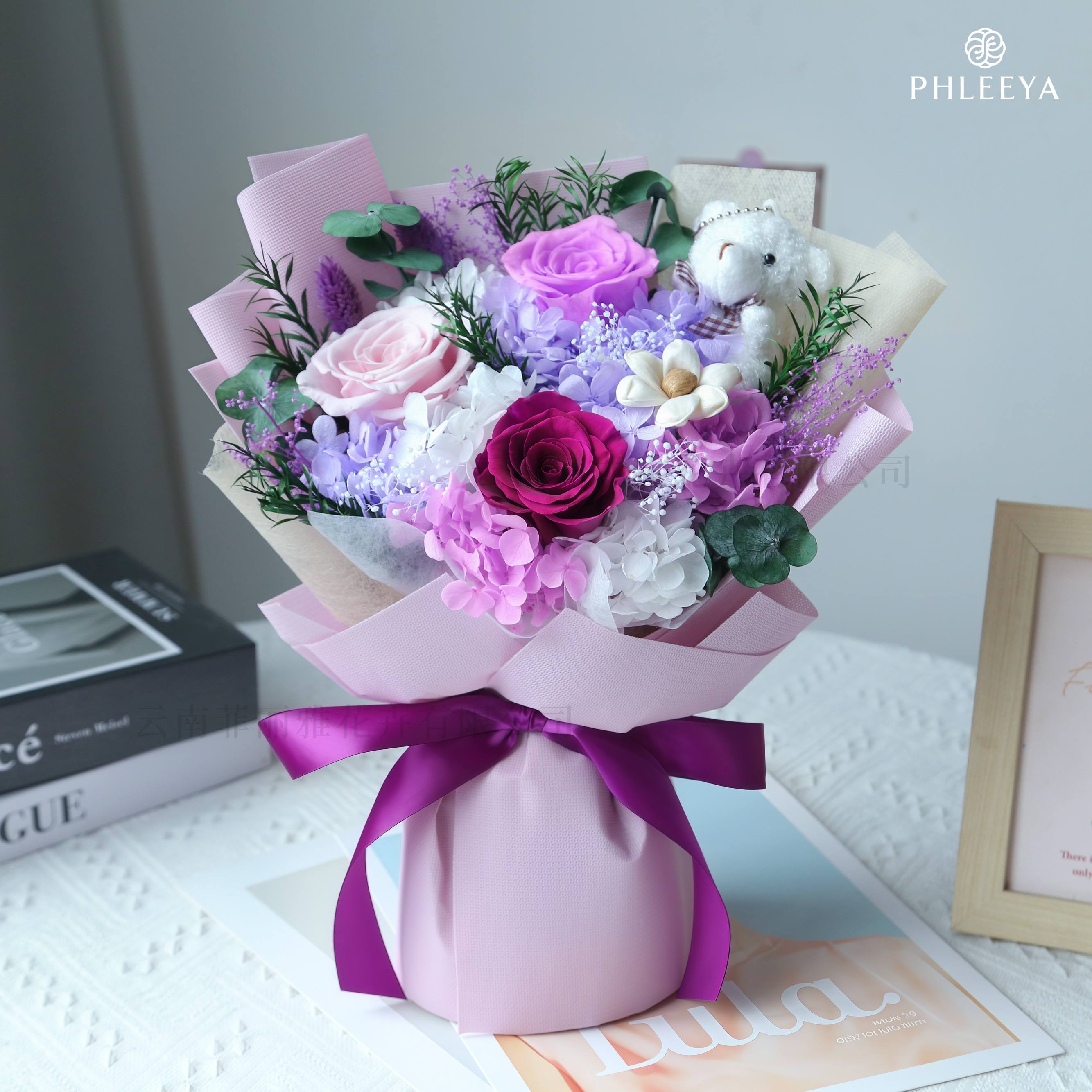
Choosing the right preserved flower bouquet can feel overwhelming with so many options out there. From color combinations and flower types to longevity and styling, small details make a big difference. In this guide, we break down expert picks and practical buying tips to help you find a bouquet that truly lasts. Whether you're gifting or decorating, brands like PHLEEYA have refined the art of preserved florals, but knowing what to look for is key. Read on to discover which preserved flower bouquet suits your needs best—and avoid common mistakes.
What Makes a Preserved Bouquet Worth Your Money
A preserved bouquet isn't just dried flowers in a box—it's a craft that hinges on timing and technique. The best ones are harvested at peak bloom, then treated with a gentle, non-toxic solution that replaces natural sap while keeping petals soft and colors vivid for a year or more. That process takes days, not hours, and it's what separates a keepsake from a dusty afterthought. When you pay for one, you're really paying for the grower's patience and the artist's eye to arrange stems as if they were still drinking water.
Durability is another quiet marker of value. A cheap preserved bouquet might fade in a few weeks or crumble at the first touch. A well-made one holds its shape through moves, humid summers, and curious cats, because each stem is individually stabilized, not sprayed in bulk. The color palette also matters—natural tones like dusty rose, sage, and cream age gracefully, while neon dyes tend to look artificial and cheap. Ask yourself if the bouquet still feels like a memory, not a decoration, after six months on a shelf.
Finally, the worth comes from the story it carries. A preserved bouquet from a wedding, a first anniversary, or a hospital room isn't just decor—it's a physical anchor to a day you can't replay. The maker's skill lets you touch those flowers without fear of ruining them, which a photo or a pressed petal can't offer. That tactile reminder, combined with the fact that it won't wilt into a mess, is what turns a sentimental splurge into quiet, everyday comfort.
Flower Types That Hold Up Beautifully Over Time
Some blooms fade within a day, but others carry their grace through weeks of changing light. Take the strawflower—its papery petals feel almost dry to the touch, yet they never droop. You can leave them in a vase without water and they still hold their shape, like a memory pressed between pages. Then there's the globe amaranth, whose clover-like heads keep their color so stubbornly that gardeners often mistake them for silk. These aren't flowers that demand constant fussing; they're the ones you forget on a shelf and find weeks later, still bright enough to make you pause.
Statice is another quiet survivor. Its tiny, cloud-like clusters don't shout for attention, but they refuse to bow to heat or neglect. Cut a stem in June and by August it still stands upright, the purple haze only slightly deeper. Sea holly works the same trick with a spikier edge—its metallic blue bracts look almost artificial, as if a silversmith had a hand in their design. What makes these types endure isn't just toughness; it's a kind of structural honesty. They don't rely on heavy petals that bruise easily. Instead, they build their beauty from stiff bracts and waxy coatings, the botanical equivalent of a well-made leather bag that ages into character rather than falling apart.
For a more dramatic option, look to the protea. Its bold, artichoke-like bloom can sit in a dry arrangement for months, the pink center darkening slowly like a sunset caught in amber. Or consider the Chinese lantern plant, whose orange husks turn paper-thin and translucent as they dry, rattling softly when you brush past. The key with all of these is patience—not in growing them, but in trusting that they won't let you down. You don't have to replace them every few days or rush to photograph them before they wilt. They hold the line, giving you time to actually enjoy them, not just preserve them.
Color Palettes That Suit Different Occasions
A soft blush, sage green, and warm ivory can turn a spring wedding into something that feels less like an event and more like a memory. Those three tones work because they borrow from nature without shouting. Meanwhile, a charity gala might call for deep navy, antique gold, and a touch of oxblood—colors that read as confident but not cold.
For a children's birthday or a weekend market stall, brighter pairings like marigold, teal, and coral make sense. They invite people in, lower the stakes, and keep the mood light. The trick isn't just picking cheerful hues; it's balancing them so the space feels playful rather than chaotic.
Corporate retreats and product launches often benefit from a quieter palette: slate blue, warm gray, and a single accent of persimmon. This combination keeps presentations polished while giving the room just enough energy. When in doubt, reduce the number of competing colors—two neutrals plus one accent will usually feel more intentional than five bold shades fighting for attention.
Spotting Quality Differences in Preserved Stems
When buying preserved stems, your eyes are your first tool. Look closely at the surface: high-quality stems keep a natural, slightly uneven texture with visible pores or fine ridges. Cheap batches often look plasticky or overly smooth, a sign they’ve been coated with excess wax or lacquer to hide flaws. Bend one gently—a well-preserved stem should flex without cracking, while poor ones snap dryly or feel brittle at the joints. If the color shifts dramatically under different lighting, that’s a red flag: premium stems hold a consistent, botanical tone rather than a flat dye job.
Smell is another dead giveaway, but it’s rarely mentioned in generic advice. Open the bundle and take a quiet sniff at the cut ends. Properly preserved stems have a faint, clean earthiness, sometimes with a whisper of glycerin or saline from the preservation process. If you catch a sour, musty, or chemical odor, walk away—that means the stems weren’t dried thoroughly before preservation, and mold or bacteria are already working inside. Rub a leaf between your fingers; it should feel supple, not greasy or powdery. A greasy residue points to low-grade softening agents, while powder suggests the stem was over-dried and then artificially re-moistened.
Finally, check the cut ends and leaf attachments. On premium stems, the cut looks clean and slightly darker than the bark, without splitting or fraying. Leaves should be firmly attached but not glued in place—tug one lightly; if it comes off with a tiny, fibrous snap, that’s natural. If it peels away like a sticker, the manufacturer used adhesive to mask stem drop. Also, compare several stems from different spots in the bundle. A quality batch shows only minor variation in thickness and color; extreme differences mean mixed harvests or uneven preservation, which translates to unpredictable longevity in your arrangements.
Budgeting Without Sacrificing Freshness Appeal
Saving money on food often feels like a trade-off with freshness, but the real trick is to shop for what's in season and buy only what you'll use within a couple of days. Instead of grabbing a large bag of pre-washed greens that wilts by Thursday, pick two or three crisp vegetables and build your own mix. It costs less, looks more alive, and you won't be tossing half of it out.
Another way to keep meals feeling fresh on a tight budget is to lean on bold, inexpensive flavor boosters. A bunch of cilantro, a lemon, or a small knob of ginger can make budget-friendly staples like beans, rice, or chicken thighs taste completely different from the night before. You don't need expensive proteins or out-of-season produce to create that just-made feeling.
Finally, pay attention to how food is stored and presented. Clear containers, a quick chop of fresh herbs right before serving, or arranging sliced vegetables by color can make a simple meal look like it came from a much pricier kitchen. A single garnish or a bright squeeze of citrus often does more for the eye and the palate than spending extra on specialty items.
Simple Care Habits That Keep Arrangements Looking New
Fresh-looking arrangements start with the water. Most people forget that stems are still alive and drinking, so change the water every two days instead of waiting until it clouds. Use cool, not cold, water and snip each stem at a sharp angle under running water before placing it back. This tiny habit prevents slime from forming and keeps those petals crisp far longer than any fancy additive.
Keep the vase out of direct afternoon sun and away from fruit bowls. Ripening apples and bananas release ethylene gas that quietly ages blooms overnight. A cooler spot near a north-facing window or on a shaded side table will slow opening and reduce wilting. If a bloom starts to droop, recut the stem and give it a brief soak in a deep sink — often it revives within an hour.
Remove spent flowers as soon as they fade, not just for looks but because dying petals release bacteria into the water. One rotting stem can shorten the life of every other bloom around it. Pay attention to leaves too: strip any that sit below the waterline, since submerged foliage decomposes fast. These simple routines take under five minutes and make a supermarket bunch hold up like a florist’s work.
FAQ
Look at the petals—they should feel soft and look natural, not brittle or overly waxy. Check the stems and arrangement: good bouquets keep their shape without glue showing, and colors should be vibrant but not artificial. Also ask how the flowers were preserved; glycerin-based methods tend to last longer than bleach-dye shortcuts.
Roses, hydrangeas, and carnations are among the most durable. Hydrangeas hold their color especially well, while roses keep their shape for years if kept dry. Avoid bouquets heavy on delicate fillers like baby's breath—they tend to shed or fade faster.
If you want something that stays beautiful for over a year without watering, yes. Fresh bouquets last a week or two, but a well-made preserved one can look nearly identical for 12-18 months or more. Just be ready to pay more upfront; for lasting decor or a keepsake gift, it often beats buying fresh repeatedly.
Ask about the preservation method—glycerin is the standard for durable, soft petals. Look for close-up photos that show no browning edges or crushed blooms. Check customer reviews for comments on longevity and smell (they shouldn't have a strong chemical odor). Also confirm the packaging; preserved flowers need sturdy support to avoid crushing in transit.
They work well for gifts that are meant to be kept, like anniversaries, Mother's Day, or a new home. Because they don't wilt, they're also practical for office desks or rooms without much natural light. For weddings, some people use them for bridal bouquets they can store as a memento.
Keep it out of direct sunlight, which fades the colors, and avoid humid spots like bathrooms—moisture makes petals go soft and droopy. Dust gently with a soft brush or cool hairdryer on low. Don't water them, and don't crush the stems. With that, most bouquets will stay fresh-looking for a year or longer.
Yes. Cheaper options often use lower-quality flowers or heavy artificial dyes, so colors may bleed or fade unevenly. Higher-priced bouquets tend to use fuller blooms, better glycerin treatment, and more careful arrangement. You don't need to buy the most expensive one, but avoid the very cheapest if you want it to last beyond a few months.
Conclusion
A preserved bouquet earns its price when the flowers still have a soft, almost fresh feel rather than a stiff, shellacked look. Roses, hydrangeas, carnations, and eucalyptus are reliably good choices because their petals and leaves absorb the preservation solution evenly and keep natural veining. Check the back of each bloom and the stem joints; quality pieces have flexible stems without cracks, colors that don't rub off, and no brown or transparent patches on the petals. Cheap arrangements often hide brittle fillers under a few showy flowers, so gently bend a leaf and see if it bounces back instead of snapping. The wiring should be tight but not visible from the top, and the overall shape should hold without leaning heavily to one side.
Color is where many buyers stumble. Soft blush, cream, and dusty blue work for weddings or sympathy, while deep burgundy, mustard, and forest green feel more celebratory or autumnal. If you're on a budget, skip oversized single blooms and choose a compact mix of smaller roses, dried grasses, and textural accents like ruscus or bunny tail — they fill visual space without raising the price much. Once home, keep the bouquet away from direct sunlight, air vents, and bathroom humidity. A monthly dusting with a cool hair dryer on low speed keeps petals fresh looking, and never mist or water the stems. With a little inspection upfront and gentle upkeep, a preserved bouquet can stay vibrant for a year or longer without losing its appeal.
Contact Us
Contact Person: Mr. Luo
Email: [email protected]
Tel/WhatsApp: 86 18100895505
Website: https://www.feiliyaflowers.com/en/