

OEM Fuel Pump: Choosing the Right Original Equipment Replacement for Reliable Performance
2026-10-21
Replacing a fuel pump isn’t something most drivers plan for—until the engine stumbles and the fuel gauge starts telling stories. When that day comes, the choice between a true OEM replacement and a budget aftermarket part can decide whether you’re back on the road with confidence or chasing rough idles for months. BEILIN has spent years matching original-equipment fuel pumps to the vehicles they were designed for, because even a small pressure mismatch can throw off fuel trims and drivability. This guide strips away the marketing fluff and walks you through what actually matters when choosing a reliable OEM fuel pump.
The Real Cost of a Misfit Fuel Pump
When a fuel pump fails, it's tempting to grab whatever's cheapest online. But a pump that doesn't match your engine's specs can cause far more damage than the few dollars you save. You might notice rough idling or a hesitation when you step on the gas, because the pressure just isn't right.
Over time, that misfit pump can take out your fuel injectors or even the pressure regulator. Then you're looking at a tow truck bill plus a shop repair that runs into the hundreds. And that's before you factor in the time you lost sitting on the side of the road.
Do the math. A mismatched pump might cost $40 less upfront. But the real cost—once you add up the parts, labor, and the hassle—can easily be five or ten times that. Sometimes the cheapest option ends up being the most expensive.
Why Original Equipment Beats the Aftermarket Lottery
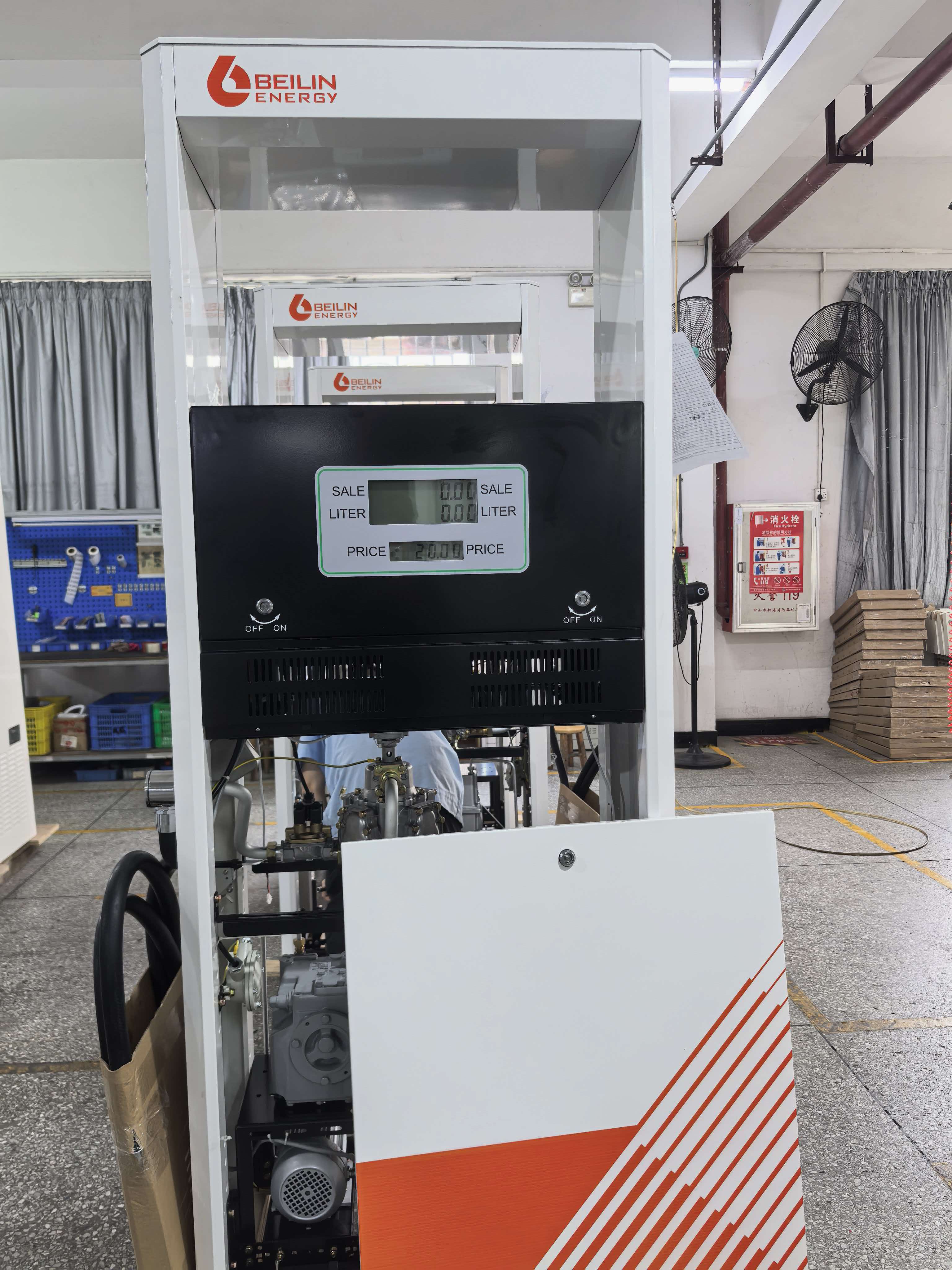
Why settle for a gamble when the stakes are your car's drivability and safety? The 'aftermarket lottery' is real: one batch of control arms fits perfectly, the next has a bushing that squeaks within a month. Original equipment parts are built to the same engineering drawings, material specs, and quality gates as the components your vehicle left the factory with. There's no guessing about whether the part will mate correctly with surrounding hardware or survive the same thermal cycles and road salt.
Aftermarket manufacturers rarely have access to the original supplier's proprietary test data. They may copy a shape but not the heat treatment, coating thickness, or fatigue life. That's why a bargain alternator can fail in 10,000 miles while the original unit lasted 150,000. With original equipment, you're paying for the validation that the part won't take out a belt, sensor, or bearing along the way.
Over time, the math flips in favor of original parts. A cheaper aftermarket component that fails twice not only costs more in labor but also raises the risk of secondary damage. Consistency matters when you're hundreds of miles from home. Original equipment isn't a luxury—it's the only way to remove the roulette wheel from your maintenance schedule.
Reading Your Vehicle’s Fuel System Requirements
Every car has its own language when it comes to fuel, and the owner's manual is the first place where that language gets translated. Instead of skipping straight to the octane number on the pump, take a few minutes to look at the section that outlines what your engine was designed to handle. Some vehicles are perfectly happy with regular 87 octane, while others need a higher grade to prevent knocking under load. The manual will also mention whether your car uses port injection, direct injection, or a combination of both, which affects how you should think about fuel quality and long-term maintenance.
Beyond the octane rating, pay attention to the specific fuel blends your vehicle can tolerate. Many modern cars are engineered to run on E10 or even E15 without issues, but older models or certain performance engines may have stricter limits. The fuel system requirements often include notes about ethanol content, winter versus summer blends, and any regional variations that could impact drivability. If the manual mentions a minimum detergent additive standard, it's not just fine print—it's a signal that the fuel injectors and intake valves are sensitive to carbon buildup.
Reading these requirements is less about memorizing numbers and more about understanding what your engine expects from the fuel you put in the tank. A careful look at the fine print can help you avoid unnecessary repairs, improve cold-start behavior, and even smooth out idle quality. When you know what the system was designed for, you can make smarter choices at the pump without relying on guesswork or marketing claims.
Signs Your Current Pump Is Done, Not Just Tired
A pump that’s simply tired will usually bounce back after a short rest, but one that’s done will keep finding new ways to fail. You might notice the pressure gauge dropping even when demand hasn’t changed, or the motor pulling more amps than it used to just to move the same volume. These aren’t random hiccups—they’re the result of worn clearances, pitted impellers, or seals that have lost their bite. If you’re already nursing it along with frequent top-offs or longer run times, you’re past the tired stage.
Another tell is noise that doesn’t settle down once the system warms up. A tired pump might whine for a minute; a dying one grinds, rattles, or hums unevenly because bearings are sloppy and cavitation is eating at the housing. Watch for fluid that’s warmer than it should be or leaks that reappear days after you tighten a fitting. When the cost per hour of runtime starts climbing—more energy, more labor, more patch fixes—that’s the pump telling you it’s no longer worth coaxing back to life.
Installing an OEM Pump Without the Usual Headaches
Swapping in an OEM pump often sounds straightforward until you discover the mounting bracket doesn't line up, the wiring harness is a different generation, or the old gasket crumbles into the intake. The trick is to treat the job as a system refresh rather than a simple part swap. Start by laying out every piece next to the old pump, comparing bolt lengths, connector shapes, and hose barb angles before anything gets unbolted. A ten-minute visual audit will save you from discovering a missing o-ring or mismatched electrical plug halfway through, when the car is apart and the parts store is closed.
Another headache people run into is forcing a new pump into a dirty or warped mounting surface. Spend a few extra minutes cleaning the gasket face with a plastic scraper and a shop towel dampened with brake cleaner. Check for flatness with a straightedge if the old pump leaked badly, because even a tiny dip can cause the new seal to weep. If the original bolts look stretched or corroded, replace them with the exact OEM spec rather than grabbing whatever fits from the hardware bin. Torque everything in a star pattern to the factory value, and double-check any hose clamps that were moved during the job.
Finally, don't skip the priming step just because the new pump looks identical. Dry-starting an OEM pump, especially a high-pressure or gear-driven unit, can score internal surfaces within seconds. Fill the inlet side with the recommended fluid, rotate the shaft by hand a few times, and if there's a bleed screw or return line, crack it open until fluid appears without bubbles. Run the engine at idle and watch for leaks at the fittings rather than revving it immediately. A little patience here turns a potential weekend-ruining install into a quiet, leak-free job that lasts as long as the original.
Long-Term Reliability Starts With the Right Housing and Harness
The foundation of any dependable electronic system lies in the physical layer most engineers overlook until it's too late. A well-designed housing does more than shield components from dust and moisture; it manages thermal stress, resists chemical exposure, and dampens vibration before those forces reach solder joints. Pair it with a harness built from correctly gauged wire and terminated with strain relief that matches the application's movement profile, and you eliminate the intermittent failures that erode trust over years of service.
Field data consistently shows that connector oxidation and chafed insulation account for a large share of warranty returns. Choosing a sealed enclosure with positive locking tabs, then routing conductors away from sharp edges and high-flex zones, turns a fragile prototype into a product that survives temperature swings from -40°C to 85°C without a single open circuit. This approach doesn't just reduce callbacks—it changes how customers describe the brand when they're asked about reliability.
Small decisions compound quickly. A gasket with the right durometer, a backshell with proper IP rating, a harness loom that prevents pinching at pivot points—these details separate equipment that lasts a decade from gear that needs quarterly servicing. When the housing and harness are treated as engineered systems rather than afterthoughts, the result is predictable uptime and a maintenance log that stays remarkably short.
FAQ
OEM stands for Original Equipment Manufacturer. In practice, it means the pump comes from the same supplier or is built to the same specifications as the one your vehicle left the factory with. Aftermarket parts can vary widely in quality and fit, while an OEM pump is designed to match your car's exact fuel pressure, flow rate, and electrical demands without modification.
The biggest reason is predictable performance. An OEM pump delivers the right fuel volume and pressure across all driving conditions, which keeps the engine running smoothly and protects the fuel injection system. Cheaper aftermarket units often use lower-quality motors or impellers that can fail early, cause hard starts, or even burn out your fuel pump relay.
Start with your vehicle's VIN or the exact year, make, model, and engine code. Cross-reference the original part number printed on your old pump if possible. Many online parts catalogs let you enter a license plate or VIN to filter results. Don't rely on a visual match alone, because the same pump housing can house different internal components for different engines.
Buying online is fine if you stick with reputable sellers. Look for the actual manufacturer's part number in the listing, avoid vague descriptions like "fits most models," and check that the seller offers a solid return policy. Many genuine OEM parts are sold through independent distributors at lower prices than dealerships, but you need to verify the part is not a counterfeit or a reboxed aftermarket copy.
It depends on your comfort level and the vehicle. On many cars the pump is accessible under the rear seat or through a hatch in the trunk, which makes the job doable with basic hand tools. However, you're working with fuel lines and electrical connections, so you need to relieve fuel pressure properly and disconnect the battery. If the tank has to be dropped, or if you're not used to working with fuel system components, a professional install is the safer path.
A genuine OEM fuel pump can easily last 100,000 to 150,000 miles or more, especially if you avoid running the tank constantly near empty and change your fuel filter on schedule. Early warning signs include a whining noise from the tank, longer cranking before the engine starts, hesitation under hard acceleration, or the engine cutting out when it's hot or under load. If you notice these, test fuel pressure before replacing anything else.
Not really. The best thing you can do is keep at least a quarter tank of fuel, because the fuel itself cools and lubricates the pump. Replace the fuel filter at the intervals recommended for your vehicle, and use quality fuel from busy stations to reduce the chance of sediment reaching the pump. Beyond that, a genuine OEM pump is designed to be fit-and-forget.
Yes. Look for packaging that seems flimsy or has blurry printing, a missing hologram or manufacturer logo, a price that's dramatically below market average, and a seller who can't provide a traceable part number. Genuine OEM pumps usually come in sealed boxes with the automaker's branding and sometimes a QR code or serial number you can verify. If the pump itself has rough casting marks or wires that feel thin, return it.
Conclusion
Choosing an OEM fuel pump isn't about brand loyalty—it's about matching the exact flow rate, pressure curve, and electrical load your engine was calibrated for. A misfit aftermarket unit might save a few dollars upfront, but it can lean out the mixture under load, shorten injector life, or even leave you stranded when the wiring overheats. Original equipment pumps are built to the same housing dimensions, connector pinouts, and fuel module tolerances, so the pump sits correctly in the tank and doesn't cavitate on hard corners or low fuel. Reading your vehicle's fuel system requirements means checking not just the pump's lph rating, but also its voltage draw and relief valve setting—details many generic copies ignore.
Before you order, look for signs your current pump is done: long cranking times, a whine that changes pitch with tank level, or sudden hesitation under wide-open throttle. If the pump is weak but not dead, replacing it now avoids a tow bill later. Installing an OEM pump without headaches comes down to using the right o-ring, not forcing the lock ring, and transferring the level sender carefully. Long-term reliability also depends on the housing and harness—corroded connectors or a warped bucket will kill even the best pump. Investing in the correct original equipment replacement means you won't be revisiting the job in six months.
Contact Us
Contact Person: Jason
Email: [email protected]
Tel/WhatsApp: 8615876017548
Website: https://www.bei-lin.com/