

New Chemical Materials Procurement Best Practices You Need to Know
2026-11-02
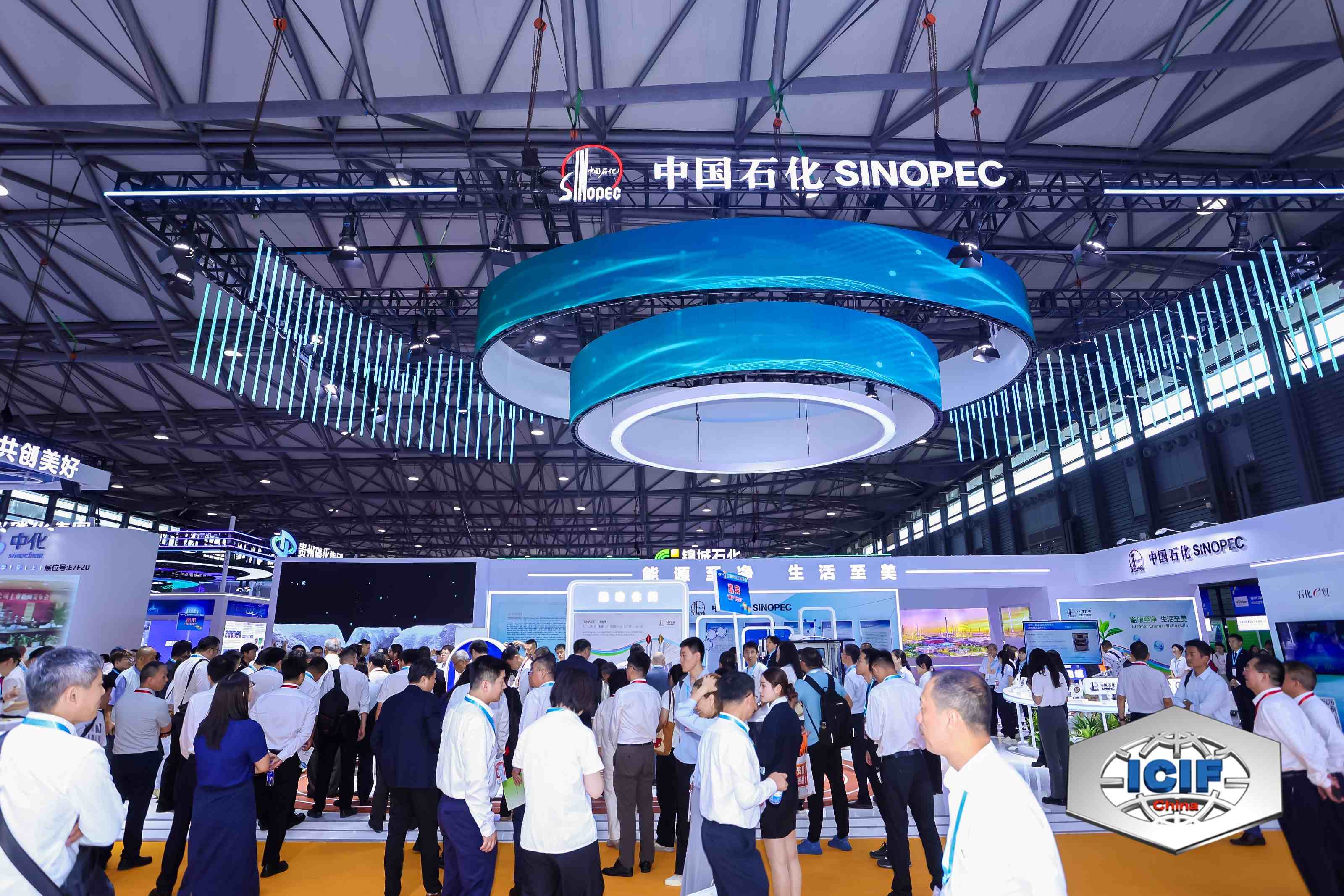
If your new chemical materials procurement still runs on last decade’s playbook, you’re one missed spec away from a batch rejection. We’ve distilled what actually works into a set of best practices—no fluff, just the moves that keep quality high and costs from spiraling. Start with the insights we picked up on the floor at ICIF, then adapt them to your own supply chain.
Supplier Vetting That Goes Beyond the Audit Checklist
A standard audit tells you whether a supplier can tick boxes, but it rarely reveals how they behave when no one is watching. Going beyond the checklist means spending time on the factory floor, talking to line workers rather than just management, and noticing whether safety protocols are actually followed during a rush order. It’s the difference between a snapshot of compliance and a living sense of the operation’s culture.
Real vetting also involves tracing a supplier’s subcontracting habits and material sources. Many facilities quietly outsource portions of production to smaller workshops that never appear on the original paperwork. By interviewing logistics staff, reviewing shipment records against capacity, and cross-checking raw material purchases with output volumes, you uncover risks that a standard questionnaire would miss. This kind of digging often reveals discrepancies in labor hours, energy use, or even the origin of components.
Finally, relationships matter. A supplier that has survived multiple buyers may be stable, but stability without transparency can hide persistent issues. Developing a direct channel to a few employees—without alerting management—can provide early warnings about upcoming layoffs, wage delays, or equipment failures. These human signals, combined with data verification, create a vetting process that is both rigorous and grounded in the messy reality of production.
Negotiating Purity and Performance, Not Just Price
Too many purchasing teams walk into negotiations with a laser focus on unit price, only to discover months later that the real cost hides in purity deviations and performance shortfalls. Take high-purity solvents for pharmaceutical synthesis: a 99% pure lot might cost half as much as a 99.99% lot, but the trace impurities can poison a catalyst and destroy an entire batch. Smart negotiators flip the conversation early, asking for impurity profiles and batch-to-batch consistency data before ever discussing discounts. They treat purity as a measurable deliverable, not a marketing claim.
Negotiating performance requires moving beyond spec sheets written in ideal conditions. Ask the supplier to demonstrate how their material behaves in your actual operating environment—temperature swings, vibration, chemical exposure. Insist on trial runs or referenceable installations with similar demands. Then negotiate around those real-world numbers, not the glossy brochure figures. One effective tactic is to tie payment milestones to performance validation: partial release on delivery, full payment only after your quality team confirms the material hits agreed purity and functional benchmarks under load.
The endgame is shifting the discussion from cost per unit to total cost of ownership and risk allocation. If a supplier refuses to guarantee purity levels with meaningful penalties, they are quietly asking you to absorb the risk of contamination. Push back by drafting contract language that includes testing protocols, rejection thresholds, and expedited replacement terms. In exchange, offer longer-term volume commitments or joint improvement projects—suppliers are far more willing to invest in purification infrastructure when they see a stable partner rather than a one-time price shopper. That is how you negotiate a deal that protects your process, not just your budget.
Building a Resilient Supply Chain for Specialty Chemicals
Specialty chemical supply chains often hinge on a handful of critical raw materials—catalysts, intermediates, or custom monomers—that cannot be swapped without requalification. Building resilience starts with mapping every tier of supply, not just direct vendors, because a disruption in a second-tier precursor plant can idle a reactor just as fast. Many producers are now qualifying second sources for those bottleneck inputs, even when the alternate material costs a bit more, because the requalification cycle itself can take twelve to eighteen months. That lead time makes proactive qualification a cheap insurance policy compared to lost batches or customer penalties.
Inventory strategy shifts too. Holding extra safety stock of low-volume, high-value intermediates or finished blends is often cheaper than shutting down a customer's line. Some companies stage buffer inventories at regional warehouses close to key customers, allowing them to absorb a port strike, a rail slowdown, or a sudden batch failure without breaking supply promises. It is not about hoarding everything—it is about identifying the ten or fifteen SKUs where a stockout causes outsized pain and building a cushion there.
Logistics and quality agreements also need hardening. Specialty chemicals frequently travel under hazmat rules or temperature control, so relying on a single carrier lane or one packaging line creates hidden fragility. Smart operators qualify backup carriers for each critical route, pre-certify alternative packaging formats, and write supplier contracts that include shared recovery protocols when a shipment stalls. These details rarely make headlines, but they keep production running when the obvious options disappear.
Quality Agreements That Prevent Costly Batch Rejections
A well-drafted quality agreement does more than list responsibilities—it locks down the exact specifications, test methods, and release criteria before production begins. When both parties sign off on clear acceptance limits for impurities, residual solvents, or moisture content, there is far less room for a contract manufacturer to deliver material that drifts out of spec. The agreement also sets how out-of-specification results are investigated, who pays for root cause analysis, and what corrective actions must be completed before a batch can be resubmitted. Spelling out these details early prevents the costly back-and-forth that often ends with a rejected batch sitting in quarantine.
Another layer that reduces rejection risk is defining change control and communication triggers. A quality agreement should require the supplier to notify you before altering raw material sources, equipment, or cleaning procedures—not after the batch has shipped. It also helps to include periodic audit rights and a joint review of batch records for critical process parameters. When deviations happen, a pre-agreed escalation path and lot disposition authority keep decisions moving instead of stalling in email chains. These clauses turn the agreement into a working tool that catches problems while they are still correctable, rather than a document that only gets pulled out during a dispute.
Smart Inventory Tactics for Volatile Raw Material Markets
Raw material price swings can wreck a budget in days, yet many manufacturers still rely on static reorder points set months ago. The smart move is to build inventory buffers that flex with market signals, not fixed formulas. For instance, when a key metal's futures curve shifts into backwardation, carrying extra stock often beats chasing spot prices later. Pair that with supplier scorecards weighted toward delivery reliability during past shortages, and you create a cushion that absorbs shocks without bloating working capital year-round.
Another underused tactic is dual-sourcing with asymmetric volume commitments. Instead of splitting orders 50/50, give the primary supplier 70% but keep a secondary source warm with small, frequent purchases. This keeps the backup vendor invested in your success while preserving negotiation leverage. When a disruption hits, you can rapidly shift volume without scrambling to qualify a new partner under fire.
Finally, treat inventory as a portfolio: classify raw materials by supply risk and price volatility, then apply different hedging and stock policies. High-volatility, single-source items might justify safety stock plus forward contracts, while stable, multi-source commodities can run lean with just-in-time deliveries. Review these classifications monthly using real-time market data, not annual planning cycles, to stay ahead of sudden shifts.
Turning Regulatory Compliance into a Procurement Advantage
Compliance rarely sparks excitement in procurement circles, yet treating it as a static checklist leaves real value on the table. Forward-thinking teams reframe mandatory regulations—such as environmental standards, data protection rules, or supply chain due diligence laws—as competitive filters. Instead of merely avoiding fines, they use compliance depth to screen suppliers early, reducing downstream disruption and exposing partners who share the same operational discipline.
This shift changes negotiation dynamics. When procurement can demonstrate that a supplier’s compliance posture lowers audit risk, shortens onboarding, or stabilizes delivery timelines, that proof becomes leverage. Buyers negotiate not just on price, but on reliability, transparency, and long-term continuity. A supplier with robust compliance infrastructure often costs less to manage over a contract’s life, even if the initial quote runs slightly higher.
The advantage hardens when compliance data feeds into supplier scorecards and category strategies. Teams that track regulatory performance alongside quality and cost can spot early warning signs—such as a supplier quietly dropping certifications or lagging on reporting—before they become crises. Over time, this turns procurement into a guardian of enterprise resilience, where every compliant choice quietly strengthens the supply base against a tightening regulatory landscape.
FAQ
Clarify the exact purity, physical form, and application conditions with the R&D team. A vague request like 'high purity' often leads to wrong batches, so get the target impurities, particle size if relevant, and storage constraints down on paper before contacting suppliers.
Ask for recent batch-to-batch COAs and challenge them with a blind sample if possible. You can also request a small trial lot first and run your own HPLC or GC-MS against a known reference, then compare how transparent they are about deviations.
Spec sheets often hide differences in trace metals, residual solvents, or particle morphology that only show up in downstream processing. A cheaper lot can fail at the pilot scale, wiping out any upfront savings and delaying a project by weeks.
Early-stage R&D or small pilot batches usually favor a distributor because minimum order quantities are lower and they can handle repacking under controlled conditions. Direct manufacturer relationships pay off once annual volume justifies a supply agreement and you need custom specs.
Look for double-sealed containers with an inert gas blanket, indicating desiccants, and smaller sub-pack sizes if your team only uses a few grams per run. Repeated opening of one large drum will degrade the material faster than ten small vials packed correctly.
Be upfront that you need business continuity, not a price war. Give your current supplier a chance to improve their lead time or hold safety stock while you run qualification samples from an alternative in parallel. This often motivates them to offer better flexibility without feeling threatened.
Include controlled-temperature shipping, customs duties and hazmat documentation, waste disposal for off-spec lots, and the labor involved in re-testing incoming material. Quoting only the per-kilo price routinely understates the total landed cost by 15–30%.
Name the test method for acceptance, set a shelf-life and retest date, define who pays for return shipping if the COA doesn't match, and state the required labeling format for GHS and storage. Ambiguity in any of those fields is where most quality disagreements start.
Conclusion
Procurement teams that still treat new chemical materials like commodity purchases often learn expensive lessons on the production floor. Supplier vetting has to move past a generic audit checklist and look at how a supplier handles out-of-spec batches, what their impurity profiles actually look like across multiple production runs, and whether their quality lab uses methods your downstream process can trust. When it comes to pricing, the conversation should center on lot-to-lot consistency, traceability of raw material sources, and agreed performance windows for purity or key impurities. A slightly cheaper material that fails in a pilot batch or causes an unexpected side reaction wipes out any negotiated discount.
For specialty chemicals with limited qualified sources, supply chain resilience means qualifying a second supplier before you need one, not after a shortage hits. Smart inventory tactics also matter because many new chemical materials have long lead times and volatile feedstock markets; keeping safety stock on low-cost but critical reagents while using vendor-managed inventory for expensive catalysts can buffer against sudden price swings. Quality agreements should be drafted before the first purchase order, not after a rejected batch, with clear test methods, retention samples, and rejection criteria. Regulatory compliance can become a procurement advantage: suppliers that already meet stricter regional standards are often better positioned to keep supplying when rules change, and that reliability can be worth far more than a lower unit price.
Contact Us
Contact Person: Shaozhen Zhou
Email: [email protected]
Tel/WhatsApp: 0086-18612117599
Website: https://en.icif.cn/