

Folding Door Manufacturer Guide: Choosing Quality and Style for Your Space
2026-07-11
When it comes to combining functionality with aesthetic appeal, folding doors have become a top choice for modern spaces. But with so many manufacturers out there, how do you separate the exceptional from the mediocre? Whether you're renovating a cozy home or designing a bustling commercial interior, the quality of your folding door can make or break the entire look and feel. That's where NORTON steps in—redefining durability, style, and seamless operation. In this guide, we'll walk you through everything you need to spot a reliable manufacturer and why cutting corners could cost you more than just money.
What to Look for in a Folding Door System
When evaluating folding door systems, the first aspect to assess is the material quality. Aluminum frames offer a sleek, modern look with minimal maintenance, while timber brings warmth but requires more upkeep. Composite materials can provide a balance, resisting warping and offering good insulation. Pay attention to the thickness of the profiles and the quality of the finish, as these directly affect durability and operation.
Next, consider the hardware and track system. Smooth, quiet operation hinges on high-quality rollers and hinges. Look for systems that offer adjustable components to keep doors gliding effortlessly over time. Pay attention to the build of the tracks—bottom-run tracks might be easier to install but can collect debris, while top-hung systems allow for a cleaner floor but demand robust overhead support.
Finally, think about energy efficiency and sealing. A good folding door system should come with effective weather stripping to prevent drafts and moisture ingress. Double or triple glazing with thermal breaks can significantly improve thermal performance, reducing energy costs. Also, verify that the locking mechanism is secure and straightforward to use, as you'll be engaging with it daily.
Material Choices That Impact Performance
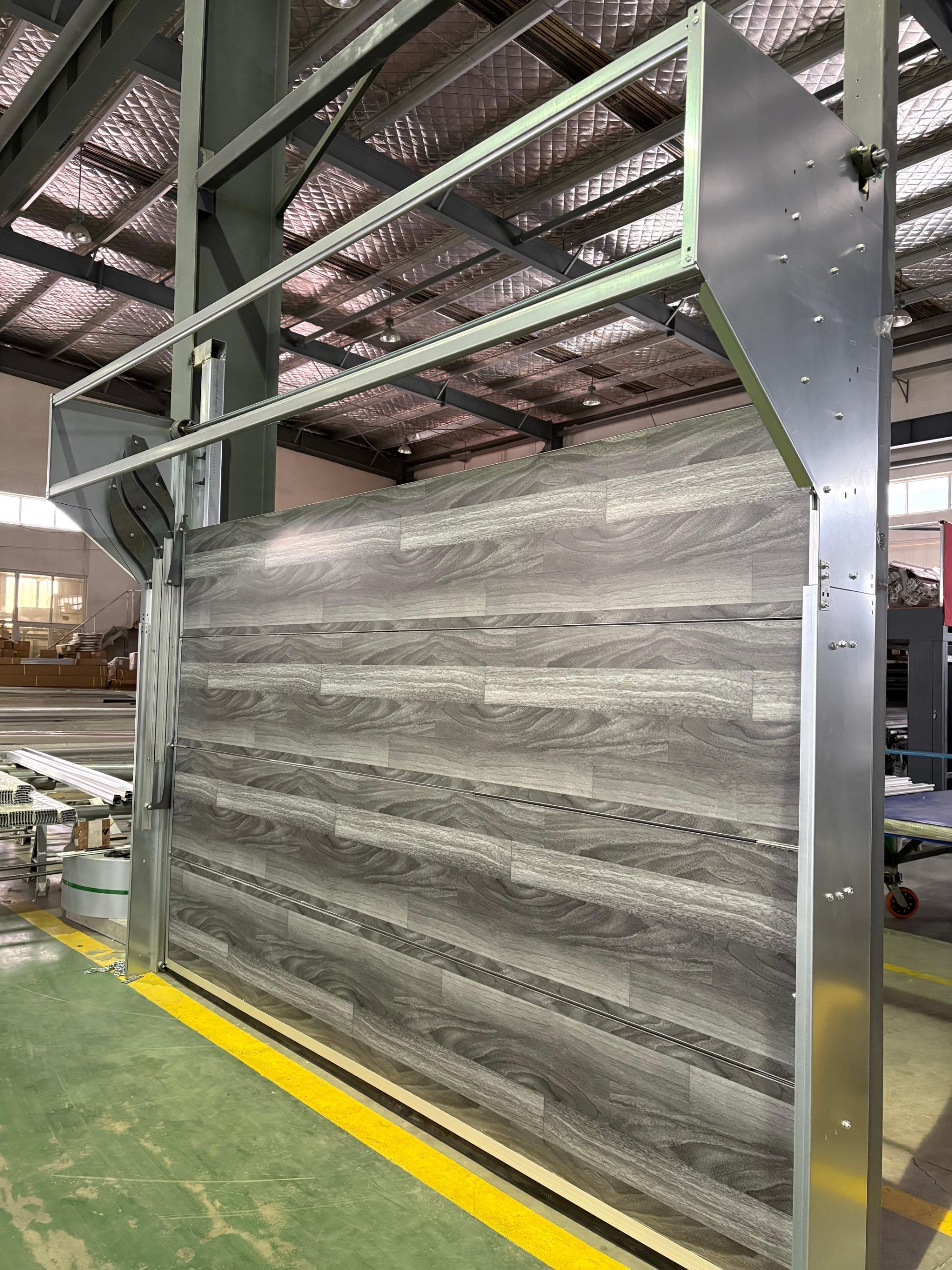
When you push an object to its limits, the stuff it's made of isn't just a passive bystander—it's the hidden hand shaping how well things hold up. Take car suspensions: swapping out heavy steel for forged aluminum doesn't just trim pounds; it changes how the whole machine talks to the road, reducing unsprung weight so shocks and struts can react with real precision. Suddenly, what felt like a lumbering brute becomes nimble, responsive, alive. The same logic ripples through everything from tennis rackets to turbine blades, where carbon fiber's stiffness-to-weight ratio rewrites the rules of deflection and resonance. It's easy to focus on geometry or fasteners, but raw material sets the ceiling before any design decisions even come into play.
Heat, pressure, chemical exposure—materials that laugh off one environment might crumble in another. Think about exhaust valves in a racing engine: stainless steel might endure normal temperatures, but when EGTs spike past 1,600°F, Inconel's ability to retain strength means the difference between a winning lap and a melted disaster. In high-performance seals, a switch from nitrile to fluoroelastomer isn't just a spec bump; it prevents blow-by when aggressive fuel blends try to eat through the barrier. Even subtle shifts, like choosing a nylon with 30% glass fill over the unfilled version, can eliminate creep under sustained load, keeping assemblies tight where softer polymers would slowly relax and loosen over time. These aren't white-glove theory—they're scars earned on dynos and proving grounds where the part meets the punishment.
Friction, wear, and surface interaction also sit squarely in material selection's lap. Take the humble bearing cage: brass may slide smoothly, but when speeds climb and lubrication thins, a polyamide-imide cage can float on a whisper of oil without galling, avoiding the sudden, catastrophic bout of heat that triggers a race-to-race seizure. Even in static applications, like gasket faces, the micro-compliance of copper versus the brittle hardness of carbon graphite changes how well the seal beds into imperfections, controlling leaks that no torque wrench can fix. And it's not just about the headline properties—minute additives, from PTFE fillers that reduce startup stiction to silicone particles that dampen vibration, can bend a material's personality just enough to solve a problem without changing the core form. The best engineers don't just pick from a catalog; they treat material chemistry as a design tool, tuning performance in ways that geometry alone could never reach.
Design Details That Elevate Your Room
The way light falls across a room can shift its entire mood. Swap out a standard ceiling fixture for a sculptural pendant or a vintage sconce that casts a warm, uneven glow—nothing too uniform. Even the bulbs matter; a lower color temperature feels like candlelight, softening edges and making the space feel lived-in rather than staged.
Texture often whispers where color shouts. Think about a chunky linen throw on a velvet sofa, or a raw-edged wooden side table next to a glossy lacquered bookcase. These contrasts pull the eye around the room naturally, creating pockets of interest that feel collected over time. A single handmade ceramic bowl on a stack of books can do more than a shelf full of matching accessories.
Don't overlook the perimeter—baseboards, door frames, and ceiling moldings are like the stitching on a garment. Painting them a slightly darker or contrasting shade defines the architecture, making walls recede or advance. Even simple quarter-round painted to match the floor instead of the wall draws the line down, which can make a ceiling feel higher and the room more grounded.
Hardware: The Hidden Backbone of Smooth Operation
Behind every fluid interaction with technology lies a universe of silicon, circuits, and connectors that rarely crosses our minds. Whether you're streaming a high-definition video or navigating through a complex spreadsheet, the silent workhorses inside your device — processors, memory modules, storage drives — orchestrate a seamless ballet of data and instructions. Without them, even the most elegant software would remain a lifeless set of code.
Hardware resilience is what keeps critical systems alive when milliseconds matter. In hospitals, data centers, and logistics networks, redundant power supplies, error-correcting memory, and enterprise-grade components prevent catastrophic failures. They are the unsung guardians that ensure operations continue while most users remain blissfully unaware of the near-misses happening inside the chassis.
The beauty of good hardware design lies in its invisibility. When components are carefully matched, thermal management is fine-tuned, and drivers are optimized, the machinery fades into the background, letting you focus on creation rather than configuration. It’s a reminder that the most reliable backbone is the one you never have to think about.
Sizing and Configuration for a Perfect Fit
Getting the right size is more than just picking what you usually wear. Our pieces are designed with a slightly relaxed, modern silhouette that doesn't rely on strict measurements alone. We factor in how the fabric drapes, how the cut moves with you, and where the seams hit for the most flattering look. So even if you're between sizes, the fit feels intentional rather than accidental.
We've included detailed notes with every item to guide you — things like "runs roomy through the chest" or "tapered at the waist for a clean line." These aren't generic fit tips; they're observations drawn from real wear-testing on different body types. If you're still not sure, picture how you want the garment to sit on you. Do you prefer a slouchy tee or something that skims your frame? That's often a better compass than a measuring tape alone.
Configuring your outfit is where it gets personal. Our collection works together like building blocks, so you can layer pieces without bulk or mismatch. Think a slim knit under an oversized jacket, or a cropped pant that hits right at the ankle to show off your shoes. We intentionally avoid cookie-cutter styling rules — instead, we give you a framework to play within. The result is a fit that feels custom, not off-the-rack.
Finding the Right Balance of Cost and Quality
Striking the perfect equilibrium between cost and quality often feels like walking a tightrope. Spend too little, and you risk subpar results that cost more in the long run. Overspend, and you might be paying for features or prestige you don't actually need. The key lies in understanding the point where value peaks—where the incremental cost stops bringing meaningful improvements. This sweet spot varies by project and requires a clear-eyed assessment of what truly matters for your specific goals.
To navigate this balancing act, start by defining what “quality” means for you. It's rarely about the highest-possible standard; more often, it's about fitness for purpose. A graphic designer for a local flyer doesn't need the same level of polish as a global branding agency, just as a reliable commuter car doesn't demand the price tag of a luxury sedan. Break down your requirements into must-haves and nice-to-haves, then allocate your budget where it directly impacts core performance or durability. This prevents wasteful spending on non-essential frills while safeguarding what actually counts.
In practice, finding balance involves research, comparison, and sometimes a willingness to invest time upfront. Seek out suppliers or products that are transparent about their trade-offs—the ones that tell you where they save and where they splurge. Real-world reviews and hands-on testing can reveal whether that cheaper option holds up over time, or if the premium one justifies its price through longevity. Remember, the cheapest choice can be the most expensive if it fails, and the priciest can be a wasteful splurge if a simpler solution suffices. The goal isn't perfection; it's a smart, sustainable choice that aligns expense with actual need.
FAQ
Focus on materials like solid wood or reinforced aluminum, and check the hinge system—look for stainless steel components that can handle thousands of open-close cycles without sagging. Ask the manufacturer about their weight capacity and cycle testing, not just vague promises.
Think about the visual flow. For a clean, contemporary look, consider slim-profile frames with large glass panels and minimal hardware. For an industrial vibe, black steel with exposed tracks works beautifully. The key is consistency—let the door echo existing elements in your space, like window trim or cabinet finishes.
Yes, several. Shipping oversized panels can be pricey, so clarify that upfront. Also, installation complexity—if your opening isn't perfectly plumb, you might need extra framing or custom track solutions. Don't forget hardware upgrades: soft-close mechanisms or premium handles often come at an added cost.
Aluminum gives you strength with thinner frames, allowing more glass and light, but it can get cold to the touch. PVC offers better insulation and a softer aesthetic, but thicker frames mean less glass area. Your climate and view priority usually decide the winner here.
Request a sample section—feel the joints, examine the alignment. Visit a showroom or request video walkthroughs of a completed project. Don't rely solely on website photos; ask for client references you can actually contact. A confident maker will happily supply this.
Choosing panels that are too wide, making the folded stack protrude awkwardly into the room. Measure your available stack depth carefully. Also, forgetting about the traffic flow when the door is open—plan where the folded panels will park so they don't block furniture or walkways.
Local makers offer easier communication, faster fixes if something goes wrong, and often can customize endlessly. Imported brands might bring a specific aesthetic or proven track record, but lead times and shipping risks are real. Weigh how much personalization and support matter for your project.
Conclusion
Choosing a folding door system is more than just picking a style—it’s about understanding how materials, design, and hardware work together to create a durable and visually pleasing addition to your space. Start by examining the core structure: solid-core panels or engineered wood often outperform hollow alternatives in terms of sound insulation and longevity, while aluminum or glass options can introduce a modern, light-filled aesthetic. The material you choose directly impacts daily performance, so consider how temperature changes, humidity, and frequency of use might affect warp-resistance and finish retention. Beyond the panel itself, well-designed edge profiles and thoughtful panel joints can transform a functional divider into a design statement. For instance, beveled edges catch light beautifully, while flush designs promote a minimalist look. Don’t overlook the tactile experience—a premium veneer or smooth paint finish should feel substantial underhand, not plasticky, and color consistency across all panels signals a manufacturer’s attention to detail.
The quiet hero of any folding door is its hardware—tracks, rollers, hinges, and handles that, when underspecified, lead to sticking, sagging, or annoying rattle over time. Seek out stainless steel or reinforced nylon components that operate silently and bear the weight without strain. Smooth gliding isn’t just satisfying; it’s a sign of a well-engineered system. Sizing and configuration also demand careful forethought. An opening that’s slightly out of square can compromise the entire installation, so robust adjustability is a must. Whether you lean toward a bi-fold, multi-panel, or accordion layout, accuracy in width and headroom measurements ensures a custom feel without custom prices. Finally, balance cost against long-term value. A bargain door that warps within a season costs more in frustration than a mid-range unit built with proper seals and corrosion-resistant tracks. Invest in a manufacturer who offers clear guidance on installation quirks, after-sales support, and realistic maintenance expectations—this is how elegance meets everyday reliability without hidden surprises.
Contact Us
Contact Person: Cyril He
Email: [email protected]
Tel/WhatsApp: 8613969697307
Website: https://cqyqgd.en.alibaba.com/