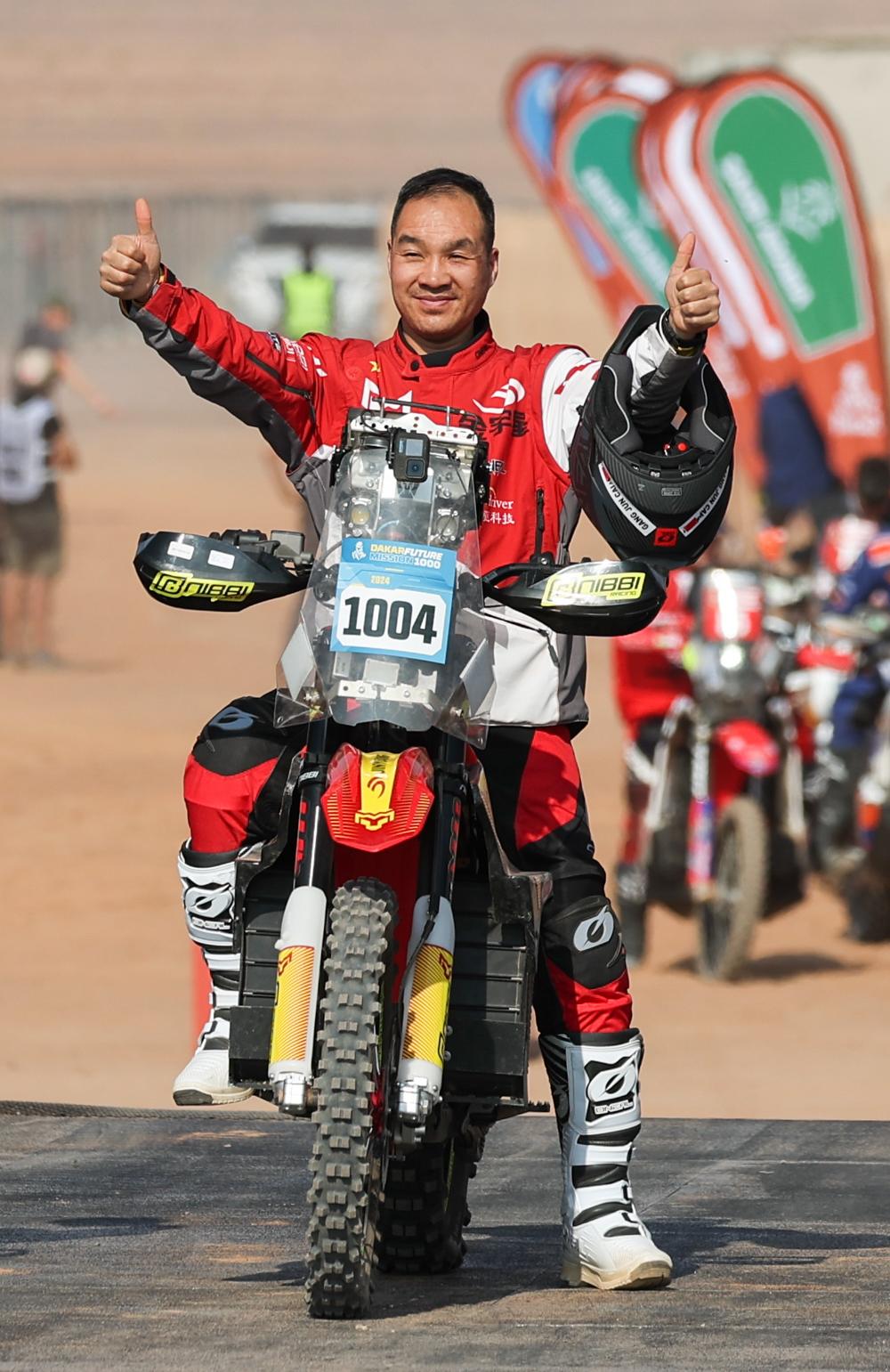

Export E·XE 880 Enduro Electric Dirt Bike: Conquer Any Terrain Worldwide
2026-11-02
The Export E·XE 880 Enduro from Arctic Leopard isn’t just another electric dirt bike—it’s a passport to the world’s toughest trails. Ready to see how it conquers any terrain?
Why the E·XE 880 Enduro Feels Nothing Like a Typical Electric Dirt Bike
Most electric dirt bikes hit you with a wall of instant torque the moment you twist the throttle, then go silent as if the trail suddenly hit mute. That's fun for about ten minutes, but it quickly feels more like riding a power tool than a motorcycle. The E·XE 880 Enduro doesn't erase that electric snap—it reshapes it into a delivery curve that actually communicates with your right hand. You get a hint of "clutch slip" off the line, a building surge through the mid-range, and a soft limiter up top that mimics the way a four-stroke runs out of breath instead of just flatlining.
A big part of the deception comes from the adjustable engine braking and virtual flywheel mass. Where most e-dirt bikes coast with an eerie, disconnected freewheel or slam you forward with aggressive regen, the 880 lets you dial in just enough drag to feel like a big-bore thumper rolling off throttle. It also layers in a subtle, frequency-matched vibration through the bars and pegs—nothing buzzy, just enough to tell your brain there's rotating mass spinning underneath. That tactile noise is what makes it feel alive rather than like a cordless drill with suspension.
Then there's the chassis. Typical electric dirt bikes carry their battery like a suitcase, high and wide, which makes quick direction changes feel top-heavy and unnatural. The 880's pack sits low and forward, mimicking the central mass of a traditional enduro engine, so the bike leans, slides, and recovers like a gasoline bike. The result is a strange but familiar sensation: your ears hear near silence, but your hands, feet, and inner ear all agree you're on a proper dirt bike.
Battery Range That Holds Up When the Trail Gets Nasty
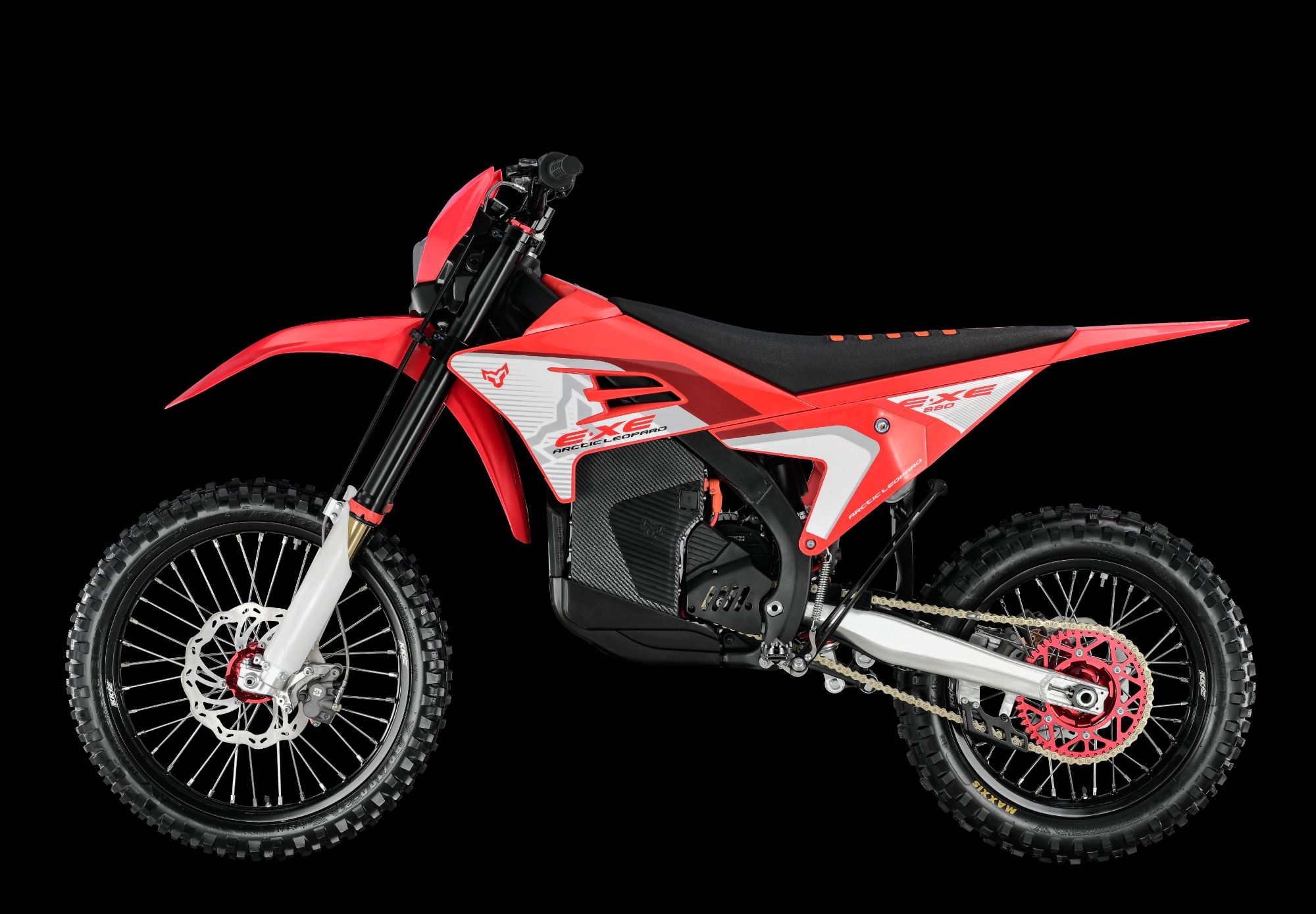
Most range estimates fall apart the moment you leave pavement. On loose rock, wet roots, and sticky mud, the motor works harder just to keep momentum, and that eats into the battery fast. This bike doesn’t pretend those conditions don’t exist. The cell chemistry and discharge curve are tuned to deliver steady voltage even when you’re grinding up a 20-percent grade in slop, so you get real miles instead of a surprise walk home.
What matters isn’t just capacity on paper—it’s how the system behaves under load. Instead of sagging and cutting assist early, the pack holds its line longer, and the controller trims peak draw without making the ride feel gutless. That means you can rely on the top assist mode through rock gardens, deep sand, or half-frozen ruts without watching the range estimate plummet. It’s the difference between a number on a spec sheet and knowing you can finish the loop before dark.
Suspension and Frame Choices Built Around Real Enduro Abuse
Enduro frames rarely die from a single catastrophic hit—they get slowly worked to death. That's why the pivot hardware on this bike uses oversized, double-sealed bearings pressed into threaded alloy inserts, not molded directly into carbon shells. Chasing a creak after a season of wet loam and shuttle-rutted fire roads shouldn't require a bearing puller and a weekend. The rear end runs a clevis-style shock mount with a trunnion spring, which spreads side loads across two bolts instead of one and lets the linkage stay compact without sacrificing stroke. It's the kind of detail you ignore until it saves you.
Suspension tuning leans heavily on mid-stroke support, but not the harsh, spiky kind that comes from cranking compression damping to the max. The leverage curve starts fairly linear, then ramps up hard in the last 25 millimeters of travel, which means you can run softer spring rates up top for grip without blowing through travel on square-edge hits. A piggyback reservoir on the rear shock isn't just for show—it separates nitrogen from oil, keeps the damper oil from aerating on long, brake-dragging descents, and lets high-speed rebound stay controlled when the shock is too hot to touch. Up front, 38-millimeter stanchions and a bolt-on fender mount are less about bling and more about keeping the bushings alive when you're casing into rock gardens at race pace.
After a full season of shuttle laps, enduro stages, and a few misjudged drops to flat, the frame shouldn't need anything beyond fresh grease and maybe a new set of shock mounting bolts. That's the real test: not how it feels on day one, but whether the headset stays tight, the linkage stays silent, and the travel still feels identical after fifty rides. Threaded bottom brackets, replaceable derailleur hangers, and hose guides that don't rattle loose are boring choices on a spec sheet, but they're the difference between a bike that lasts three seasons and one that's for sale by August.
How the 880 Handles Mud, Sand, and Loose Rock Without Flinching
When the trail turns to slop, the 880 doesn't panic. Its drive system constantly shuffles torque away from any wheel that starts to spin, so you keep crawling forward instead of digging four holes. The low-range gearing lets you ease into the throttle without breaking traction, which matters more in mud than raw horsepower.
In sand, momentum is everything, and the 880's traction management reads wheel speed differences fast enough to prevent a sudden bog. The throttle response softens just enough to avoid digging in, while the stability control backs off so the chassis can float over the surface rather than fight it. You can feel the difference on a long dune climb where constant corrections aren't needed.
On loose rock, the 880 relies on long suspension travel and a linear power delivery. The wheels stay planted over basketball-sized cobbles instead of skipping sideways. The underbody protection takes the hits, and the steering stays predictable because the front differential doesn't jerk the wheel out of your hands when a tire catches a ledge.
Export-Ready Specs That Skip the Usual Compliance Headaches
Most export packages leave the factory looking like a rough draft. Engineers end up reformatting data sheets, swapping metric for imperial, or hunting down the right certification language for a specific region. Our specs are built the other way around: the destination market's rules are baked into the export template from the start, so the file you download already matches what your buyer or regulator expects.
That means unit conversions, mandatory declarations, and material restrictions are applied automatically—not left as notes in the margin. If a component isn't accepted in the target country, it's flagged and replaced with a compliant alternative before export. The document also carries a plain-language change log, which makes audits and re-approvals much less painful.
The practical result is that your team spends less time on compliance back-and-forth and more time on actual production. Procurement, legal, and quality control can all work from the same export-ready file without asking for another revision.
Rider-First Details That Make Long Days on the Saddle Less Punishing
Long rides stop being about leg strength after hour four and start being about how well your contact points forgive you. The saddle nose gets a subtle flex zone that doesn't collapse under hard pedaling but eases pressure when you shift back on a climb. Bar tape with a slightly tacky, dimpled surface keeps your grip honest even when sweat soaks through, so you're not death-gripping just to stay connected. Small touches like a 2mm-lower hood profile and a bit more foam under the heel cup in the stock insoles sound trivial on paper, but they stack up into a bike you don't have to mentally negotiate with by mile 80.
The real difference shows in the places you don't think about until they start hurting. The stock saddle's central channel isn't just wider—it's shaped to follow pelvic rotation when you're tucked low for a headwind, which means less numbness without making the nose feel like a plank. Grips get a denser compound on the outside edge where your palm rests during long false flats, softening road buzz without turning mushy when you stand to sprint. Even the lever reach adjustment isn't just a spec-sheet box-tick; it's biased to favor smaller hands by default, so the first thing you don't do is swap out the whole cockpit before a big day.
None of these details scream for attention on a test ride around the block. They're the kind of things you only notice because you didn't notice them—three hours in, when your hands aren't clawed, your sit bones aren't singing, and you can still feel your toes. That's the point. The bike disappears under you not because it's padded to death, but because every touchpoint was tuned for how bodies actually move when fatigue sets in, not how they look in a studio photo.
FAQ
It pairs a high-torque mid-drive motor with a swappable 72V battery, so you get instant throttle response and the ability to ride all day by carrying a spare pack. The frame geometry is tuned for hard enduro, not just casual trail use.
Absolutely. The 880's motor delivers peak torque right off idle, and the suspension has 300mm of travel with adjustable damping to keep the wheels planted on loose rocks and ledges.
Expect roughly 80 kilometers of aggressive singletrack riding or up to 120 kilometers on smoother fire roads. Terrain, rider weight, and throttle style will shift those numbers.
Yes, with the adjustable power maps. You can start in Eco mode with softened throttle response, then unlock Sport or Enduro modes as your confidence builds. The bike doesn't force you into full power until you're ready.
No oil changes, air filters, or carb tuning. You mainly check chain tension, brake pads, and suspension seals. The battery and motor are sealed against mud and water, so you rinse it off after a ride.
Yes, it's built for worldwide shipping with a global charger and regional plug adapters included. Just confirm your local off-road vehicle regulations before ordering.
Conclusion
The E·XE 880 Enduro doesn’t try to imitate a gas-powered dirt bike—it simply builds its own case for why electric makes sense when the trail turns ugly. The torque delivery feels immediate but never twitchy, letting you hold a line through rock gardens without that surge-and-fall you get from lesser e-motos. Range anxiety, usually the first thing riders mention, gets a practical answer here: the battery holds enough charge to keep pushing through deep mud or long sand washes, even when you’re working the throttle harder than normal. The frame and suspension aren’t borrowed from a street bike either; they’re selected to survive real enduro chop, with damping that soaks up square-edged hits and keeps the wheels planted when the terrain gets loose.
Where the 880 really separates itself is in the dull stuff that usually kills an import. The wiring, lighting, and charging hardware are already set up for multiple markets, so you’re not spending weeks tracking down regional compliance fixes. That export-ready build also carries over to the rider touches—the seat foam doesn’t break down after a few hours, the bars and pegs are placed to reduce fatigue on all-day rides, and the controls stay simple enough that you can manage them with muddy gloves. Mud, sand, loose rock—none of it throws the bike off balance, and that consistency matters more than raw horsepower when you’re forty miles from the nearest road. For a dirt bike meant to be ridden anywhere on the planet, the 880 feels less like a compromise and more like the first electric enduro that actually gets the messy parts right.
Contact Us
Contact Person: Jack
Email: [email protected]
Tel/WhatsApp: +86 15657688888
Website: https://www.arctic-leopard.com