

Custom Toilet Trailer Designs That Elevate Any Outdoor Event
2026-11-02
When planning an outdoor event, the smallest details often leave the biggest impression—especially when it comes to guest comfort. Custom toilet trailers have evolved far beyond basic portable restrooms, now offering stylish, fully equipped spaces that can match any event theme. From luxury weddings to corporate gatherings, the right design can transform a practical necessity into a memorable part of the experience. At Oriental Shimao, we understand that every event is unique, and a thoughtfully designed toilet trailer isn't just an amenity—it's a statement. In this guide, we explore creative custom designs that blend functionality with elegance, ensuring your outdoor event stands out for all the right reasons.
A Powder Room on Wheels That Doesn't Feel Like a Compromise
The idea of a powder room on wheels might sound like a concession to limited square footage, but this design proves it can be a deliberate, even luxurious, choice. By leaning into the compact proportions, every surface earns its place: a slim-profile sink with a waterfall faucet, a mirror that plays with depth, and wall finishes that catch light from unexpected angles. The result is a space that feels intentional rather than squeezed, proving that small can be sharper than sprawling.
Movement is part of the charm. A powder room that travels with you—whether in a converted van, a tiny home on a trailer, or a custom coach—demands materials that hold up to vibration and shifting light. Brushed metal fixtures, quartz-composite counters, and marine-grade plywood cabinetry keep their composure mile after mile. Hidden latches and magnetic closures mean nothing rattles, while soft-close hardware adds a quiet sense of refinement that belies the road outside.
What keeps this from feeling like a compromise is the attention to ritual. A well-placed shelf holds a single stem in a weighted vase; a dimmable sconce lets you shift from morning brightness to evening calm. Storage is clever, not cramped—towels rolled into a brass rail, soap on a magnetic dish, a recessed ledge for a phone or a pair of glasses. It’s a reminder that a powder room, even one on wheels, should still feel like a place to pause, not just pass through.
Matching the Trailer to the Barn, the Ballroom, or the Backyard
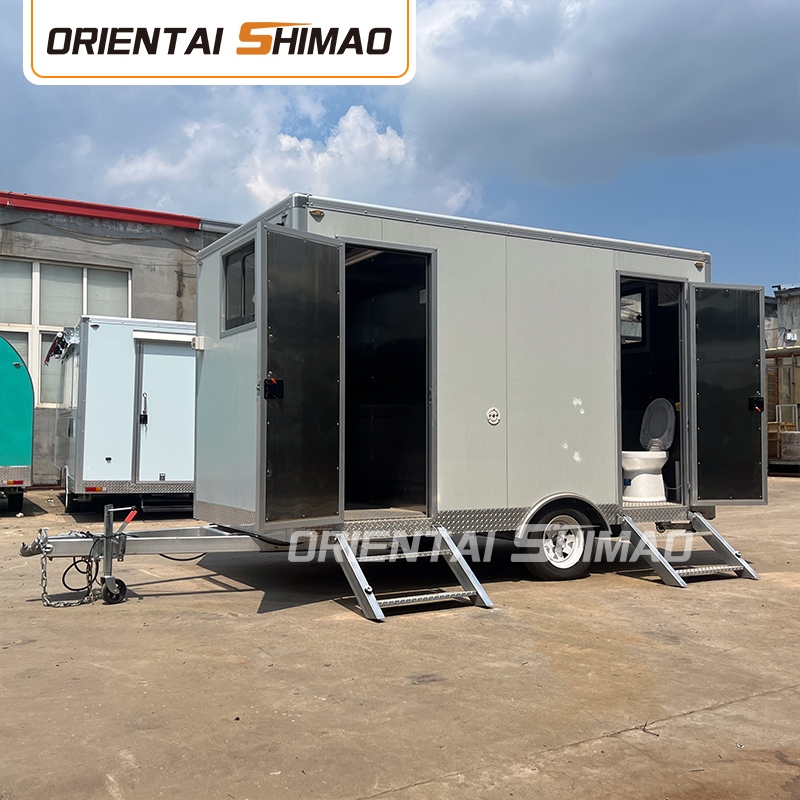
A vintage horse trailer converted into a mobile bar might look right at home next to a weathered red barn, but wheel that same rig into a polished hotel ballroom and the contrast can feel jarring. The setting dictates not just the aesthetic you chase, but the practical features you need. Before you fall in love with a particular trailer, walk the actual venue and note the ground surface, access width, and available power. A backyard wedding on soft grass calls for a lightweight unit with wide tires, while a paved courtyard or indoor space opens up heavier, more elaborate options.
For barn and backyard settings, lean into rustic charm and rugged simplicity. Think galvanized metal, wood siding, or a faded paint job that reads as intentional rather than neglected. These venues often lack dedicated electrical hookups, so a trailer with a quiet inverter generator or a solar-ready setup saves you from running extension cords across a dance floor. Also check door and gate clearances—many rural properties have narrow driveways or low-hanging branches that a tall, boxy trailer can't clear.
When the venue is a ballroom, an art gallery, or a formal estate lawn, the trailer needs to feel like a designed object rather than farm equipment. Smooth, painted surfaces, hidden hinges, and integrated lighting help it blend with upscale surroundings. Here you're more likely to have access to standard outlets and level floors, so you can prioritize interior layout and bar functionality over off-grid survival. The key is not to force a rustic trailer into a sleek space, but to choose or modify the trailer so its character complements the venue's existing lines and materials.
The Details Guests Notice Before They Even Open the Door
Guests rarely ring the bell with a blank mind. Before their finger touches the button, they’ve already registered the weight of the doorknocker, the faint scuff marks on the threshold, and whether the porch light buzzes with a tired filament. A crooked welcome mat or a mailbox stuffed with last week’s flyers can set the tone more than any interior design choice. These small, unspoken details tell a story about the people inside and the kind of visit that’s about to unfold.
Even the sound of the door matters. A solid wood panel that closes with a low, reassuring thud feels different from a hollow core that slams with a tinny rattle. Peeling paint near the handle, a keyhole scratched from years of jiggling keys, or a bell that gives a half-hearted ding all shape that first impression. None of it is deliberate—most hosts never notice these things—but guests absorb them instantly.
The real test comes in those few seconds before the latch turns. A curtain twitching, a dog barking from deep inside the house, or the shuffle of hurried footsteps all prime a visitor for what comes next. People don’t need an open floor plan or a styled entryway to feel welcomed; they just need the small signals right at the door to say, “Someone here expected you.”
Sinks Wide Enough for Flower Arrangements and Cocktail Glasses
There’s something quietly satisfying about a sink that doesn’t force you to angle a vase like a puzzle piece just to rinse it. Wide-basin models—often 30 inches or more across—give you room to set down a heavy glass pitcher, a bundle of stems, or a tray of cocktail glasses without that nervous clink of edges against stainless steel. I’ve used narrower sinks where washing a single hurricane glass felt like surgery; with a broad apron-front or workstation sink, you can actually lay a bourbon glass flat, swirl water around the inside, and set it aside without tipping it over.
For flower arrangements, the advantage is even more obvious. A wide sink lets you fill a tall vase halfway, trim stems under water, and let the clippings float in the basin instead of scattering across the counter. You can prep a full dozen roses, strip lower leaves, and have space to separate the keepers from the compost. Some people even use the basin as a staging area for centerpiece assembly—setting the vase on a folded towel right in the sink so spills and drips stay contained. That’s hard to do when your faucet is hovering over a bowl barely big enough for a cereal dish.
If you entertain often, look for a sink with a flat bottom and squared corners rather than a deep, narrow bowl. That shape holds a cocktail shaker upright, lets you nest glassware for rinsing, and gives you a stable platform for a vase. It’s a small detail, but it changes how the whole kitchen functions—from a quick cleanup after drinks to a lazy Sunday morning spent arranging flowers while the coffee brews.
How a Quiet Generator and Soft Lighting Change the Whole Vibe
It starts with the hum. Not the angry, rattling kind that forces you to raise your voice over a campsite dinner, but a low, almost meditative pulse you can feel in your chest before you even trust it's there. A quiet generator doesn't just power your string lights or charge your phone—it erases the anxiety of being the noisy neighbor, the one everyone secretly wishes had pitched their tent farther away. Instead, you become part of the night's fabric, the gentle mechanical breath blending with wind through pines and the occasional crack of a settling log.
Then comes the light. Soft, warm, diffused through a linen shade or bounced off a reflector disc so it pools around your feet instead of stabbing into the darkness. That kind of lighting does more than help you find the cooler—it narrows the world to a glow you can almost lean into. It makes conversation drop naturally to an intimate register, the way people speak in old libraries or late-night kitchens. You stop performing for the outdoors and start settling into it, noticing the way shadows stretch slowly as the generator's steady current keeps the bulbs from flickering.
Together, they shift the whole emotional weather. A loud generator and a bare bulb scream temporary, utilitarian, a setup designed for survival. But a quiet one and a soft light whisper something different: that you have all night, that no one has to shout, that this little circle of warmth is enough. It's the difference between camping next to a construction site and camping inside a postcard. And once you've felt it—the calm that comes from machinery you don't have to fight, light you don't have to squint against—you'll never go back to the old racket and glare.
Designing for Guests in Heels, Not Just Construction Crews
When the last scaffold comes down and the final coat of paint dries, the real test begins: can a guest in stilettos cross the courtyard without wobbling, or a woman in thin-soled sandals walk from valet to ballroom without catching a heel in a paver gap? Most construction details are approved from waist height, on blueprints, by people wearing work boots. That perspective misses the narrow cracks in stone, the slight lips at thresholds, the give of turf under a pointed heel. A truly finished venue means walking the entire guest route in the shoes your attendees will actually wear, and adjusting joints, grates, and surfaces before opening night.
Beyond safety, these choices shape comfort and confidence. Flat, tightly seamed hardscape lets heels click instead of sink. Rubber or flush-set transition strips at doorways prevent tripping. If a lawn is part of the flow, consider rigid walkway inserts or a dense, low-pile turf alternative that supports a heel rather than swallowing it. The goal isn't to make every surface construction-grade—it's to layer an extra refinement that says the space was thought through from the ground up, for every guest, not just the crew that built it.
FAQ
Instead of thin plastic walls and a chemical smell, you get real flooring, climate control, hot water, and details like framed mirrors or wood-look counters. Guests immediately notice the difference and feel like the host cared about their comfort.
Absolutely. You can pick the color palette, add brass or matte black fixtures, have custom signage on the exterior, and even play a specific playlist through built-in speakers. Some brides request a dedicated vanity area with salon lighting for touch-ups.
A quiet ventilation system, flushing porcelain toilets, soft-close seats, motion-activated faucets, and a separate grooming lounge with a full-length mirror. Air conditioning and subtle fragrance diffusers also help keep the space pleasant on warm days.
A good starting point is two or three stalls per 100 guests if drinks are served, but event length and crowd mix matter. For evening receptions with alcohol, adding an extra unit reduces lines and keeps the vibe relaxed.
Yes, many custom builds include a wider door, low-angle ramp, grab bars, and a fold-down changing table. You can request an ADA-compliant suite that still looks elegant, so no guest feels like an afterthought.
They carry their own fresh water and waste tanks, so they can run off-grid. For longer events, a generator or small external water top-up keeps everything working, while odor-sealing tanks and efficient flush systems prevent any unpleasantness.
Unexpected touches like backlit mirrors, stone countertops, hardwood-style floors, and a stocked hand-care station with lotion and mints make people talk. It signals that every part of the event was intentional.
If guest experience affects your reputation, yes. Fewer complaints, shorter lines, and glowing word-of-mouth usually outweigh the cost. Plus, planners can reuse the same upgraded trailer across multiple events for consistent branding.
Conclusion
When a portable restroom trailer is designed with real intention, it stops being a last-resort bathroom and becomes part of the event's atmosphere. A powder room on wheels can genuinely rival an indoor guest bath when the interior is treated with care — think real countertops, hardwood-style flooring, and full-length mirrors that don't feel like an afterthought. Matching the trailer's exterior and interior finishes to the barn, ballroom, or backyard is equally important; a cedar-clad unit works beautifully at a rustic wedding, while a sleek black trailer with brass fixtures belongs at a modern gala. Guests notice the smallest details before they even open the door, from the quality of the door handle to the soft-close hinges and the subtle scent of cedar or eucalyptus rather than chemical deodorizer.
Function matters just as much as form, and that's where a truly custom design shines. Sinks wide enough to rest a flower arrangement or a cocktail glass make the space feel like a dressing room rather than a utility station. A quiet generator tucked away behind acoustic baffles, paired with warm dimmable lighting, transforms the entire vibe — no more harsh fluorescent glare or the constant rumble of a motor. And designing for guests in heels, not just construction crews, means stable flooring with proper drainage, step-free access, and hooks at the right height for evening bags and shawls. When all these elements come together, the trailer becomes a quiet luxury that guests remember long after the event ends.
Contact Us
Contact Person: Jack Wang
Email: [email protected]
Tel/WhatsApp: 8618306483516
Website: https://www.orientalshimaofoodtruck.com