

Custom Filling Machine Solutions: Tailored to Your Production Needs
2026-06-27
Every production line has its own unique challenges, especially when it comes to filling machines. Off-the-shelf equipment often forces compromises, but what if your machinery could be built around your exact requirements? At INTOP Machinery, we believe that custom filling machine solutions aren't just a luxury—they're a strategic advantage. Discover how tailored engineering can eliminate bottlenecks, accommodate unusual container shapes, handle delicate viscosities, and grow with your business.
Start with Your Production Reality
Your current production setup isn't a limitation—it's the foundation. Before chasing new tools or workflows, take a hard look at what's already in place. The machines, the team's skills, the daily output rhythms: these shape what's possible. Tuning into this reality saves time and surfaces improvements that actually stick. Often, the most impactful changes aren't about adding more but about refining what you already have—cutting redundant steps, adjusting shift patterns, or simply reorganizing materials. Real efficiency starts with honest assessment, not wishful thinking.
Bring every constraint into the light. Material costs, shift bottlenecks, operator habits—they all matter. Document the unpolished truth: how work actually flows versus how it’s supposed to. When you map this out, patterns emerge. Maybe the biggest delay isn't the machine speed but the gap between shifts. Or the real waste isn't scrap but idle time. This ground-level view often contradicts assumptions, but it’s the only way to build solutions that work in your specific environment. No generic advice can substitute for seeing your own production floor clearly.
From this clear-eyed starting point, experimentation becomes practical. Small tweaks—like rearranging a workstation or standardizing a previously improvised step—can lead to outsized gains. The key is to stay rooted in what's actually happening, not what a textbook says should happen. When you solve problems within your actual context, the improvements are immediate and measurable. And most importantly, your team will own them because they were part of the reality from the beginning.
Designing Around Your Unique Workflow
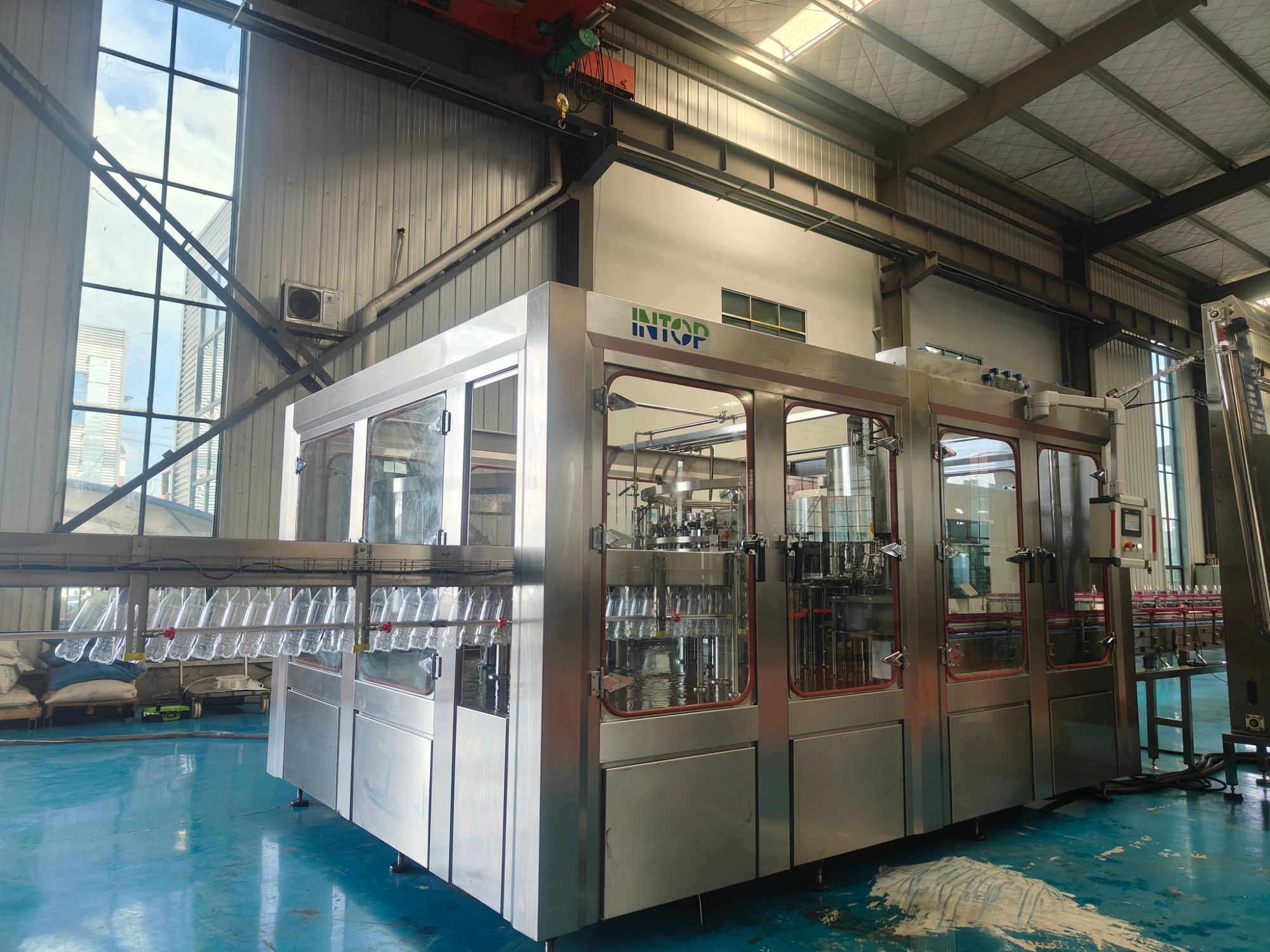
Your workflow isn’t just a list of tasks—it’s a rhythm you’ve refined over time. The challenge is building a system that bends to that rhythm instead of forcing you into a one-size-fits-all mold. Start by mapping out the moments where friction creeps in: perhaps it’s the half-dozen apps you switch between, or the mental overhead of remembering what comes next. Then, design around those edges, chipping away at anything that pulls you out of flow. When your tools and processes mirror the way you naturally think and create, the work itself feels lighter.
Personalization goes beyond picking a color scheme or setting a notification preference. It’s about shaping the environment so your attention lands exactly where it needs to, when it needs to. For some, that means grouping related actions into focused bursts; for others, it’s weaving flexibility into rigid timelines. Pay attention to the small rituals that signal a shift in focus—a certain playlist, the arrangement of your workspace, the way you capture a fleeting thought. These aren’t quirks to suppress; they’re the underpinning of a workflow that works with your mind rather than against it.
The most sustainable workflows leave room for the unexpected. Instead of cramming every minute with intention, design pockets of adaptability. Maybe you reserve a “wild card” block each day, or you build a habit of reviewing and reshaping your process at the end of the week. When the structure itself is flexible, a new tool or an urgent request doesn’t shatter your focus—it simply slides into a space you’ve already carved out. Over time, this approach turns your workflow into a living system, one that evolves as you do, anchored by the way you uniquely navigate the world.
Fill Accuracy Without the Guesswork
There’s a quiet satisfaction in watching a printer handle precise fills without any manual tweaking. No more squinting at fading output or guessing whether the tank has enough ink to finish the job. The technology behind it reads the cartridge levels in real time, adjusting on the fly to keep every page consistent. It’s like having a co-pilot who never second-guesses, just delivers.
Most errors happen when you’re forced to estimate – topping off too soon, or running dry mid-project. But this takes that guesswork off your shoulders. Sensors monitor each micro-deposit, making split-second decisions that match the exact demand of the document. You won’t find muddy text or patchy graphics halfway through, because the system learned early on that precision is cheaper than do-overs.
Even with different paper types or coverage areas, the process stays locked in. It’s adaptable without being fussy, treating a crisp letterhead and a photo-heavy flyer with the same intelligent restraint. The outcome feels almost instinctive – as if the printer knows the difference between a light draft and a final presentation, and fills accordingly. That’s what accuracy without guesswork really means: trusting the tool to get it right, while you focus on what you’re creating.
Handling Every Container You Throw at It
When a new container design rolls into the yard, there’s no scramble to reconfigure or find a workaround. Standard boxes, reefers, and those awkward open-tops with tarps flopping in the wind all get picked up with the same steady rhythm. The grippers do their own thing—scanning the shape, locking onto the right points, moving like they’ve seen it a hundred times before, even if they haven’t.
Weight never throws it off either. An empty aluminum crate slides around just as nimbly as a fully loaded steel beast that’s pushing the limit. The hydraulics don’t jerk or hesitate; they feel the load right away and ease into it, keeping everything level and secure. You’ll see operators leaning back, not sweating the mix, because the machine already sorted it out.
It’s not all muscle, though. Perishables get a gentle touch, and hazmat lids stay shut. Over time, the thing actually gets better—each lift teaches it something, so the next one’s a hair smoother. When the cargo lineup gets weird or a new container spec hits, nobody’s writing up change orders. Just the usual hum, and the next box swinging into place like it belonged there all along.
Smart Features That Simplify Operation
Gone are the days of wrestling with complicated menus and cryptic settings. Our product anticipates your needs with adaptive automation that learns from your habits. It adjusts display brightness for ambient light, switches to silent mode during calendar meetings, and even pre-loads your favorite apps at the times you typically use them—all without a single manual input.
The one-touch shortcuts transform multi-step workflows into instant actions. Customize the side panel to trigger complex sequences: launch navigation and start your commute playlist with a single press, or toggle smart home devices as you leave the house. Voice commands further reduce friction, understanding natural language requests like "make this video full screen and dim the lights" without requiring rigid phrasing.
When you do need to configure something, the intelligent search across settings eliminates digging. Type "warm screen" and it suggests night mode, blue light filter adjustments, and display temperature—contextual results that make setup feel conversational. This blend of proactive assistance and streamlined customization means you spend less time managing the device and more time getting things done.
A Partnership That Adapts Over Time
When we first shook hands, neither of us could have predicted the twists waiting around the corner. The blueprint we drafted back then looked solid, but life has a way of scribbling in the margins. Rather than clinging to that original plan, we learned to read the room—and each other—adjusting our rhythm without losing the harmony. It’s less about rigid commitments and more about a shared willingness to pivot when the ground shifts.
There have been moments of friction, sure—when assumptions clashed and routines felt strained. But those were the times we discovered that flexibility isn’t a sign of weakness; it’s the spine that holds everything upright. By dropping the pretense of having all the answers, we carved out space for honest conversations. That openness turned potential stalemates into springboards, letting us mold the partnership into something that actually fits who we are right now.
The beauty is, we stopped treating change as an intruder. Markets shift, priorities evolve, and personal goals reshape the landscape—so why would a partnership stay frozen? We check in often, not with formal reviews, but with casual, genuine curiosity about where the other stands. That habit keeps us from drifting apart, weaving our separate growth into a single, sturdy thread that bends without breaking.
FAQ
A custom filling machine solution is a packaging system built specifically around your product's characteristics, production volume, and facility layout. Instead of forcing your process to fit a standard machine, engineers analyze your liquid's viscosity, foaming behavior, container shape, and throughput goals to design a filler that integrates seamlessly with your existing line—covering everything from the infeed to capping and labeling.
You'll likely need a custom approach if you're handling a product with unusual properties—like a highly viscous paste, a shear-sensitive cosmetic, or a chunky food item—or if your space is constrained and standard machines won't fit. Other signs include rapidly changing production volumes, frequent changeovers between diverse containers, or the need to automate a manual process that standard equipment can't replicate without compromises.
Industries with niche requirements see the biggest gains: pharmaceuticals requiring precision dosing and cleanroom compatibility, cosmetics with delicate emulsions and unique bottle designs, food & beverage producers dealing with particulates or hot-fill conditions, and chemical companies handling hazardous or foaming liquids. Essentially, any sector where product integrity and speed can't be sacrificed to a one-size-fits-all machine is a prime candidate.
It begins with a deep-dive consultation where we map out your product specs, goals, and facility constraints. Next, our engineers create a 3D concept model and simulate filling cycles to validate performance. After your approval, we build and rigorously test the machine in our facility—often using actual product samples. Once it passes every benchmark, we handle installation, onsite training, and ongoing support to ensure it delivers from day one.
While the upfront cost is higher than a stock machine, the long-term savings usually eclipse that difference. You avoid the inefficiencies of adapting your process to a generic filler—less product waste, fewer rejects, and minimal downtime from changeovers. Plus, a machine designed for your growth can scale throughput without needing a full replacement in two years, making it a smarter capital expenditure for the long haul.
We design reliability in from the start: using proven components like servo-driven pumps and quick-release sanitation connections, simplifying wear-part access, and providing detailed predictive maintenance schedules. Every machine comes with a spare parts kit tailored to its critical components, and our support team stays on call to walk your technicians through troubleshooting or remote diagnostics, often fixing issues before they cause a shutdown.
Absolutely. We engineer modularity into the system from day one. For example, the frame might accommodate additional filling heads, the controls can store dozens of recipes, and conveyor systems are designed for extension. If you later need to handle a new cap size or a different container material, we can retrofit the necessary modules without reinventing the entire line, keeping your investment future-proof.
Conclusion
Every production line has its own quirks, and off-the-shelf filling equipment rarely fits without compromise. That’s why we start by immersing ourselves in your actual production reality—looking at your space constraints, output targets, and existing processes. From there, we design a machine that slots into your unique workflow, not the other way around. Whether you’re bottling viscous sauces or thin, foamy liquids, the fill accuracy is dialed in precisely, eliminating waste and rework. We test with your containers and your products to ensure repeatable results from the first drop to the last, with no guesswork involved.
But a filling machine shouldn’t just handle today’s containers—it should adapt to whatever comes next. Our systems are built to manage a wide range of shapes, sizes, and materials, from glass jars to flexible pouches, without complex changeovers. Smart features like recipe memory and intuitive touchscreen controls make operation natural, reducing training time and operator errors. Beyond the install, this is a long-term partnership: as your production evolves, we’re there to adjust speeds, add capabilities, or reconfigure setups so your investment continues to perform exactly as you need it to, year after year.
Contact Us
Contact Person: Laura
Email: [email protected]
Tel/WhatsApp: +86 13957758832
Website: https://www.intopmachinery.com