

Custom Beverage Production Line Solution: Crafting Your Ideal Drink Manufacturing System
2026-07-09
Imagine a production line that molds itself to your unique recipes, not the other way around. At INTOP Machinery, we believe your beverage manufacturing system should be as distinctive as your brand. Whether you're bottling craft kombucha or canning cold-brew coffee, our custom solutions turn your vision into a seamless reality. Ready to explore how we craft the ideal setup for your drink?
Tailoring Every Stage to Your Beverage Vision
Turning a beverage idea into a market-ready product demands more than a one-size-fits-all approach. Each phase—from concept development and ingredient sourcing to production and packaging—should reflect your specific flavor profile, target audience, and brand identity. By customizing every touchpoint, you avoid the common pitfall of diluted vision, ensuring that the final drink aligns precisely with what you imagined and what your customers crave.
Flexibility in formulation is where true differentiation begins. Whether you're crafting a functional wellness shot with exotic botanicals or a nostalgic sparkling soda, iterative recipe testing allows for adjustments in sweetness, mouthfeel, and shelf stability without compromising on quality. This hands-on collaboration with formulation experts transforms rough sketches into a distinctive sensory experience, setting your beverage apart in crowded coolers and menus.
Beyond the liquid itself, a tailored approach extends to co-packing and logistics. Selecting the right manufacturing partners who can accommodate small-batch experiments or unique packaging formats gives you the agility to test markets with minimal risk. This seamless integration of creative and operational stages builds a cohesive story around your product, turning every element into a deliberate expression of your vision rather than an afterthought.
Engineering Flexibility into Your Production Workflow
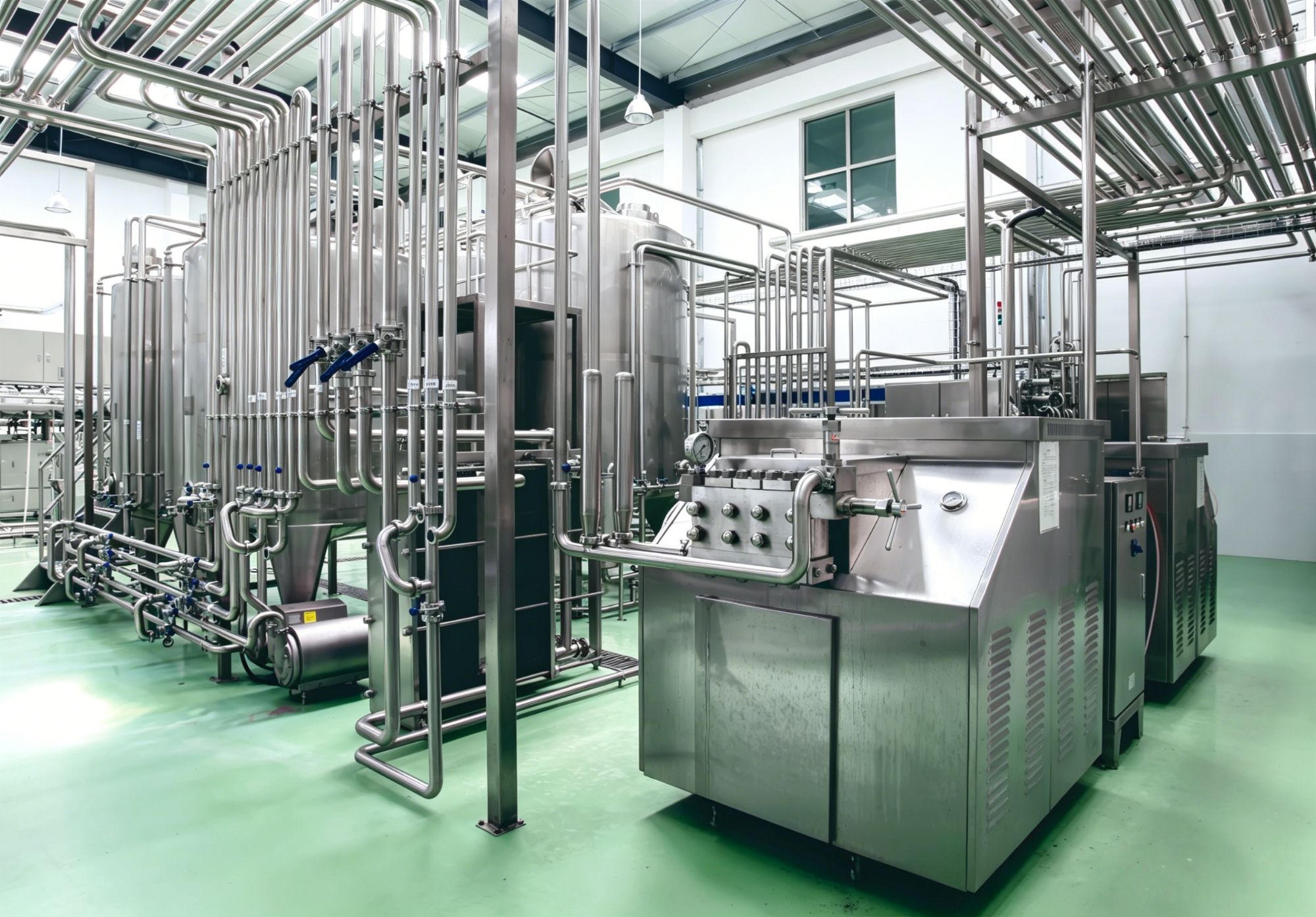
Machines don’t think—yet—so hardcoding every step of a production line often forces you into rigid paths that buckle under real-world chaos. Flexibility starts with questioning the “one correct sequence” assumption. Instead of prescribing exactly how a job moves from station A to B to C, define what needs to happen, and let the system route it on the fly, weighing current queue lengths, machine health, and even operator availability. This shift from imperative to declarative workflow definition is where real agility begins.
Material flow isn’t just about speed; it’s about absorbing variability without spreading panic. Buffer placements that act like elastic cushions, rather than fixed-capacity buckets, let small surges self-correct. Pair that with tooling and fixtures that swap out in minutes, not hours, and you stop treating changeovers as interruptions—they become just another state the line handles gracefully. Even seemingly trivial choices, like standardized quick-connect plates for end-of-arm tooling, can collapse path dependencies that used to lock you into yesterday’s priorities.
The human element often gets forgotten once automation enters the conversation. But truly flexible production leans on people who can re-prioritize when sensors miss the subtleties. Give your team override authority that nudges the schedule without ripping it apart, and pair it with visual cues that make system intent obvious. When operators understand why a job is being routed a certain way, they’re more likely to spot the exception that improves your logic for next time. That feedback loop—between what the system models and what the floor knows—keeps flexibility from rotting into another rigid rulebook.
Precision Automation That Adapts to Your Recipes
Every recipe tells a story, and our automation respects that story by learning how you cook, not the other way around. Instead of forcing you into rigid presets, the system reads subtle cues—moisture levels, browning intensity, even the way aromatics bloom in oil—and adjusts heat, timing, and steam in real time. So that custard that usually splits if you look away? It stays silky. The risotto that demands constant stirring? It stirs itself, knowing exactly when to add the next ladle of stock.
What sets this apart is its refusal to treat all recipes as interchangeable. A delicate poach and a fierce stir-fry share nothing except a kitchen, and our machine understands that. It distinguishes between a sauce that needs to thicken slowly and a broth that must never boil, adapting its behavior without you having to program a single parameter. The food comes out tasting like you were standing over it—because in a way, you were, just without the hovering.
Behind the scenes, a network of sensors and a quiet learning engine build a profile of your favorite dishes. The first time you make your grandmother's pho, it pays attention; the second time, it already knows that the charred ginger goes in early and the fish sauce waits until the end. That kind of nuance is usually reserved for experienced cooks, but now it lives in your countertop, ready whenever you are.
Quality Control Woven Seamlessly into Each Step
Rather than treating quality checks as a final hurdle, we embed them into the rhythm of production from the very beginning. Each phase—whether it’s material selection, assembly, or finishing—includes real-time inspections carried out by the same teams responsible for the work. This approach turns quality into a shared instinct, not a separate checklist, catching inconsistencies long before they become problems.
Our manufacturing floor operates on a simple principle: the next station is the customer. Every operator knows what excellence looks like for the stage they receive and the stage they pass on. By building immediate feedback loops into the process, we eliminate the need for bloated end-of-line corrections. The result is a smoother, more nimble workflow where defects become rare and corrections happen on the spot.
Scaling Up Without Sacrificing Craft Character
Growing bigger doesn't have to mean losing the human touch that made your work special in the first place. The real challenge isn't adding more hands or buying faster tools—it's keeping the heart of the craft alive while the scale shifts beneath your feet. Every extra layer of process can quietly sand away the quirks and care that customers notice. The trick is to lock in what makes your product feel personal before growth starts rewriting the rules.
Some worry that scale forces a trade-off between warmth and output. But I've seen teams hold onto their soul by treating their core principles like an unbreakable scent, not a line on a whiteboard. It means training people not just to repeat steps, but to understand why each step matters—and giving them permission to pause when something feels off. That kind of judgment doesn't scale on paper, but it echoes through every batch if you protect it early.
Instead of shrinking the craft to fit the machine, stretch the machine around the craft. Slow down where it counts, automate only what never benefits from a human eye, and celebrate the small imperfections that remind people a real person stood behind the work. When done right, scaling up becomes less about making more and more about making things right, over and over, without losing the character that started the whole journey.
From Concept to First Run: A Collaborative Approach
Bringing an idea to life rarely happens in isolation. It starts with a spark that needs to be shared, shaped, and refined through dialogue. A collaborative approach means inviting diverse perspectives early—developers, designers, stakeholders—so that the vision is understood from all angles. This shared ownership prevents misalignment and builds a strong foundation before a single line of code is written.
As the project moves from sketches to prototypes, collaboration deepens. Regular check-ins and honest feedback help spot issues that might otherwise derail progress. The first run isn't just a technical milestone; it's a moment of collective achievement. When the team sees a working version emerge from months of conversation and iteration, it reinforces the trust and creativity that made it possible. This journey proves that the best results come from working together, not in silos.
FAQ
It spans everything from initial concept to full installation—machinery tailored to your recipe, layout design, automation controls, and even post-launch tweaking. Think of it as a complete manufacturing system built around your specific drink, not a one-size-fits-all kit.
Standard equipment forces you to adapt your process to the machine. A custom solution flips that—the line is designed around your unique ingredients, bottle shape, production volume, and facility constraints. It’s like having a suit made to measure versus altering an off-the-rack one.
Pretty much anything pourable—sparkling juices, dairy-based drinks, cold brew coffee, kombucha, functional shots, you name it. The engineering adapts to viscosity, carbonation, particulate content, and packaging style, so you’re not boxed into one category.
Absolutely. We build in modularity from the start—extra filler stations, faster conveyors, or tank expansions can be added without a full rebuild. It’s about future-proofing your investment so you’re not ripping things out when demand spikes.
Timelines vary, but typically we go from first sketch to first bottle in 4–8 months. Factors like supply chain lead times and your site readiness play a role, but we front-load the design phase to shave weeks off later stages.
Because every component is picked and tuned for your exact process, there’s less strain on parts, fewer adjustments, and smoother startups. Plus, you get direct access to the engineers who designed it when you need support, not a generic helpline.
Yes—ongoing support and optimization are part of the deal. We’ll monitor performance data, suggest tweaks, and be there for breakdowns or product changes. It’s a partnership, not just a transaction.
Conclusion
A truly effective beverage production line doesn't start with off-the-shelf machinery. It begins by understanding your specific goals—whether that's a sparkling botanical infusion, a dairy-based protein shake, or a still juice blend. Every stage, from initial mixing to final packaging, is shaped around that vision. This means rethinking the workflow so equipment can handle multiple recipes without long changeovers or wasted batches. Compact layout designs keep delicate ingredients moving gently, while automated dosing and blending systems adjust instantly to formulation shifts. Rather than forcing your recipe to fit limited hardware, the line itself becomes a responsive platform. Precision controls maintain exact temperatures, pressures, and timings that each drink demands. Even the filling and capping stations adapt to different bottle shapes and closure types without manual re-tooling. By engineering adaptability directly into the line, you're not locked into a single product—you gain the freedom to experiment with seasonal offerings or respond to market trends without costly downtime.
Quality assurance isn't a separate checkpoint at the end—it's embedded throughout the entire process. In-line sensors monitor pH, carbonation, and fill levels continuously. If a batch starts to drift outside the defined parameters, the system makes micro-corrections before it becomes a problem. When it's time to grow, scaling up doesn't require abandoning the craftsmanship that makes your beverage unique. The same subtle botanical notes or mouthfeel characteristics are preserved, only now at higher volumes. This is possible because every expansion starts with pilot runs that validate production methods at small scale before full commissioning. Collaboration with engineers who treat your project as a partnership—not just a sale—means the line evolves with your ambitions. Detailed testing, operator training, and ongoing remote support keep the line running smoothly long after start-up. The result is a system that feels custom-built because it is—matching your brand's personality while delivering consistent, high-quality bottles or cans every day.
Contact Us
Contact Person: Laura
Email: [email protected]
Tel/WhatsApp: +86 13957758832
Website: https://www.intopmachinery.com