
Cost-Effective Sanitary Pad Manufacturing Machine: Affordable Production Solutions for Hygiene Products
2026-03-06
In the ever-evolving world of hygiene product manufacturing, affordability and accessibility often seem at odds with quality and efficiency. Yet, what if there were a way to bridge this gap—not just for large corporations but for entrepreneurs and innovators seeking to make a real difference in women’s health globally? Introducing the cost-effective sanitary pad manufacturing machine, a game-changer designed to revolutionize how we think about producing essential hygiene items. At Womeng, we understand that empowering communities starts with providing practical, scalable solutions. This blog dives into how affordable production technology can transform the landscape of menstrual hygiene, offering insights that will inspire you to explore new possibilities and take action. Ready to discover how simple machinery can lead to profound impact? Let’s get started.
Exploring Budget-Friendly Sanitary Pad Production Equipment
When diving into the world of sanitary pad manufacturing, finding cost-effective equipment is crucial for startups and small businesses aiming to enter the market without breaking the bank. Budget-friendly options typically include semi-automatic or entry-level automated machines that offer essential functionality such as forming, cutting, and packaging at a lower investment. These machines may operate at slower speeds than high-end models but are designed for efficiency, allowing producers to create quality products while keeping initial costs manageable. It's important to look for equipment that balances affordability with durability, as this can reduce long-term maintenance expenses and ensure a smoother production process.
To make the most of budget-friendly equipment, consider factors like versatility and ease of use. Some machines offer modular designs that can be upgraded as your business grows, such as adding features for different pad sizes or absorption levels. Manufacturers often provide training and support, which helps operators quickly adapt without extensive technical knowledge. Additionally, sourcing equipment from reputable suppliers can lead to better reliability and access to spare parts, minimizing downtime. By focusing on these aspects, you can set up a production line that delivers consistent results while staying within a tight budget.
In exploring options, don't overlook the environmental and economic benefits of used or refurbished equipment, which can significantly cut costs while still meeting production needs. Look for machines that are energy-efficient and use minimal raw materials to further reduce operational expenses. Ultimately, successful budget-friendly production hinges on careful planning and selecting equipment that aligns with your target market's demands, enabling you to compete effectively without compromising on quality or sustainability.
Key Features for Efficiency in Hygiene Product Manufacturing
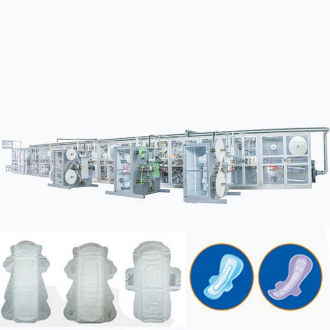
Manufacturing hygiene products efficiently requires smart solutions that cut waste and boost output. Many companies are now turning to advanced machinery, like automated packaging systems that reduce manual handling and speed up production lines. This shift not only saves time but also minimizes human error, ensuring products meet strict standards consistently. By investing in these technologies, manufacturers can respond faster to market demands while maintaining high quality.
Another key feature is streamlined workflows, which integrate real-time data monitoring to optimize every stage from raw material processing to final distribution. Using sensors and AI-driven analytics, factories can predict maintenance needs and avoid costly downtimes. This proactive approach helps maintain a steady flow, preventing bottlenecks that often slow down traditional methods. The result is a more resilient operation that adapts quickly to changes in supply or demand.
A standout aspect in this field is the emphasis on eco-friendly practices, such as recycling water and using biodegradable materials, which not only align with sustainability goals but also lower operational costs. These innovations distinguish brands by appealing to environmentally conscious consumers, setting them apart in a crowded market. By prioritizing efficiency through green initiatives, companies can build a stronger reputation and drive long-term growth.
How Affordable Machines Support Small-Scale Operations
In today's economy, small-scale operations thrive by leveraging affordable machinery that slashes startup costs and simplifies entry barriers. Unlike bulky, expensive equipment of the past, modern tools—like compact 3D printers or budget-friendly CNC routers—allow entrepreneurs to produce high-quality goods without draining capital. This democratization of technology empowers individuals to test ideas and scale gradually, fostering innovation in niches from craft brewing to bespoke furniture making.
Beyond initial savings, these machines offer operational flexibility that’s crucial for adapting to market shifts. Affordable options often come with user-friendly software and modular designs, enabling quick adjustments for custom orders or seasonal demands. For instance, a small bakery might use an inexpensive dough mixer to experiment with new recipes, while a freelance designer could employ a low-cost laser cutter for rapid prototyping. This agility helps small businesses stay competitive without hefty investments.
Moreover, affordable machines enhance sustainability by reducing waste and energy use, appealing to eco-conscious consumers. Many are built with efficient components that lower long-term running costs, from solar-powered irrigation pumps for urban farms to energy-saving sewing machines for apparel startups. By integrating such tools, small-scale operations not only cut expenses but also align with broader trends, building loyal customer bases through responsible, innovative practices.
Enhancing Product Quality with Cost-Saving Technology
In today's competitive market, balancing high product quality with cost efficiency can seem like a daunting challenge for many manufacturers. However, advancements in cost-saving technologies provide a practical solution by streamlining production processes without compromising on excellence. For instance, automated precision tools and real-time monitoring systems reduce material waste and human error, leading to more consistent and reliable outputs. This not only cuts down expenses but also ensures that every unit meets strict quality standards, making it easier for businesses to maintain a strong reputation while managing budgets effectively.
A key aspect of this approach is the integration of smart analytics and predictive maintenance into manufacturing lines. By leveraging data-driven insights, companies can identify potential defects or inefficiencies early on, allowing for proactive adjustments that prevent costly recalls or downtime. Such technologies enable a more agile production environment where quality checks are embedded throughout the cycle, rather than being added as an afterthought. As a result, firms can deliver superior products while minimizing overhead, giving them a distinct edge in markets where consumers demand both affordability and reliability.
Ultimately, adopting cost-saving technology fosters a culture of continuous improvement, where innovation drives both quality enhancement and financial savings. Industries ranging from electronics to consumer goods have seen tangible benefits, such as extended product lifespans and reduced environmental impact through optimized resource use. By viewing cost reduction as an opportunity rather than a compromise, organizations can achieve a sustainable competitive advantage, ensuring they not only meet but exceed customer expectations in an ever-evolving marketplace.
Streamlining Processes for Sustainable Pad Production
In the world of pad manufacturing, streamlining processes isn't just about cutting costs or speeding up output—it's a strategic shift toward more thoughtful, eco-friendly production. By optimizing every step, from material sourcing to final assembly, companies can significantly reduce waste and energy consumption without sacrificing quality. This approach transforms traditional workflows into agile systems that adapt to environmental standards, making sustainability an integral part of daily operations rather than an afterthought.
Imagine a production line where each component is carefully selected for minimal environmental impact, such as organic cotton or recycled materials, integrated seamlessly through automated systems designed to minimize errors. This streamlined model fosters innovation, encouraging teams to experiment with cleaner technologies and circular economy principles. It's not just about doing less harm; it's about creating pads that are durable, comfortable, and kind to the planet, built through a process that values efficiency and responsibility equally.
Ultimately, streamlining for sustainable pad production redefines success in the industry, focusing on long-term benefits over short-term gains. By embracing these refined methods, manufacturers can offer products that resonate with eco-conscious consumers, setting new benchmarks for ethical production. This journey toward streamlined sustainability isn't a one-size-fits-all solution—it's a continuous evolution, driven by a commitment to better practices and a healthier world, one pad at a time.
Innovative Solutions to Reduce Manufacturing Expenses in Hygiene
In the competitive hygiene sector, cutting production costs without compromising quality isn't just a goal—it's a survival tactic. Forward-thinking companies are embracing smart automation and AI-driven systems to streamline processes, from material handling to packaging, slashing labor expenses and minimizing human error. By integrating IoT sensors for real-time monitoring, manufacturers can predict maintenance needs and optimize energy usage, turning operational data into direct savings.
Material innovation plays a pivotal role in cost reduction. Many are shifting to sustainable, lightweight alternatives that not only lower raw material costs but also reduce shipping weights and environmental impact. For instance, advanced bio-based polymers or recycled fibers can offer comparable performance at a fraction of the price, while circular economy models encourage reuse of by-products, transforming waste into value.
Beyond tech and materials, rethinking supply chain logistics through localized sourcing and on-demand production can drastically cut transportation and storage expenses. Collaborative platforms that connect manufacturers with local suppliers enhance agility and reduce lead times, ensuring that cost-efficiency is woven into every stage of the hygiene product lifecycle.
FAQ
It provides an affordable production solution for manufacturing hygiene products like sanitary pads, making it accessible for small to medium businesses.
By utilizing efficient design and streamlined processes, it reduces operational costs while maintaining high-quality output.
Primarily sanitary pads, but it can also be adapted for similar absorbent hygiene items with minor adjustments.
Yes, it's designed to be user-friendly and scalable, catering to both startups and established businesses looking to expand their product lines.
Its compact design, low energy consumption, and modular components allow for easy maintenance and customization, enhancing overall cost-effectiveness.
By lowering production costs, it enables manufacturers to offer affordable sanitary pads, thereby increasing availability in underserved markets.
Comprehensive training, technical assistance, and spare parts are provided to ensure smooth operation and minimize downtime.
Yes, it's designed with compatibility in mind, allowing seamless integration to enhance existing manufacturing setups without major overhauls.
Conclusion
Exploring Budget-Friendly Sanitary Pad Production Equipment reveals how modern innovations are reshaping hygiene product manufacturing by making it accessible even for smaller operations. These machines are engineered to process materials more efficiently, reducing waste and initial investment costs. By integrating smart technology and streamlined processes, manufacturers can produce high-quality pads while keeping expenses manageable, ultimately supporting sustainable production practices and enhancing affordability for consumers in need.
Key Features for Efficiency in Hygiene Product Manufacturing include advanced control systems that monitor production in real-time, ensuring consistency and minimizing errors. Affordable machines support small-scale operations by offering modular designs that can be scaled as demand grows, allowing entrepreneurs to enter the market with lower risks. Innovative solutions to reduce manufacturing expenses, such as energy-efficient components and reusable materials, further cut costs. This focus on cost-saving technology not only improves product quality but also contributes to environmental sustainability, making these machines ideal for budget-conscious producers aiming to make a positive impact.
Contact Us
Contact Person: Jessie Lai
Email: [email protected]
Tel/WhatsApp: 86-188594442931
Website: https://www.wm-machinery.com