

Concrete Reclaimer Supplier: Essential Guide to Quality and Reliability
2026-08-08
Choosing the right concrete reclaimer supplier can make or break your operation’s efficiency and sustainability. With so many options on the market, how do you cut through the noise and find a partner that truly delivers quality and reliability? This guide breaks down what matters most—from recovery rates to build durability—so you can make a confident decision. When performance counts, industry leaders like Sinou set the standard, but understanding the key evaluation criteria will help you spot genuine value wherever you look. Let’s dive into the essentials.
What to Look for in a Concrete Reclaimer Supplier
A supplier's track record often speaks louder than any sales pitch. Look for concrete reclaimer manufacturers who have been in the industry long enough to understand the nuances of aggregate recovery and water recycling. Real-world performance data, case studies from similar operations, and direct client references can reveal how their machines hold up under constant use. You want a partner who has seen various site conditions and can anticipate challenges before they arise, not just someone who ships equipment and disappears.
Beyond the hardware itself, the quality of support you'll receive matters enormously. Ask pointed questions about their response times for troubleshooting, availability of wear parts, and whether they offer on-site training during commissioning. A supplier that stocks critical components locally or provides detailed maintenance documentation saves you from extended downtime later. Also, pay attention to how they handle customization—ready-mix operations rarely match textbook setups, so the willingness to adapt hopper layouts or pump capacities to your existing workflow is a telling sign.
Material quality and water clarity targets shouldn't be taken for granted. Request samples of reclaimed aggregates and recycled water from their installations that match your production volume. The best suppliers will walk you through the entire separation process and explain how their design reduces fine particle carryover or sludge buildup. Scrutinize the build details too: heavy-gauge steel, protected bearings, and well-sealed electrical enclosures indicate a machine meant for harsh concrete environments, not a lightly built unit that will corrode and fail prematurely.
Key Features That Define a High-Quality Reclaimer
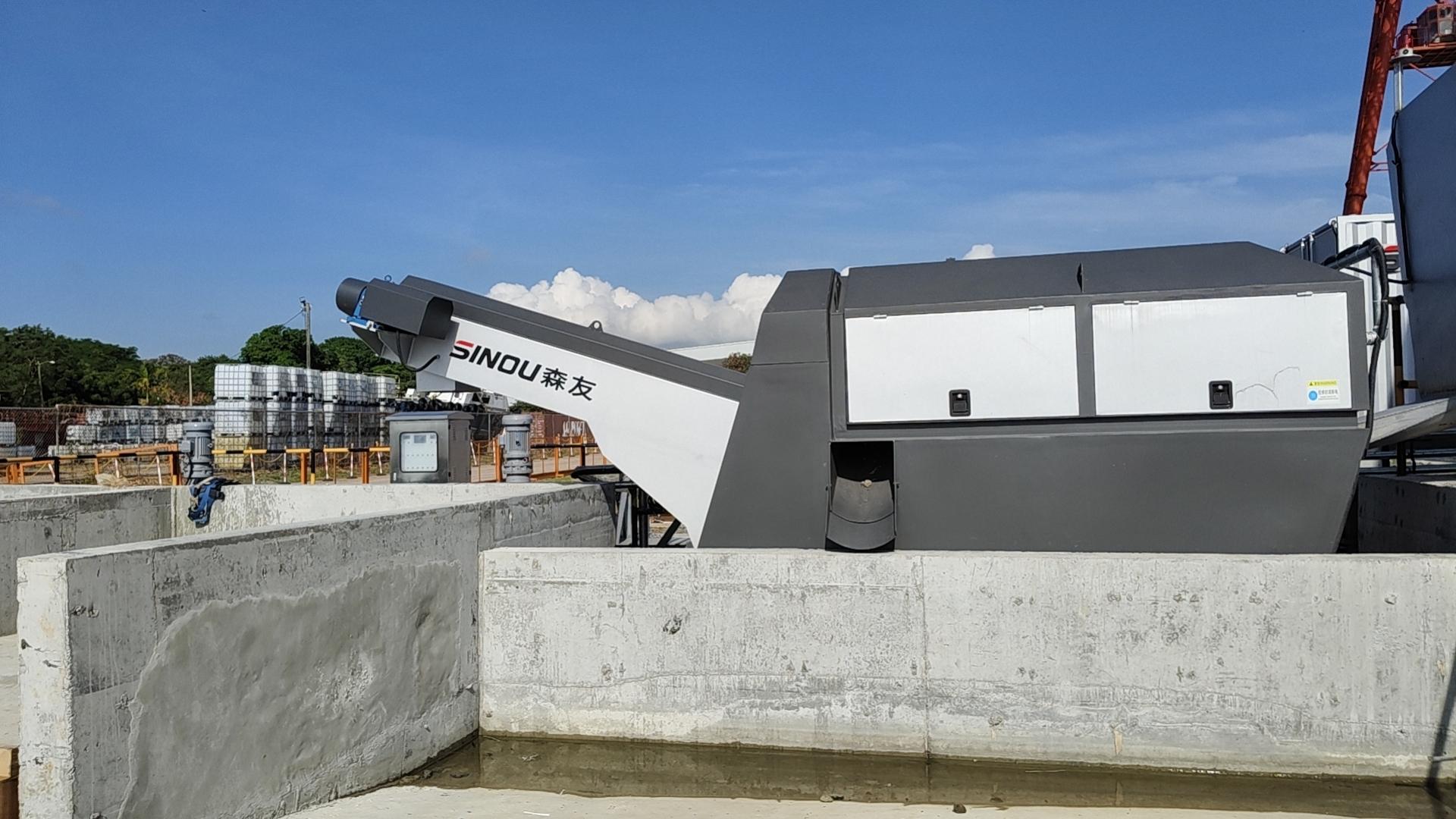
A top-tier reclaimer doesn’t just move material—it reshapes how you think about efficiency. The rotor design, for instance, should feel almost intuitive, biting into the pile with a rhythm that minimizes both dust and fuel burn. You’ll notice the difference in how it handles tough, compacted feedstock without the usual shudder or strain, turning what used to be a bottleneck into a smooth, continuous flow.
Look beyond the spec sheet and pay attention to the details that matter during long shifts. An intelligently positioned operator station cuts fatigue by keeping vibration and noise at arm’s length, while automated controls adapt to changing pile conditions without constant manual tweaking. When maintenance does come due, clever access points and modular wear parts mean you’re back up and running before the coffee gets cold—no special tools, no gymnastics.
The real test of quality, however, is how well the machine reads the yard. A high-grade reclaimer uses sensor feedback and machine learning to adjust drum speed, travel pace, and slewing angles on the fly. This isn’t just about pushing more tons per hour; it’s about delivering a consistent blend to the conveyor, rain or shine, without the driver having to second-guess every pile. That’s the kind of reliability that quietly reshapes your whole operation’s rhythm.
How to Assess Supplier Reliability Beyond the Sales Pitch
When you're sitting across from a supplier who's promising on-time deliveries, top-tier quality, and unbeatable support, it's easy to get swept up in the show. But the real story often lives in the quieter corners—the financial statements, the factory floor, the conversations with people who aren't in the sales room. Asking for audited financials isn't just due diligence; it's a window into whether they can weather a storm without passing the cost onto you.
Go beyond the polished references they hand you. Ask for a few they didn't initially offer, especially ones who might have had a bumpy ride and then came back for more. And if you can, visit unannounced—or have someone local do it. You'll see the rhythm of the place when nobody's expecting company: are safety protocols actually followed, or are they just for show? Is the inventory real and moving, or is it gathering dust?
Don't underestimate the power of informal check-ins with their logistics partners or even other companies in their industrial park. People talk. A quick call can reveal if deliveries really leave on time or if there's a habit of last-minute excuses. Reliability is rarely about the big promises—it's in the small, everyday consistencies that a sales pitch will never cover.
The Overlooked Role of After-Sales Support
Most businesses pour their energy into the initial sale, crafting perfect pitches and seamless checkout flows. Yet, it’s what happens after the transaction that often quietly shapes a customer’s lasting impression. When a product arrives with a cryptic manual or a service leaves you stranded with an unanswered question, the initial excitement evaporates fast. After-sales support isn’t just a helpline buried in a website footer—it’s the moment of truth that turns a one-time buyer into someone who genuinely trusts your brand, or sends them straight into the arms of a competitor who bothered to care.
The real magic of after-sales support lies in its ability to uncover what your front-line sales data never shows. Picture a customer wrestling with a feature everyone assumed was intuitive, or discovering a hidden use case your engineers never imagined. Those conversations—when handled with genuine curiosity instead of a scripted apology—become free R&D insights. Companies that treat support interactions as valuable signals rather than cost centers often find themselves fixing issues before they escalate, and even anticipating needs the market hasn’t articulated yet. It’s a quiet competitive advantage that doesn’t shout in ad campaigns but hums steadily in loyalty rates.
Calculating the True Cost of Ownership for Reclaimers
Many fleet managers focus solely on the sticker price when evaluating reclaimers, but that initial figure often masks the real financial picture. The true cost of ownership stretches far beyond the purchase order, weaving in fuel or energy consumption, routine maintenance, unexpected repairs, and even operator training. To get an accurate forecast, you need to map out every expense over the machine's expected lifespan—typically five to ten years—and then divide that total by the hours it will actually run. Only then can you see whether a seemingly cheaper model will quietly drain your budget through frequent downtime and inefficient performance.
Beyond the obvious line items, hidden costs like parts availability, resale value, and adaptability to evolving job site needs can make or break your return on investment. A reclaimer that demands rare, imported components might sit idle for weeks, eroding profit margins while a more common machine stays in the field. Similarly, a unit with a strong secondary market can soften the blow of depreciation when you're ready to upgrade. Smart buyers also weigh how well the equipment handles diverse materials—switching from asphalt to concrete without a costly refit keeps the work flowing and the ledger healthy.
To truly compare options, create a spreadsheet that captures acquisition cost, projected fuel use, scheduled service intervals, estimated repair frequency, and expected downtime. Then, factor in less tangible elements like manufacturer support and warranty responsiveness. A reclaimer with a sterling service network might cost a bit more upfront but could save you from catastrophic delays. This kind of honest, hour-by-hour accounting turns a vague purchase decision into a clear strategic move, ensuring your next reclaimer pays for itself instead of becoming a financial anchor.
Real-World Insights: When Quality and Reliability Intersect
In the field, the divide between a product that simply works and one that endures often comes down to how well its design accounts for unpredictable real-world conditions. Quality and reliability are frequently tossed around as interchangeable terms, but their intersection reveals a more nuanced story: quality is about meeting specifications today, while reliability is about sustaining that performance over time. Consider a sensor deployed in a remote agricultural monitoring station. It might pass every factory test with flying precision, yet still fail within months when exposed to dust, temperature swings, and vibration that weren't fully captured in the validation plan. True confidence emerges only when quality checks are informed by deep operational data—where lab results meet the messy reality of long-term use.
Bridging this gap requires more than robust design reviews; it demands a feedback loop that turns field failures into actionable engineering intelligence. One effective approach is to embed diagnostic traces in products so that when a unit does fail, teams can reconstruct the chain of events rather than guessing at root cause. For instance, a manufacturer of power tools discovered that a batch of motors passed every end-of-line test but suffered early bearing wear in cold climates. The insight came not from the test bench but from warranty returns cross-referenced with regional weather data. By marrying statistical reliability analysis with on-the-ground service reports, they refined their screening to catch a subtle lubrication issue that only manifested under specific conditions. This kind of cross-pollination between disciplines—quality engineering, field service, and data science—is where reliability theory stops being an academic exercise and starts delivering genuine durability.
The most resilient organizations treat every field incident as a chance to recalibrate their entire development cycle, from component selection to end-of-line auditing. Instead of merely fixing the immediate problem, they ask what process blind spot allowed it to escape. A medical device company, after experiencing intermittent connectivity drops in a patient monitor, traced the issue to a connector that passed all incoming QC tests but degraded when exposed to repeated sterilization cycles in certain hospitals. The solution wasn't just a tougher connector; it was a revised supplier audit that now includes accelerated-life testing mirroring the harshest cleaning protocols seen in the field. Such stories underscore that the intersection of quality and reliability is not a static checkpoint—it's a continuous conversation between the product and its environment, mediated by curious engineers who refuse to mistake a clean test report for invincibility.
FAQ
A concrete reclaimer is a machine that washes out leftover concrete from mixer trucks and separates the aggregate, sand, and water for reuse. It's not just about recycling—it's about slashing waste disposal costs and keeping your site cleaner. A reliable supplier matters because a poorly built unit will break down when you need it most, leaving you with a mess of slurry and angry drivers. The right partner ensures the equipment handles your daily volume without constant tinkering.
Look beyond glossy brochures. Do they openly share material specs, like the steel grade and bearing types? Will they let you visit an installation nearby to see the machine in action? A quality-focused supplier doesn't hide behind jargon—they'll walk you through the design choices and admit where they cut no corners. Also, check how long they've been doing this and whether their engineers actually understand concrete plant workflows, not just the theory.
Start with the drum or screw mechanism—if it's thin-gauge steel, you'll patch holes every few months. Look for a robust drive system with minimal exposed chains or belts that can gum up with wet aggregate. A smart water management setup is a must; it should recirculate cleanly without clogging. Don't overlook simple things like access panels for cleaning—if you can't reach inside easily, maintenance will get skipped. And ask about their seal design against abrasive slurry.
Plenty. If they dodge questions about lead times or can't give you a straight answer on spare parts availability, walk away. A vague warranty with tons of fine print is another—good suppliers stand behind their frame and major components without weasel clauses. Be wary of 'custom solutions' that are really just one-offs they've never built before. Also, if their sales pitch leans too heavily on price instead of durability, they're probably selling disposable machines.
The difference is night and day. A machine with a hot-dip galvanized frame and stainless steel in high-wear areas will survive years of caustic concrete slurry without crumbling. Cheap powder coating? It'll rust through in months. The mass of the structure also damps vibration, which stops microfractures. Even the type of motor and gearbox matters—off-the-shelf light-duty units fail fast under the stop-start abuse of reclaiming. Invest in industrial-grade guts, not just a shiny exterior.
Absolutely, and this often separates the pros from the box-movers. They should send a technician to supervise the install or at least provide detailed, plant-specific drawings you can hand to your contractor. After the sale, you want a direct line to someone who knows your machine, not a call center. Ask upfront about response times for breakdowns and whether they stock critical parts nearby. A supplier that also offers training for your crew on daily care is golden—it prevents half the issues.
In almost every case, yes. Consider what an hour of downtime costs you in lost production, driver overtime, and disposal fees. A premium reclaimer pays for itself within a few years just through avoided repair bills and consistent output. Plus, a well-engineered machine recovers more aggregate and cleaner water, trimming your raw material expenses. The cheaper unit often becomes a liability that quietly drains your budget while the sturdy one keeps humming along with minimal drama.
Conclusion
Finding a concrete reclaimer supplier that genuinely delivers on quality and reliability requires looking past glossy brochures and standard sales talk. Start by examining the machine's core build, focusing on heavy-duty construction, abrasion-resistant materials, and a proven separation system that consistently returns clean aggregates and water for reuse. The supplier’s design philosophy matters just as much as the equipment itself—ask how the reclaimer handles varying slurry compositions and peak production loads without clogging or excessive wear. A supplier worth considering is one that willingly shares real-world performance data and invites you to visit operational sites, demonstrating confidence in their product’s longevity and output consistency.
Reliability extends well beyond the initial purchase, so scrutinize how a supplier behaves after the deal is closed. Prompt technical support, local parts availability, and proactive maintenance guidance can make or break your operation’s uptime. Compute the total cost of ownership by weighing energy consumption, wear parts intervals, and labor demands against the machine’s purchase price—a slightly higher upfront cost often pays back through lower lifecycle expenses. Look for suppliers who offer personalized training and remote diagnostics, transforming a transactional relationship into a practical partnership. Ultimately, the intersection of quality and reliability becomes visible when a reclaimer performs day in, day out without drama, backed by a team that treats your productivity as their own priority.
Contact Us
Contact Person: HaiYan
Email: [email protected]
Tel/WhatsApp: +86 18957325588
Website: https://www.senyoubeton.com/