
China Woven Geotextile Fabric – Key Benefits for Infrastructure and Erosion Control
2026-08-25
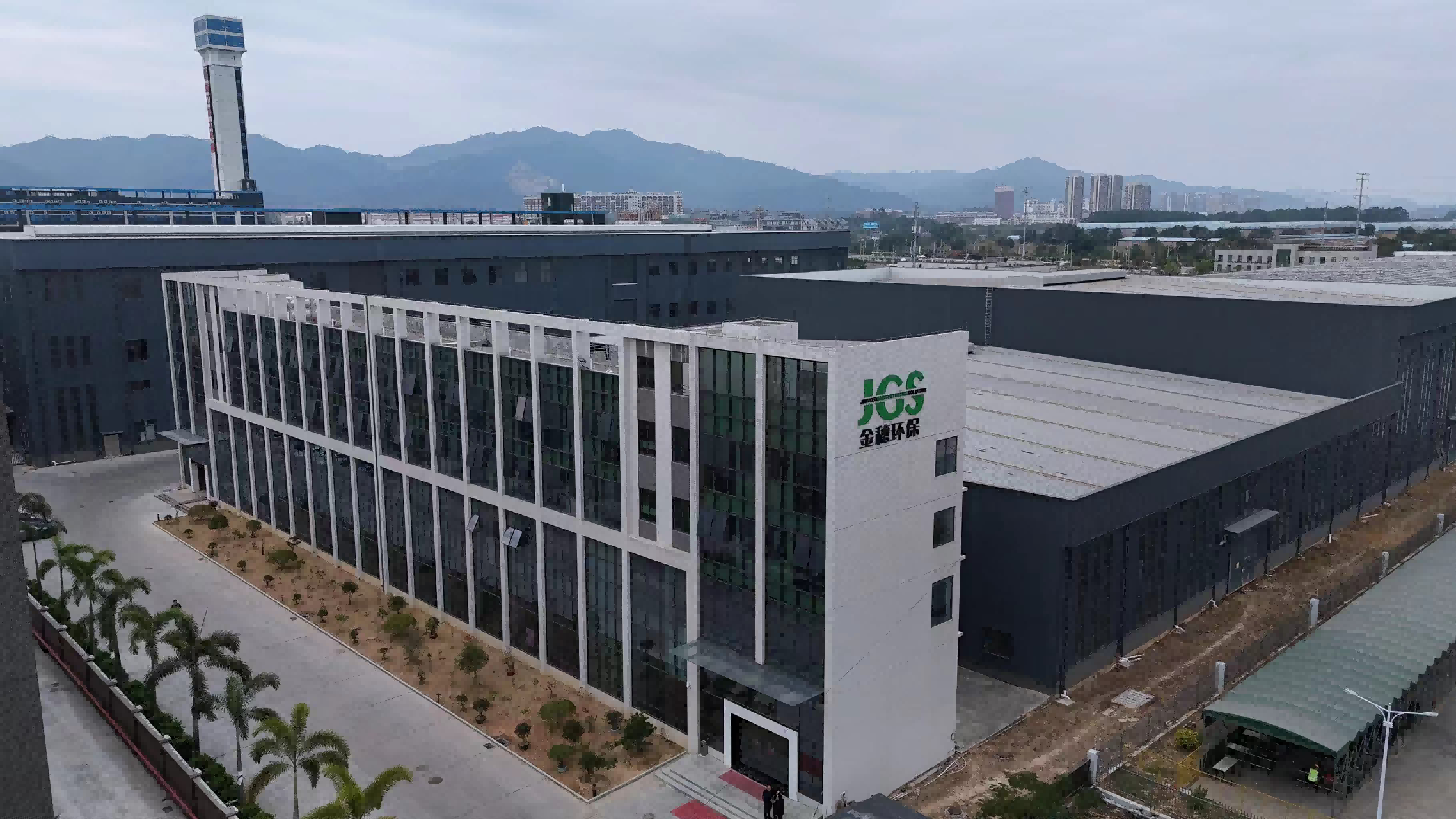
Woven geotextile fabric from China rarely makes headlines, but it's the reason a highway stays level over soft clay and a riverbank survives the next storm. The material separates, filters, reinforces, and drains—all without demanding attention. Yet not all fabric behaves the same under real site conditions, and that's where JInseed Geosynthetics Solution has focused its work. Here's a closer look at the key benefits that make a measurable difference in infrastructure and erosion control.
Holding Slopes and Shorelines in Place
Slopes and shorelines shift because gravity and water never stop working. On a steep cut, the first move is often to reduce the angle or add a structural hold. Compacted earth, terraced steps, or a well-drained retaining wall can do the job, but only if water is given an exit path. Without a way for groundwater to escape, pressure builds behind any barrier and eventually pushes it out of plumb.
Along a shoreline, the approach changes with the energy of the water. In calm coves, dense plantings of native grasses and shrubs can knit the bank together, their roots acting like hidden reinforcement. Where waves or currents hit harder, riprap or interlocking concrete blocks absorb the force before it reaches the soil. The trick is to use the smallest intervention that still matches the site’s exposure—overbuilding can create new erosion problems at the edges.
Materials matter less than how they are layered. A slope that combines a buried toe of stone, a geotextile filter, and live stakes driven into the upper face tends to outlast a single massive wall. Maintenance is part of the design too: checking for burrows, clearing weep holes, and replacing failed plants keeps the whole system from unraveling slowly.
The Hidden Layer That Keeps Roads From Rutting
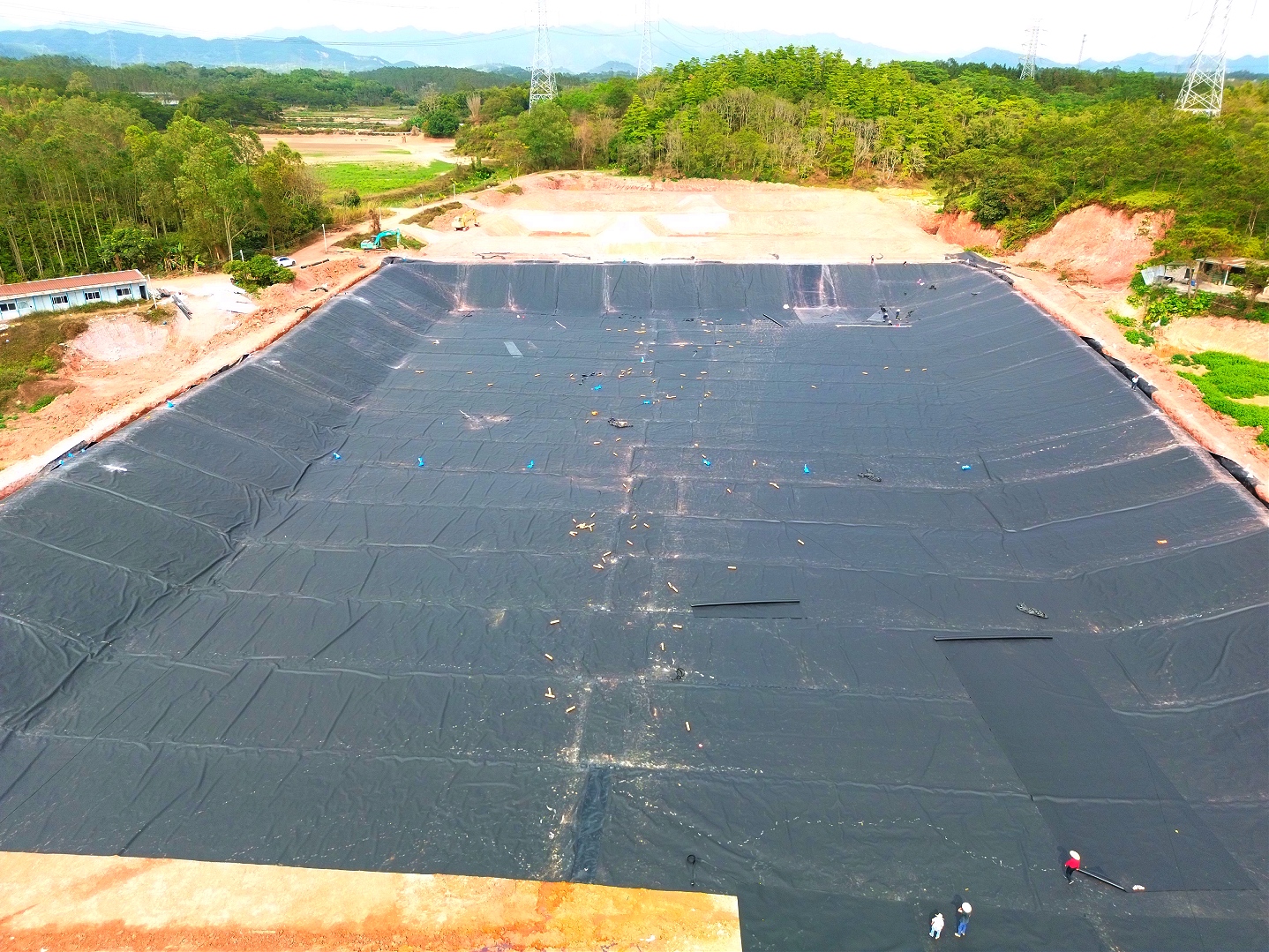
Underneath the asphalt you drive on, there’s a layer that rarely gets attention but does most of the heavy lifting against rutting. It’s called the base course, and when it’s built with the right mix of crushed stone and a bit of binder, it spreads the load from heavy trucks over a wider area. That prevents the pavement from sinking into soft spots or developing those telltale wheel-path grooves. Without this hidden buffer, even a few inches of quality asphalt would eventually deform under repeated stress.
Contractors often tweak the gradation of the aggregate in this layer to fight rutting. Instead of uniform particles, they use a blend with enough angular, interlocking pieces to create internal friction. Add a small amount of cement or lime to stabilize the fines, and the layer becomes almost rigid. That means the stress from a loaded axle gets distributed down and out, not concentrated in one vertical line. The result is a road that stays flatter longer, even on high-volume truck routes.
Another quiet trick is using geogrids—synthetic mesh laid within or just beneath this base layer. The grid locks the stone in place, preventing lateral movement that leads to rutting. In areas with expansive clay or poor drainage, a geotextile fabric can also separate the base from the subgrade, keeping fines from migrating upward and weakening the support. It’s not glamorous, but this hidden layer is what separates a road that lasts thirty years from one that needs patching every spring.
Letting Water Through While Keeping Soil Where It Belongs
The real challenge isn't stopping water altogether—it's giving it a clear path while making sure the ground stays put. In practice, that means using layers and materials that act like a sieve for runoff but a net for soil. Permeable surfaces, root systems, and geotextile fabrics all do the same quiet job: they slow the flow, let it soak downward, and hold the fine particles that would otherwise wash away with the next heavy rain.
On slopes and garden beds, this balance shows up in small details. A well-chosen ground cover or a strip of coir matting lets water pass almost immediately, but it keeps the underlying soil from shifting. The result is less gullying, fewer bare patches, and a surface that stays stable even after repeated downpours. It's less about blocking nature and more about guiding it—water moves through, soil stays behind.
Durable Enough for Aggressive Ground Conditions
The outsole doesn't flinch when the trail turns jagged. Reinforced sidewalls shrug off sharp rocks, while the multi-layer tread compound holds its edge long after softer materials would shear away. Each lug is cut deeper than standard, so loose shale and wet roots channel out instead of wedging underfoot.
Under the surface, a puncture-resistant plate spans the full length, blocking nails, glass, and thorny debris that would sideline lesser gear. The upper's welded overlays resist abrasion from constant scraping against rough terrain, and double stitching in high-stress zones prevents blowouts even through scree fields or dried creek beds. This isn't about surviving one brutal outing—it's built to take that punishment season after season.
We tested prototypes on volcanic rock, rusted railroad ballast, and frozen mud. The result is a design that doesn't just endure aggressive ground; it uses that contact to lock you in with more confidence on every step. Scuffs and gouges add character, but the structure stays intact far past the point where other options would need replacing.
Lighter to Handle, Quicker to Install on Site
Hauling materials up stairwells or maneuvering them through tight doorways often turns into a slow, awkward dance. Not with this system. The reduced weight isn't just a number on a spec sheet — it means one person can carry a full panel under each arm without straining, freeing up the rest of the crew to prep the next section. On a recent mid-rise retrofit, the crew cut unloading time by nearly half simply because nobody had to wait for a second pair of hands.
Installation follows the same logic. Pre-slotted connection points and a simplified anchoring sequence let a two-person team hang, level, and lock each unit in under four minutes. There's no fighting with shims or re-drilling brackets on the fly; the pieces only go together one way, and that way is fast. It's the kind of quiet efficiency that doesn't show up in a brochure, but shows up on the schedule at the end of the week.
The real payoff comes when you compare it to older, heavier alternatives. Where those demanded a forklift for every small adjustment and left installers reaching for the ibuprofen by noon, this approach keeps the work flowing at a steady, comfortable pace. Less weight in hand, fewer trips back to the truck, fewer delays waiting for equipment — ultimately, a tighter installation window and a cleaner handoff to the next trade.
Stretching Project Budgets on Large-Scale Earthworks
Earthworks rarely match the neat assumptions baked into early estimates. Soil borings miss pockets of rock or saturated clay, haul roads degrade faster than planned, and rainfall can idle a fleet for days at a time. Rather than treating the original budget as a fixed ceiling, project teams often need to rebalance line items—shifting funds from underused contingencies toward extra compaction, dewatering, or borrow material while keeping the overall envelope intact.
A practical way to stretch the budget is to question haul logic before adding scope. Shortening cycle times, resequencing cuts and fills to avoid double handling, and letting the site's own material replace imported fill can free up substantial cash. Even small adjustments, like moving a stockpile closer to active work or adjusting blade settings to reduce rework, compound across thousands of cycles.
The most durable savings usually come from tighter field verification, not from squeezing unit rates. Daily drone surveys or GPS machine control can flag overcut volumes before they become payment disputes, while weekly reconciliation of fuel burn against production helps spot inefficiencies early. When owners and contractors share that data openly, budget conversations shift from blame to adjustment, and the remaining contingency can be aimed at real ground risk instead of guesswork.
FAQ
It acts as a separation layer between soft subgrade and aggregate, preventing mixing and maintaining load-bearing capacity. The high tensile strength of woven polypropylene or polyester yarns distributes stress, reduces rutting, and extends pavement life without adding excessive thickness.
The fabric's tight weave and UV-stabilized polymers allow it to withstand sun exposure and water flow while holding soil in place. It promotes vegetation establishment by trapping moisture and seeds, and its permeability lets water pass through without causing hydrostatic pressure behind the slope.
Yes, woven geotextiles used in revetments and retaining walls have high grab tensile strength and puncture resistance, so they can support rock riprap or concrete blocks without tearing. They also filter water, preventing fine soil from washing out while allowing drainage.
By reducing the amount of aggregate needed, speeding up installation, and minimizing maintenance over decades, the fabric often lowers overall project costs. Chinese manufacturers offer competitive pricing without sacrificing quality because of advanced production lines and economies of scale.
They should verify the fabric's apparent opening size (AOS), permittivity, and tensile strength to match soil conditions. A proper specification ensures the fabric won't clog and can transmit water at the required rate while retaining soil particles.
Woven fabrics typically provide higher strength at lower elongation, making them ideal for separation and reinforcement. Nonwoven fabrics excel in filtration and cushioning. For road stabilization or erosion control under rock, woven is often the preferred choice because of its stiffness and load distribution.
Made from polypropylene or polyester with UV stabilizers, buried woven geotextiles can last 50 years or more because they are not exposed to sunlight. Factors like soil pH, temperature, and installation damage affect longevity, but quality Chinese fabrics meet international durability standards.
The subgrade should be smooth and free of sharp objects, fabric panels overlapped 12-24 inches depending on soil strength, and seams pinned or sewn. Avoid driving directly on the fabric with heavy equipment, and cover it promptly to prevent UV degradation and wind uplift.
Conclusion
China woven geotextile fabric proves its worth in stabilizing slopes and shorelines where loose soil constantly threatens to slide. The tightly woven structure anchors the ground, while its permeability lets water pass through without carrying sediment away. On road projects, this same balance keeps the base layers from mixing with subgrade fines, preventing the rutting and potholes that shorten pavement life. Instead of relying on thicker aggregate or repeated repairs, engineers install a single layer and gain long-term structural control.
Beyond performance, the material handles aggressive ground conditions—from sharp rock fill to acidic soils—without tearing or degrading. Crews appreciate that the rolls are lighter than traditional geogrids or geocells, so placement and seaming go faster with fewer people. On large-scale earthworks, that time saving translates directly into lower labor and equipment costs. By cutting material overuse and maintenance cycles, China woven geotextile fabric stretches project budgets while delivering reliable erosion and infrastructure protection.
Contact Us
Contact Person: Jerry Qiu
Email: [email protected]
Tel/WhatsApp: +65 84265294
Website: https://www.jinseed-geo.com