

China Pizza Sauce: A Flavorful Secret for Homemade Pizzas
2026-11-02
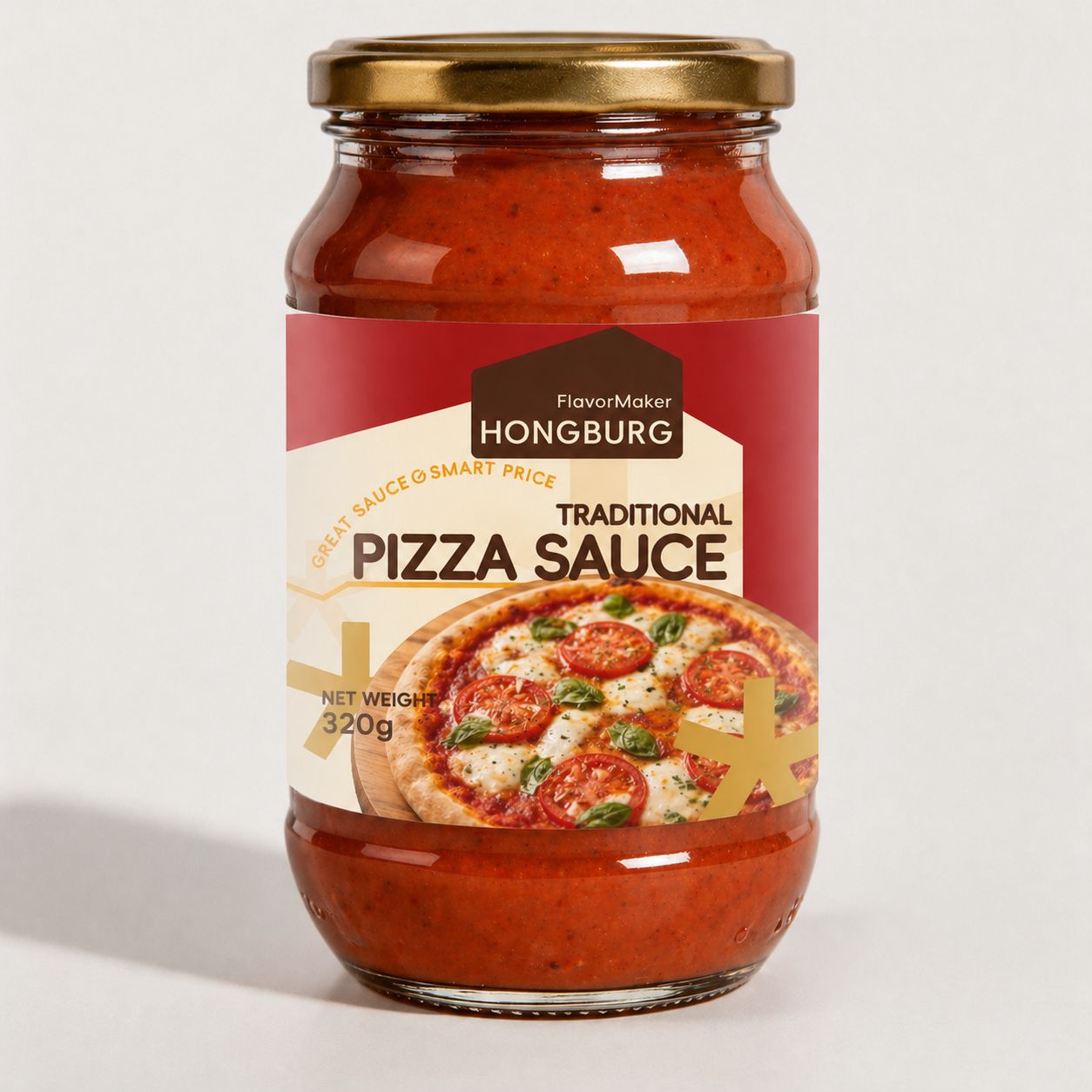
What if the secret to unforgettable homemade pizza isn’t Italian at all—but Chinese? China pizza sauce brings a bold, savory-sweet twist that transforms an ordinary crust into something extraordinary. And thanks to HONGBURG FLAVORMAKER, crafting this distinctive sauce at home has never been easier. Ready to discover the flavors that will make your next pizza night unforgettable?
The Fermented Staple Behind That Addictive Flavor
There's a quiet alchemy in the way soybeans, wheat, and salt transform under the patience of mold and brine. For months, sometimes years, the mixture breathes in cedar barrels, breaking down proteins into amino acids and starches into sugars. What emerges isn't simply salty or savory—it carries roasted nuts, dark fruit, caramel, and a whisper of earth.
That depth comes from Aspergillus oryzae, the same mold used in sake and miso, which works slowly to unlock compounds that fast processing never reaches. Traditional producers still stir the moromi by hand, tasting as the seasons shift, because the fermentation rhythm can't be rushed without losing its edge.
The addictive pull is chemical as much as cultural. Glutamates bind with nucleotides to amplify umami, triggering a reward signal that keeps you reaching for another splash, another spoonful. It's not just seasoning—it's a living ingredient with a memory.
A Quick Sizzle That Wakes Up Garlic and Ginger
The moment hot oil hits minced garlic and ginger, something immediate happens. It’s not a slow build — it’s a crackling wake-up call that fills the kitchen with a sharp, almost electric aroma. The garlic edges turn gold in seconds while the ginger softens and releases its peppery heat. This quick sizzle isn’t just a step; it’s the moment the dish stops being a list of ingredients and starts becoming dinner.
You don’t need a long fry. Ten to fifteen seconds over medium-high heat is enough to move both aromatics from harsh and raw to fragrant and rounded. Garlic that would otherwise bite becomes nutty and sweet. Ginger loses its fibrous bite and turns mellow, almost lemony. If you walk away, they burn — and burnt garlic turns bitter fast, dragging the whole pan down with it. So stay close, listen for the sizzle, and watch the color shift.
This technique matters most in stir-fries, soups, and quick sauces where you build flavor from the bottom up. Oil carries the aromatics’ oils into every corner of the pan. A spoonful of this sizzled base can lift a bowl of noodles, a pot of lentils, or a plain vegetable stir-fry. It’s a tiny action with a loud result — the difference between food that simply cooks and food that wakes up.
Balancing Sweet, Salty, and Slightly Numbing Without a Recipe
The trick to pulling off this flavor trio without measuring spoons is to think in layers rather than exact amounts. Start with a base that leans salty—soy sauce, fish sauce, or even a good pinch of sea salt—then introduce sweetness gradually. A spoonful of honey, a splash of mirin, or a handful of chopped dried fruit can round out the sharp edges. The numbing element, usually Sichuan peppercorns or a drop of chili oil with that tingling quality, should land last and sparingly. Taste as you go, and you'll notice the sweet and salty begin to talk to each other while the numbing hums quietly underneath.
One common misstep is treating all three as equal players. In most home kitchens, sweetness tends to dominate because it's the easiest to add. Pull back on sugar and let salt carry the structure—think of it as the floorboards. The numbing sensation works best when it surprises you, not when it coats the whole dish. Crush a few Sichuan peppercorns between your fingers and scatter them over the finish, or swirl in a tiny spoon of numbing oil just before serving. That way, each bite shifts slightly: first salty, then a touch of sweet, and finally that faint electric buzz on the tongue.
If you're working without a recipe, trust texture and aroma as your guides. A glossy sauce that clings to the back of a spoon usually means the sweet and salty are in decent balance. A dry, powdery numbness that fades after a few seconds means you've added just enough. Adjust with small pinches and splashes, not big pours. This approach leaves room for the ingredients themselves—a ripe tomato, a fatty piece of pork, a handful of fresh herbs—to shape the final taste. The result won't be a perfect copy of some restaurant dish, but it'll carry a rhythm of sweet, salty, and numbing that feels natural and your own.
The Glossy Glaze That Makes Every Slice Look Takeout-Worthy
That lacquered shine isn’t just for restaurant windows. A proper glaze turns a homemade slice into something that looks pulled from a box with a wax paper liner. The trick is catching the light on the surface—thin, even, and just tacky enough to hold a sprinkle of sesame or a few chive curls without sliding off.
You don’t need a pantry full of specialty syrups. Warm honey, a spoonful of brown sugar, a splash of soy sauce, or melted butter with a pinch of garlic powder all work. Brush it on during the last two minutes over heat, or right after the pan comes off the flame. The residual heat sets the glaze into a glossy sheet that clings to every ridge and edge.
For that takeout-level finish, work fast and don’t overbrush. One or two passes give you the mirror-like coat; more than that and you’ll end up with puddles that turn sticky and dull. Let it rest for sixty seconds before slicing, and you’ll see each piece pull away with that clean, candy-apple shine.
Topping Pairings That Let the Sauce Shine
When you spot a sauce with real depth, the last thing you want is a topping that shouts over it. Thin ribbons of prosciutto, a scatter of torn basil, or a few oil-cured olives work because they don't add another layer of sauce-like moisture. Instead, they sit on top and let the base note hit first.
Creamy sauces tend to open up with a bit of sharpness. Try a handful of arugula dressed only in lemon and cracked pepper, or shaved aged pecorino right before serving. The pepperiness cuts through the richness without masking it, and the cheese brings salt in short, dry bursts rather than a heavy melt.
For tomato-based or brighter sauces, go for crunch and freshness: toasted pine nuts, delicate celery leaves, or a quick gremolata with parsley, garlic, and orange zest. These sit on the surface instead of sinking in, so each bite keeps the sauce at the front while the topping adds just enough contrast.
Why It Tastes Even Better After a Night in the Fridge
Leave a beef and barley stew on the counter for an hour and you get dinner. Tuck it into the fridge overnight and it becomes something else entirely. The cold does more than preserve—it gives the dissolved gelatin from the meat time to set into a soft web that clings to every grain of barley and chunk of carrot. When you reheat it the next day, that web melts slowly, coating your spoon with a silkiness that a same-day simmer simply can't match.
Aromatics behave differently after a rest, too. Sharp onion and raw garlic notes fade into the background, while the slower, earthier compounds from herbs and spices drift forward. Starches in potatoes or beans tighten up in the cold, then relax again on the stove, releasing a little extra body into the broth. Even the salt has a chance to move past the surface and settle deep into the meat, so every bite tastes seasoned all the way through instead of just on the outside.
There's also a quiet magic in the timing. You're not rushing to get dinner on the table while the pot is still bubbling. You ladle it into a bowl, reheat it gently, and the stew rewards you with a depth that only patience can build. The flavors aren't fighting for attention anymore—they've made peace with each other in the dark, and the result is the kind of meal that makes you plan to cook a day ahead on purpose.
FAQ
It typically blends fermented bean pastes, hoisin, garlic, ginger, and a touch of sugar with tomatoes or sweet chili base. The result is savory, slightly sweet, and has an umami depth you won't get from a standard marinara.
Yes, though the flavor profile shifts toward sweet-savory with a mild kick. It works especially well on pizzas with roasted meats, scallions, or cheeses that can stand up to bolder seasoning. Just keep in mind that it's thicker than most Italian sauces, so spread it evenly.
Sauté minced garlic and ginger in a little oil, then stir in tomato paste, hoisin sauce, a spoonful of soy sauce, and a pinch of five-spice powder. Thin it with a splash of water or rice vinegar until it reaches a spreadable consistency. Simmer for five minutes and let it cool before using.
Not necessarily. Many versions lean sweet and savory with only a background warmth from ginger or white pepper. If you want heat, add chili garlic sauce, crushed red pepper, or a drizzle of chili oil to taste.
Think beyond pepperoni. Shredded pork, sliced chicken, shiitake mushrooms, bell peppers, red onion, and a mix of mozzarella with a little sharp cheddar or smoked gouda all work beautifully. A final sprinkle of toasted sesame seeds or chopped scallions adds freshness.
Stored in an airtight container, it stays good for about a week. For longer storage, freeze it in small portions for up to three months. Give it a quick stir after thawing because the texture may separate slightly.
Absolutely. It's great on flatbreads, as a dip for dumplings or spring rolls, tossed with noodles, or spread on a sandwich. Its concentrated flavor means a little goes a long way.
The sauce's sweet-savory notes and umami cut through the richness of melted cheese, creating contrast instead of blending into one flat tomato taste. Cheeses with a bit of tang or nuttiness, like gouda or provolone, highlight the sauce's complexity.
Conclusion
Most homemade pizza sauces lean on Italian herbs, but China Pizza Sauce flips that expectation with a deep, fermented backbone that's almost impossible to place at first bite. The magic starts with a spoonful of aged chili bean paste or fermented black beans, which brings a funky, savory richness that fresh tomatoes alone can't touch. A fast sizzle in hot oil wakes up minced garlic and ginger, releasing a fragrant blast that clings to every bubble of the sauce. Then comes the balancing act: a spoon of sugar for roundness, a splash of soy sauce for salt, a drizzle of black vinegar for tang, and a pinch of ground Sichuan pepper for that faint, buzzing tingle on the tongue. You don't need a recipe—just taste as you go and nudge it toward the sweet-salty-numbing edge you crave.
Once the mixture thickens, it takes on a lacquered, glossy sheen that makes any homemade pizza look like it came from a takeout box. That shine isn't just for show; it helps the sauce cling to the dough instead of soaking in and turning the crust soggy. For toppings, keep it simple: shredded mozzarella works, but try scattered scallions, thin slices of lap cheong, or even a soft-cooked egg with a drizzle of chili crisp. The sauce plays well with fatty, smoky, and mild ingredients alike. And here's the quiet secret—leftovers taste even better after a night in the fridge, since the fermented notes mellow and the ginger and Sichuan pepper settle into a rounder, more unified flavor. Spread it cold or warm it gently, and that next pizza will taste almost unfairly good.
Contact Us
Contact Person: Peter Song
Email: [email protected]
Tel/WhatsApp: +86 18920189778
Website: https://www.hongburg.com