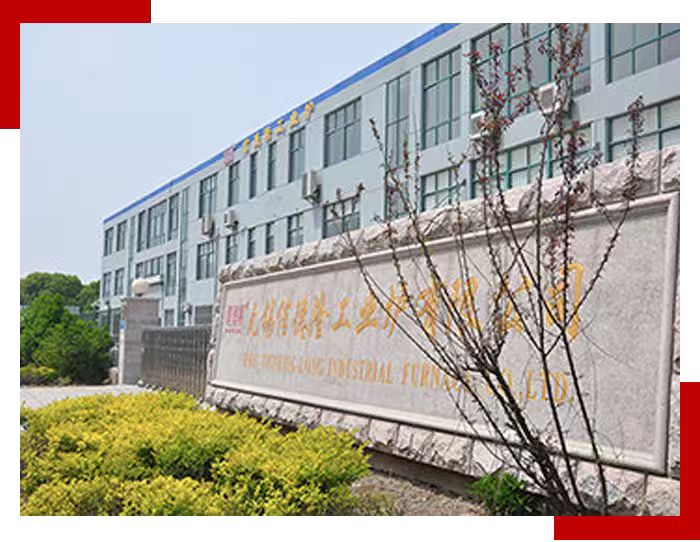

China Hot Blast Stove Innovations for Reliable Industrial Heating
2026-09-28
When it comes to keeping blast furnaces running at peak performance, the hot blast stove is often the unsung hero—and China's latest engineering breakthroughs are finally giving it the spotlight. From smarter refractory designs to energy-recovery systems that squeeze more heat from every cubic meter of gas, these innovations are setting a new bar for reliable industrial heating. In this article, we'll take a closer look at what's driving this shift and why forward-thinking operators are turning to THINKING-LONG for solutions that don't just keep up—but lead the way.
How Refractory Design Changed in Chinese Hot Blast Stoves
Before the 1980s, most Chinese hot blast stoves relied on standard fireclay and high-alumina bricks in the upper zones, with silica bricks limited to dome areas where higher temperatures demanded better volume stability. As blast temperatures gradually rose toward 1200°C, reports of dome brick spalling, wall deformation, and checker chamber collapse became more frequent. This pushed refractory suppliers and steel mills to rethink the lining layout, moving from uniform brick grades to zoned designs that matched material creep resistance to local operating temperatures.
A major shift came with the adoption of low-creep high-alumina bricks and mullite bricks in the hot blast outlet, combustion chamber, and upper checkerwork. These grades reduced permanent linear change under load and cut down on hot face cracking. At the same time, the use of precast composite blocks for dome rings and burner quarls eliminated many field-cut joints that had previously acted as weak points. Insulating castables and ceramic fiber boards were added behind the working lining, which allowed thinner dense layers and lowered shell temperatures without sacrificing structural strength.
More recently, andalusite and sillimanite-based refractories have been introduced in selected stoves to improve thermal shock resistance during frequent heating and cooling cycles. Piping sections and hot blast main connections now often use self-flowing castables or specially shaped combination bricks to avoid abrupt transitions. These changes reflect a broader trend in Chinese blast furnace practice: instead of pursuing a single best brick, designers now tailor refractory selections and joint patterns to the thermal profile of each stove zone, extending campaign life beyond fifteen years in many modern installations.
The Case for Variable-Speed Combustion Air
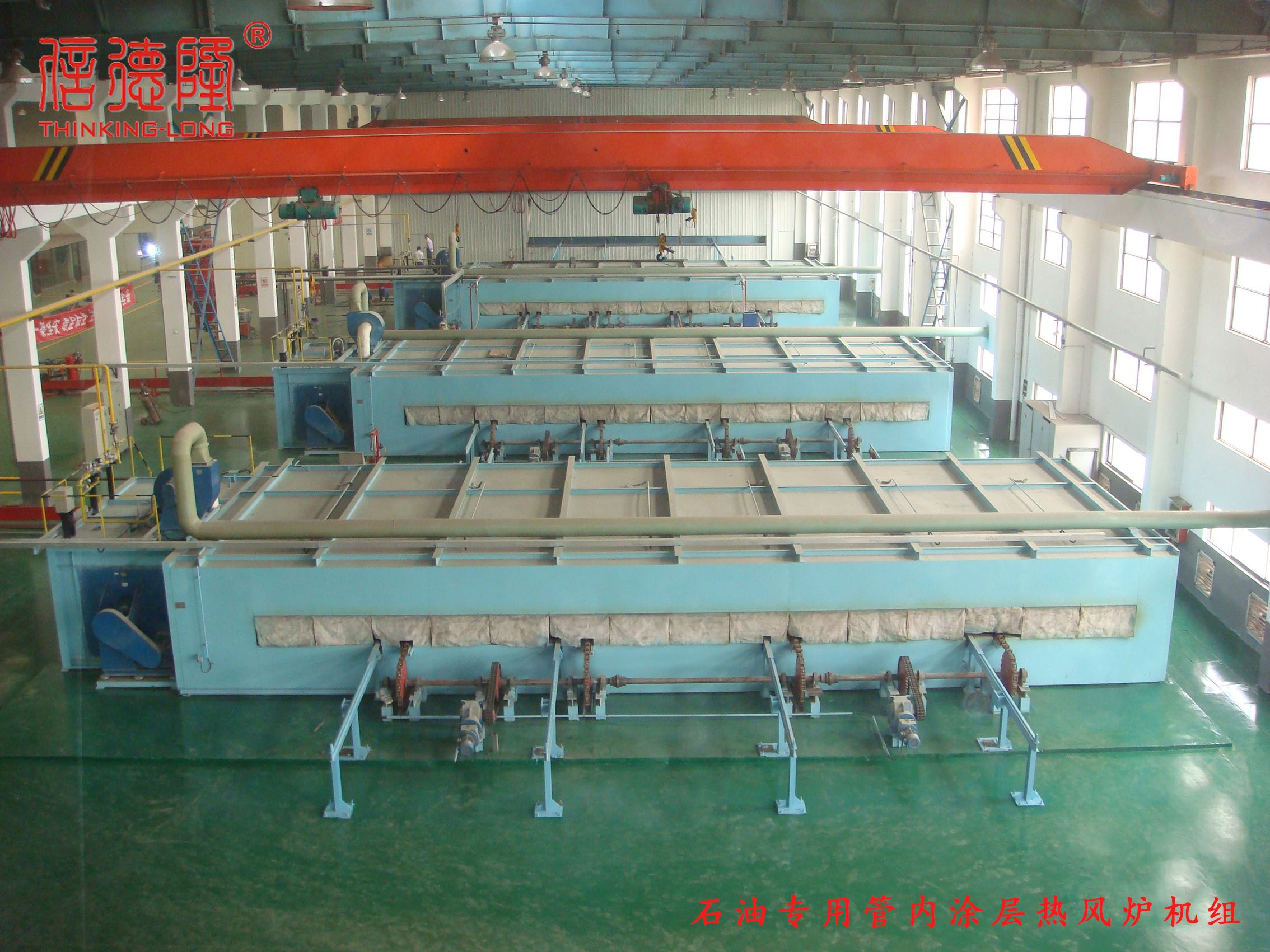
Fixed-speed combustion air fans force a compromise. They are tuned for one operating point, usually high fire, and everywhere else the air-fuel ratio drifts. Variable-speed control removes that constraint. A blower that can ramp up or down in response to real-time load keeps the burner closer to its ideal mixture across the entire firing range, cutting fuel waste that never shows up on a basic efficiency test.
The real payoff often appears during light-off and low-load operation. With a fixed fan, excess air spikes when the burner modulates down, pulling heat out of the flue. A variable-speed drive trims the air to match the reduced fuel flow, so flue temperatures stay lower and thermal efficiency holds flat instead of sagging. This also reduces thermal stress on the refractory and heat exchanger, since the flame shape remains tighter and more stable.
There is a control hurdle worth acknowledging. A variable-speed combustion air fan needs a reliable signal—manifold pressure, stack oxygen, or a mapped fuel-air curve—to avoid hunting. But modern drives and sensors handle that without much tuning. Once the feedback loop is set, the system tends to be quieter at part load, easier on the motor, and more forgiving of changing venting conditions than a fixed-speed setup.
What Real Operating Data Says About Thermal Stability
Most thermal stability claims come from controlled lab benches, but real operating data rarely behaves that way. Sensors in actual deployments record temperature swings that lab protocols miss: rapid partial-load cycles, clogged filters, ambient shifts during a single shift. When those readings are plotted against failure events, the pattern is rarely a clean threshold. Instead, you see a band where stability erodes gradually and then collapses under a specific combination of load and airflow.
One pattern that stands out in field logs is the asymmetry between heating and cooling. Equipment often tolerates brief spikes well above rated temperature if the return to baseline is quick. The trouble starts when heat lingers. Data from continuous monitors shows that time-above-threshold, not just peak temperature, predicts most thermal-related breakdowns. Operators who only track maximums miss this entirely.
Another insight from real data is that thermal stability is less about material limits and more about control loop response. Units with aggressive fan curves or smart derating show fewer excursions even when ambient temperatures climb. Conversely, systems tuned for steady-state efficiency often struggle with rapid transients. In practice, the most stable setups aren't those with the highest nominal ratings; they're the ones whose operating data shows the least time spent in the danger zone.
Retrofitting Older Stoves Without a Full Rebuild
Older stoves can often be brought up to modern performance standards without tearing everything down to the firebox. A common starting point is swapping out the old burners or grate system for a more efficient aftermarket set that improves airflow and fuel mixing. Sealing any hairline cracks in the door gaskets and replacing warped baffle plates can instantly restore lost heat retention. If the firebox is still solid, adding a secondary combustion tube or a catalytic converter kit—many are designed as drop-in upgrades—can cut emissions dramatically while boosting heat output per log.
Beyond hardware, small adjustments to the air intake controls and chimney damper can fine-tune an older stove's burn cycle. Refractory panels that line the firebox are another area worth checking: cracked or crumbling panels not only waste heat but also expose the steel body to direct flame stress. Installing a stove-top thermometer gives you real feedback to avoid over-firing, which is the quickest way to warp an aging unit. With a weekend of focused work and a modest budget, most pre-1990 stoves can be made to run cleaner and hotter—no full rebuild required.
Cutting Fuel Use While Holding Dome Temperature
Maintaining a stable dome temperature often tempts operators to leave the burner running at a constant high rate, but that habit quietly wastes fuel. A more efficient approach is to step down the firing rate once the desired dome temperature is reached. Instead of treating the burner as a simple on-off switch, use a modulating control that matches heat input to the actual heat loss from the kiln or furnace. Even a modest reduction in firing rate—say, from 90% to 60% of maximum—can lower fuel consumption by a fifth or more, while the dome temperature barely moves because the thermal mass of the structure acts as a buffer.
Another practical lever is to shorten the time spent at peak temperature. Many processes hold the dome at a target for far longer than necessary out of caution. By tracking the actual load temperature or product condition—not just the dome reading—you can trim the hold period without sacrificing quality. For example, if the load reaches the required core temperature halfway through a typical 60-minute hold, cutting the hold to 40 minutes saves fuel directly. Pair this with tighter damper or flue gas recirculation control so that excess air stays low; every extra percent of oxygen in the stack represents heat lost up the chimney rather than retained in the chamber.
Finally, consider batch scheduling to avoid idle hot periods. If a kiln sits at temperature waiting for the next charge, it continues burning fuel with no productive output. Staggering load preparation or switching to a continuous feeding pattern keeps the dome hot but active, reducing the need for long standby holds. Simple measures—like insulating exposed metal, sealing burner ports, and checking door seals—also cut heat losses, so the burner works less to maintain the same dome temperature. Over a month, these adjustments often add up to a 10–25% fuel savings without changing the product at all.
When Emissions Rules Meet Heavy Industry Heat
The collision between strict emissions mandates and the brutal thermal realities of heavy industry is rarely a clean one. Regulators drafting decarbonization roadmaps often assume that cutting carbon from steel, cement, or chemical plants is chiefly a matter of swapping in cleaner fuels and adding capture equipment. But on the plant floor, heat is not an abstract variable: it is the medium that drives endothermic reactions, maintains molten metal baths, and cures clinker at temperatures where even refractory linings strain. When a rule demands a 40% reduction in process emissions by 2030, engineers confront a stubborn fact—many core reactions, from limestone calcination to direct reduction of iron ore, only proceed at heat levels that resist cheap electrification.
A less obvious friction point lies in the way emissions rules interact with thermal inertia. A blast furnace or cement kiln cannot be dialed down like a lightbulb; thermal cycling introduces cracks, shortens refractory life, and risks catastrophic freeze-ups. Compliance schemes that reward intermittent operation or demand rapid fuel switching often ignore this physical reality. One plant manager in the Ruhr valley put it bluntly: “The permit wants us to behave like a gas turbine, but we are more like a volcano that never sleeps.” As a result, many heavy industries face a quiet calculus—either install costly heat recovery and storage systems that were never part of the original design, or run at reduced throughput and accept a permanent cost disadvantage against regions with laxer rules.
There is also a growing split between policy optimism and thermodynamic honesty. Some decarbonization pathways assume abundant, dispatchable zero-carbon heat will arrive via hydrogen combustion or advanced nuclear. Yet industrial hydrogen today is largely made from fossil gas, and high-temperature nuclear heat exchangers remain pilot-scale. Where emissions rules push hard before viable heat substitutes exist, the outcome is often perverse: production shifts to places with weaker oversight, a phenomenon sometimes called “emissions leakage by furnace relocation.” Policymakers who ignore the sweat and radiant glow of heavy industry risk writing rules that satisfy spreadsheets but fail in the foundry.
FAQ
Many Chinese manufacturers now pair ceramic burner technology with multi-layer refractory linings, which allows them to deliver consistent heat at lower fuel consumption than older models. The focus has shifted from simply reaching high temperatures to maintaining a steady output under fluctuating load conditions.
Variable frequency drives on combustion air fans and real-time oxygen trim sensors let the stove adjust airflow within seconds. Instead of relying on fixed damper positions, the system fine-tunes the air-to-fuel ratio continuously, so temperature swings stay within a narrow band even when downstream demand changes.
Drying lines for minerals, chemical powder processing, and metal preheating before rolling all see direct gains. The stoves are also used in food ingredient drying where indirect heating keeps combustion gases away from the product.
Look beyond the rated output. Check the thickness and anchoring of the refractory, the type of burner control, and whether the manufacturer offers a hot standby mode. A stove that can run at partial load without cycling on and off will last much longer in continuous duty.
Heat recovery from flue gas is now standard on many units, especially in systems that preheat combustion air. Some designs integrate a secondary heat exchanger to capture waste heat for lower-temperature processes, so the same fuel input supports both primary and auxiliary heating needs.
Yes, when specified correctly. Stainless steel heat exchangers and sealed combustion chambers prevent flue gas leakage, while abrasion-resistant refractory materials reduce wear from dust-laden air streams. It is important to match the stove's internal materials to the specific chemical environment.
Regular inspection of burner nozzles and flame sensors prevents uneven combustion that can crack the refractory. Cleaning ash from the heat exchanger and checking door seals on the combustion chamber also keep thermal efficiency from degrading over time.
Many systems now include remote monitoring with alarm thresholds for exhaust temperature and pressure drop. This allows operators to schedule maintenance before a small issue becomes a shutdown, and some controllers can automatically switch to a backup burner if the primary one fails.
Conclusion
Chinese hot blast stove builders have gradually shifted from uniform refractory linings to layered, zone-specific designs that accommodate the intense thermal cycling between blast and heating cycles. Rather than relying on thicker brick alone, engineers now pair these linings with variable-speed combustion air systems that adjust airflow based on real-time dome pressure and gas quality. The payoff appears in operating data: plants that adopted both changes report narrower temperature bands at the dome, fewer hot spots near the burner throat, and less frequent need for patch repairs. Thermal stability is no longer judged by a single sensor but by the spread across multiple elevations, and the newer designs consistently show a tighter spread. Maintenance logs from three northern mills show the same pattern: fewer unscheduled outages tied to lining cracks.
For older stoves, full rebuilds are increasingly rare. Instead, targeted retrofits replace only the burner and control dampers, leaving the shell and most checker brick in place. These projects often achieve fuel savings by holding dome temperature while cutting excess air and modulating combustion air speed more precisely. Operators find they can maintain the same hot blast temperature with 6–10% less gas, which matters when emissions rules tighten. Lower excess air also reduces NOx formation, and smoother firing cuts CO spikes during changeover. In that sense, the retrofit path addresses both economic and regulatory pressure without forcing a plant into a costly, months-long shutdown. The variable-speed drives pay for themselves within two heating seasons, even before factoring in carbon credit benefits.
Contact Us
Contact Person: Qian Xijun
Email: [email protected]
Tel/WhatsApp: 8613961736750
Website: https://www.thinkinglong.com/