

China Artificial Rice Processing Line: Pioneering Nutritious and Sustainable Food Solutions
2026-05-26
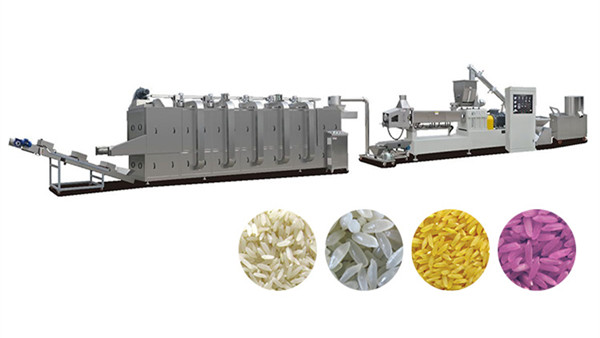
Imagine a future where staple foods not only fill stomachs but also fortify health. China's artificial rice production is turning that vision into reality, with cutting-edge extrusion lines transforming nutrient-rich grains into fortified rice that mimics the taste and texture of the real thing. At the heart of this revolution is MINGDE, delivering precision-engineered processing lines that empower manufacturers to create sustainable, customizable rice solutions—from vitamin-enriched kernels to low-GI varieties. Step into the world of artificial rice, where innovation meets nutrition, and discover how smart machinery is reshaping global food security.
Revolutionizing Grain: Inside China’s Artificial Rice Production
In sprawling production halls where precise temperature and humidity levels are maintained, a quiet transformation is reshaping the very foundation of staple foods. Rows of automated machinery extrude a starchy paste through micro-perforated dies, forming delicate granules that mimic the size, shape, and texture of natural rice grains. This is not a scene from a sci-fi novel, but the daily reality of China’s burgeoning artificial rice industry, where scientists and food technologists are engineering an affordable, nutrient-fortified alternative to conventional rice. By blending staple flours—often from potatoes, corn, or wheat—with added proteins, vitamins, and minerals, these factories churn out tons of “synthetic” rice that can be integrated seamlessly into everyday meals.
The impetus behind this innovation extends far beyond novelty. Driven by concerns over food security, arable land scarcity, and malnutrition in remote regions, Chinese researchers have spent decades refining the process of restructuring low-cost ingredients into a palatable and culturally acceptable form. Unlike early attempts at artificial rice that turned gummy or disintegrated during cooking, modern versions leverage advancements in extrusion technology and binding agents to achieve a mouthfeel remarkably close to steamed jasmine or short-grain rice. Some products even release a familiar aroma when cooked, thanks to carefully calibrated flavor infusions. This makes the transition nearly invisible to consumers, helping the product gain traction in school canteens, disaster relief supplies, and military rations across the country.
But the story doesn't end at replication. Many of these artificial rice products are designed as “functional foods,” targeting specific dietary deficiencies. For instance, calcium-enriched variants aim to combat osteoporosis in aging populations, while high-iron blends address anemia in children. Production facilities operate under rigorous quality controls, with real-time sensors monitoring the nutrient distribution in each batch. As climate change disrupts traditional rice-growing cycles, these factories represent a resilient alternative—decoupling grain production from the whims of weather. While purists may balk at the idea of a manufactured staple, the technology stands as a formidable answer to some of the most pressing food challenges of our time, redefining what “grain” can mean on a crowded planet.
Nutrition Reimagined: How Engineered Rice Fortifies Diets
A bowl of white rice feeds millions daily, but its nutritional profile often leaves much to be desired. Instead of relying on external supplements, crop breeders are reshaping the grain itself—packing it with iron, zinc, or vitamin A right from the field. This shift doesn’t demand new diets or expensive add-ons; it simply makes the familiar staple work harder.
Techniques like cross-breeding with nutrient-dense wild varieties or precise genetic tweaks have yielded rice that tackles hidden hunger at its root. A single serving might now supply a large share of a child’s daily zinc or vitamin A needs, reaching communities where deficiencies are rampant and diets are monotonous.
What’s striking is that these fortified grains cook, taste, and look like ordinary rice, sidestepping consumer resistance. By embedding nutrition directly into crops, the approach sidesteps pills and powders—making better health a seamless part of everyday eating.
From Lab to Table: The Eco-Friendly Process of Synthetic Rice
Synthetic rice begins its journey in a controlled lab setting where scientists harness fermentation techniques similar to those used in brewing. Starches from non-traditional sources like cassava or potato are broken down and reassembled with proteins and micronutrients, forming grains that mimic the texture and taste of natural rice. This approach sidesteps the need for flooded paddies, dramatically cutting freshwater consumption—a single kilogram of conventional rice can require over 2,500 liters of water.
Once the base material is refined, it moves through energy-efficient extrusion systems that shape and cook the grains in a single step. The entire chain is designed to minimize waste: off-spec batches get reprocessed, and production facilities often run on renewables, lowering the carbon footprint to a fraction of traditional farming. By the time synthetic rice reaches your plate, it delivers not just a lower environmental toll but also a customizable nutrient profile, offering a practical, planet-friendly staple that doesn’t sacrifice familiarity or flavor.
Beyond Traditional Rice: Novel Textures and Tastes Unlocked
Rice doesn't have to mean plain white grains. Today's innovators are turning rice into crispy puffs, chewy pearls, and even creamy bases, each unlocking mouthfeels we never expected from this humble grain. From airy rice crackers that shatter delicately to boba-like spheres that offer a satisfying bite, texture is becoming just as important as flavor.
Beyond texture, flavor infusions are breaking boundaries. Imagine black rice steeped in coconut cream or jasmine grains kissed with pandan—these aren't just side dishes, they're sensory experiences. Chefs and food scientists are layering tastes in ways that make each mouthful a discovery, moving far beyond the bland backdrop rice often plays.
Scaling Sustainability: Meeting Global Food Demands Efficiently
Feeding a growing global population without exhausting the planet’s resources demands a fundamental shift in how we produce, distribute, and consume food. Precision agriculture, vertical farming, and regenerative techniques are quietly revolutionizing the industry, enabling higher yields on smaller plots of land while reducing water and chemical use. These innovations are not just technological feats—they represent a necessary adaptation to climate pressures and shrinking arable land, proving that efficiency and ecology can advance hand in hand.
The challenge extends beyond the farm. Roughly one-third of all food produced is lost or wasted, often due to gaps in storage, transport, and market access. Strengthening local food networks, improving cold-chain infrastructure, and embracing circular economy principles can dramatically narrow this gap. By treating food waste as a resource—for compost, bioenergy, or animal feed—communities turn a liability into an asset, making the entire system more resilient and less wasteful.
Dietary patterns also play an outsized role in sustainability. Shifting toward plant-forward diets and alternative proteins can ease the strain on land and water reserves, while still delivering the nutrition a booming population requires. When paired with policies that incentivize sustainable farming and hold producers accountable for environmental impacts, these collective choices create a food system that doesn’t just meet today’s demands, but preserves the capacity to feed future generations.
The Future of Food: Customized Nutrition at Your Fingertips
Imagine a world where your dinner plate is as unique as your fingerprint. Advances in genomics and biometric sensors are turning this vision into reality, allowing meal plans to adapt in real time to your body's signals. Instead of following generic dietary guidelines, you'll receive recipes and portion sizes calibrated to your metabolic rate, gut microbiome, and even your current stress levels. This shift moves us away from one-size-fits-all nutrition and toward a deeply personal relationship with food, where every bite is optimized for your well-being.
The technology behind this transformation is already taking shape in kitchens and apps. Smart scales, AI-powered meal planners, and at-home blood analysis kits are converging to create an ecosystem that learns your preferences and nutritional needs. Picture a refrigerator that suggest a magnesium-rich snack when your sleep tracker shows poor rest, or a food printer that adjusts macro composition based on your afternoon energy levels. These tools don't just count calories — they interpret your body's nuanced language and respond with precision.
As with any powerful innovation, the real impact will depend on who has access and how data is protected. But the overall trajectory points toward a democratization of health, where personalized guidance once reserved for elite athletes becomes available to anyone with a smartphone. The future of food isn't just about lab-grown meat or vertical farms — it's about closing the gap between what we eat and what we truly need, making customized nutrition a seamless, everyday experience.
FAQ
An artificial rice processing line is a specialized production system that transforms various raw materials—such as broken rice, grains, or fortified powders—into rice-shaped kernels using extrusion technology. The process typically involves mixing ingredients with water, cooking them under controlled heat and pressure, and then shaping the dough through a die, followed by drying and cooling to achieve the final product.
Common raw materials include broken rice, corn, wheat, potato starch, and legumes like soybeans or chickpeas. These are often combined with micronutrients such as vitamins and minerals to create fortified rice that addresses nutritional deficiencies.
China sees artificial rice as a way to enhance food security by utilizing by-products and alternative starches that would otherwise go to waste. It reduces reliance on traditional paddy rice cultivation, which requires significant water and land, thereby offering a more resource-efficient and resilient approach to feeding a large population.
Artificial rice can be engineered to have a higher nutritional value than natural rice by incorporating proteins, fiber, vitamins, and minerals during processing. This is particularly beneficial in regions where malnutrition is a concern, as it allows for targeted fortification without changing dietary habits.
A modern processing line ensures consistent quality, high production efficiency, and the ability to customize the rice's shape, texture, and nutritional content. It also supports large-scale output with minimal labor, and advanced drying and cooling systems help extend shelf life while preserving taste.
Yes, with precise formulation and processing parameters, artificial rice can closely resemble natural rice in both taste and mouthfeel. Manufacturers adjust the blend of starches and use extrusion techniques that mimic the grain's structure, allowing it to be cooked and eaten just like traditional rice.
Conclusion
China’s artificial rice processing line is redefining staple food production by merging advanced extrusion technology with precision nutrition. Unlike conventional rice farming, this approach transforms rice flour, starches, and micronutrients into fortified grains that mirror natural rice in appearance and cooking behavior. The closed-loop system operates with minimal water and eliminates the need for vast paddy fields, turning a resource-intensive crop into an eco-efficient product. Inside these facilities, carefully calibrated twin-screw extruders blend and cook materials at controlled temperatures, locking in nutrients without chemical additives. The result is a grain that can be engineered to resist breakage, cook uniformly, and retain its shape—all while slashing post-harvest losses common in traditional rice chains. This seamless integration of lab-born innovation with scalable machinery brings the promise of food science directly to the dinner table, with a dramatically reduced environmental footprint.
Beyond its technical prowess, this processing line allows for unprecedented dietary customization. By adjusting the composition, manufacturers can tailor grains for children, athletes, or aging populations, packing them with iron, zinc, vitamins, and even plant-based proteins. The textures, too, break free from the monotony of white rice—creamy, chewy, or al dente variations become possible, opening new culinary applications. As climate pressures and population growth strain global food systems, such scalable, low-carbon solutions offer a lifeline. A single compact production unit can output tons of nutritionally optimized rice, bypassing seasonal limits and volatile yields. Looking ahead, the line’s flexibility could put personalized nutrition within ordinary reach, allowing families to print daily staples matched to their exact health needs. In essence, China’s artificial rice processing line isn’t just reinventing rice; it’s building a template for the future of food itself.
Contact Us
Contact Person: LILY SUN
Email: [email protected]
Tel/WhatsApp: 0086-13969103791
Website: https://www.snackfoodmachinery.com/