

Carbon-Based Soil Conditioner Supplier Selection Tips for Healthier Crops
2026-08-12
Healthy crops start below the surface, but not all carbon-based soil conditioners deliver the same results. Choosing the right supplier can mean the difference between thriving fields and disappointing yields. That’s why we’ve put together practical tips to help you evaluate quality, consistency, and reliability. At Tundrr, we believe soil health is the foundation of every successful harvest. Let’s dig into what really matters when selecting a partner for your soil conditioning needs.
Look Beyond the Label: Verify Carbon Feedstock Origins
The phrase "bio-based" or "circular" on a carbon product doesn't tell you where the feedstock actually came from. A label might be accurate for a single batch, yet the same grade can be blended from mixed pyrolysis oils, tire-derived char, or even coal tar fractions if nobody checks. Verifying origin means tracing the material back to a specific facility, a specific input stream, and a dated production run—not just trusting a supplier's brochure.
Supply chain audits often stop at the first-tier vendor. For carbon feedstocks, that is rarely enough. You need to see the chain of custody for the raw biomass or waste stream, the thermal conversion unit, and any post-treatment steps. Ask for batch-level documentation: feedstock type, collection point, pre-treatment chemicals, and the mass balance across the process. If a vendor cannot produce this for a given lot, the "origin" claim is just marketing.
Independent verification helps but doesn't replace direct inquiry. Some certifications rely on book-and-claim systems that allow credits to be traded separately from physical material. That can be legitimate for carbon accounting, but it does not prove the specific carbon in your product came from a particular source. For real confidence, request a sample from the exact lot and run isotopic or trace element analysis against a reference database. Otherwise, you are verifying paperwork, not feedstock.
Ask for Crop-Specific Trial Data, Not Just Brochures
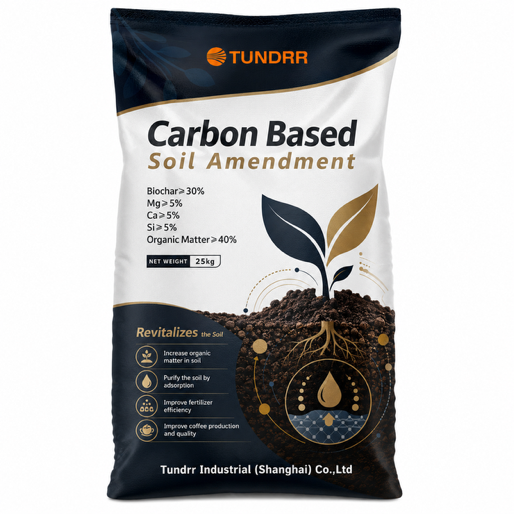
A glossy brochure can make any seed or input look like a miracle, but those photos were taken in ideal plots with intensive management. Before you spend money, ask the sales rep for trial data from fields that resemble yours: similar soil type, moisture, planting window, and disease pressure. If the answer is a vague promise or another brochure, treat that as a warning sign.
Real crop-specific data should come from multiple locations and at least two growing seasons. One strip trial down the road is not enough. Demand side-by-side comparisons against the variety or practice you currently use, with clear notes on lodging, standability, and harvest moisture—not just a yield number. A single impressive figure without context tells you almost nothing about how it will perform on your acres.
Also read the fine print on any trial summary. Were the plots irrigated when your ground is dryland? Was fertility pushed beyond what you can afford? Data from a region 200 miles away with a different rainfall pattern won't predict your results. Push for replicated on-farm or nearby trials, and if the company can't provide that, ask yourself why you're considering their product.
Demand Batch-Level Testing and Contaminant Reports
Relying on a certificate of analysis from a single composite sample rarely tells the full story. Batch-level testing means every production run gets its own analytical workup, not just a periodic spot check. This forces suppliers to maintain consistent raw material sourcing and process control, because a failed batch can't hide behind a passing average.
Contaminant reports should go beyond a simple pass/fail stamp. Request the actual numeric results for heavy metals, residual solvents, microbial load, and any other relevant adulterants. Compare those numbers against your own acceptance criteria, not just the supplier's internal limits. A report that only says "meets specifications" without data is a red flag.
Make batch-level data part of your supplier scorecard. Track trend lines over time: if lead levels are creeping upward even while staying under the limit, that's an early warning. Require third-party lab accreditation and ask for raw chromatograms or mass spectra when something looks off. Suppliers who push back on detailed contaminant transparency are usually hiding process instability.
Check How They Handle Traceability From Kiln to Farm
Ask any supplier about their traceability and you'll likely get a vague nod toward “responsibly sourced.” But when it comes to kiln-to-farm tracking, the real test is whether they can hand you a lot number and trace it back to a specific hillside, harvest week, and even the drying bed it sat on. The best operations treat each batch as a living record, not just a shipment code. Look for signs that field data gets attached early—like harvest logs from individual smallholders, moisture readings at intake, and notes on which washing station processed the lot. If those details live in separate spreadsheets or, worse, in someone's head, that's a red flag.
A solid traceability chain doesn't stop at the farm gate. It should tie directly into what happens inside the kiln or roastery. For example, a roaster who can tell you the exact temperature curve used on a particular lot, and cross-reference that with the farmer's name and plot coordinates, is doing more than marketing—they're actually managing quality across the whole chain. Ask whether they log kiln batch numbers against incoming green bean lots, and whether their team can pull up a report showing what percentage of a given month's production came from which farms. If the answer is “we trust our importers,” that's not traceability; that's hope.
What separates the genuinely transparent from the merely talkative is how they handle problems. Suppose a bag arrives with an off-note or a defect spike. A real traceability system lets them walk backward from the roastery to the exact drying patio or fermentation tank that underperformed, then adjust next season's protocol or compensate the right farmer. Without that granular link, quality issues get blamed on “supply chain noise.” So when you're evaluating a brand, push past the polished origin story and ask for the paper trail—or better, a live demo of their lot lookup tool. If they can't show you the path from a kiln load back to a named farm, they probably can't stand behind what's in the bag.
Prioritize Suppliers Who Offer Agronomic Support, Not Just Product
A supplier who simply ships a bag of seed or a jug of chemical is doing half the job. The real value shows up when that supplier walks your fields, understands your rotation, and helps you fine-tune inputs based on soil tests and weather patterns. Look for partners who ask about your yield goals before they quote a price, and who can explain why a particular variety or rate makes sense for your specific acres rather than just pushing the latest product off the truck.
Agronomic support means having someone who can diagnose a nutrient deficiency from a photo you text on a Tuesday morning, or who shows up unannounced to check for early pest pressure. These suppliers typically invest in their own trial plots and local data, so their recommendations are grounded in what actually works in your area, not what worked three states away. They also know when to tell you to skip an application because the economics don't pencil out for that season.
When you compare suppliers, ask how many times they will physically visit your operation during the growing season. Then ask to see their recent field notes or examples of customized plans they have built for farms similar to yours. A product catalog is easy to copy; a deep, practical understanding of your local agronomy is not.
Compare Application Rates and Cost Per Acre, Not Per Bag
When evaluating soil amendments or fertilizers, the price on the bag rarely tells the full story. A product that looks cheap per bag might require twice the application rate to achieve the same result as a concentrated alternative. Instead of focusing on the upfront bag cost, calculate how many pounds or gallons you need per acre for your specific crop and soil conditions. This shifts the comparison to what actually matters: the total cost to treat one acre effectively.
Application rates vary widely between products due to differences in nutrient concentration, filler content, and delivery method. For example, a low-cost lime product may recommend 2 tons per acre, while a high-calcium liquid formula needs only 3 gallons per acre. Even if the liquid costs more per unit, the per-acre expense could be lower once you account for spreading, trucking, and labor. Always ask for the recommended rate per acre and convert that into dollars per acre before making a decision.
A practical way to compare is to create a simple spreadsheet: list each product, its cost per bag or jug, the recommended application rate per acre, and the resulting cost per acre. Add any extra handling or application charges. This approach removes guesswork and reveals which product truly offers the best value for your field, not just the best price on the shelf. Over a full season or across multiple fields, even a few dollars per acre difference can add up to significant savings.
FAQ
Ask whether the feedstock is consistent and uncontaminated. For biochar, wood from construction waste can hide heavy metals or preservatives, while purpose-grown biomass or clean agricultural residues usually offer a more predictable carbon structure and lower risk.
Request field trial data from similar soil and crop types, not just lab analyses. A trustworthy supplier will share yield response, root development, or nutrient uptake observations across more than one season, and they should be able to explain why their product fits your specific soil constraints.
Check water holding capacity and dustiness. If a biochar is overly dusty, it may have high ash or fine particles that blow away before incorporation. A simple jar test with water can reveal floating hydrophobic char, settling behavior, and whether fines separate quickly. Also watch for a strong chemical odor, which can indicate incomplete pyrolysis or contamination.
Many carbon-based products raise soil pH, so ask for a full elemental and pH analysis. If your soil is already alkaline or you grow acid-loving crops, you need a conditioner with low ash and minimal liming value. Suppliers should provide batch-specific values rather than a generic range.
It matters more than most growers realize. A product that is too fine can blow away or form a crust, while overly coarse chunks may not integrate well into the root zone. Ask for a sieve analysis and whether the material works with broadcast spreaders, manure spreaders, or incorporation tools you already own.
Local sourcing can reduce freight cost and let you visit the production site to check feedstock, handling, and consistency. However, larger manufacturers may have better quality control and batch documentation. The decision should hinge on whether they can provide traceable inputs, stable supply across the season, and agronomic support, not just proximity.
Look for analyses that cover total carbon, ash content, pH, electrical conductivity, heavy metals, PAHs for biochar, and moisture. Certifications like the European Biochar Certificate or IBI certification can be useful, but don't treat them as a replacement for batch-level data from the specific lot you are buying.
Calculate cost per acre per growing season based on recommended application rate, not just price per ton. A cheaper product that requires frequent reapplication may cost more over three years than a stable, higher-carbon product applied once. Ask suppliers for persistence data or at least how the material is expected to behave over multiple seasons.
Conclusion
Choosing a carbon-based soil conditioner requires digging into details most glossy brochures won’t show. Start by tracing the carbon feedstock origins—whether it comes from clean wood waste, coconut shells, or agricultural residues—because the raw material shapes how the product interacts with your soil biology. Ask for crop-specific trial data from farms in your region, not generic yield claims, and insist on seeing third-party batch reports for heavy metals, PAHs, and pathogen levels. A supplier who hesitates on contaminant test results is one to walk away from. Equally important is the chain of custody from kiln to farm gate: you want batch numbers, production dates, and storage conditions documented so you can connect every bag or bulk load back to a specific run.
Beyond the product itself, the best suppliers act as agronomic partners. Look for those who ask about your rotation, soil texture, and irrigation setup before recommending a rate—and who can help you interpret tissue or sap tests mid-season. Compare offers on a cost-per-acre basis at realistic application rates, not by bag price, because a cheaper material that requires three passes may end up costing more in fuel, labor, and compaction. Finally, favor vendors who provide ongoing support after delivery, such as follow-up calls or field checks, since carbon conditioners work through biological processes that need time and proper management. That kind of commitment usually signals a supplier invested in your crop outcome, not just moving inventory.
Contact Us
Contact Person: Ellen Zhang
Email: [email protected]
Tel/WhatsApp: +86(21) 2287 6756
Website: https://www.tundrr.com/en/