

Best PP Geotextile for Durable Ground Stabilization and Filtration
2026-06-10
Ground stabilization and filtration can make or break a construction project—weak soil leads to settlement, while poor drainage causes erosion and failure. That’s where high-performance PP geotextile steps in, offering a proven, cost-effective solution. Among the many options, one name stands out for reliability and durability: WEN FENG STONE. In this guide, you’ll discover what sets the best PP geotextile apart and how to choose the right fabric for long-term performance.
What Makes PP Geotextiles the Backbone of Stable Foundations?
Polypropylene (PP) geotextiles might not be the first thing you think of when imagining a solid foundation, but they play a quiet, indispensable role. These fabrics are engineered to separate soil layers, preventing the mixing of subgrade and aggregate that would otherwise weaken the structure over time. By acting as a barrier, they maintain the integrity of the base layer, ensuring loads are distributed evenly and reducing the risk of settlement. It's this simple yet effective separation that gives foundations their long-term reliability, especially in areas with poor or unstable soils.
Beyond separation, PP geotextiles add reinforcement that transforms ordinary ground into a load-bearing platform. Their high tensile strength helps bridge weak spots in the soil, much like rebar does in concrete, but on a larger scale. This means roads, embankments, and building pads can be constructed on softer ground without excessive excavation or the need for thick, costly aggregate layers. The material’s flexibility also allows it to adapt to ground movements without tearing, offering a resilient solution that holds up under repeated stress.
Drainage is another critical function often overlooked. PP geotextiles are designed to let water pass through while trapping fine soil particles, preventing clogging and maintaining proper water flow. This keeps the foundation dry and stable, reducing the hydrostatic pressure that can lead to cracking or heaving. Combined with their resistance to biological degradation and chemicals commonly found in soils, these geotextiles provide a durable, cost-effective solution that quietly supports the structures we rely on every day.
The Science Behind Superior Soil Separation and Drainage
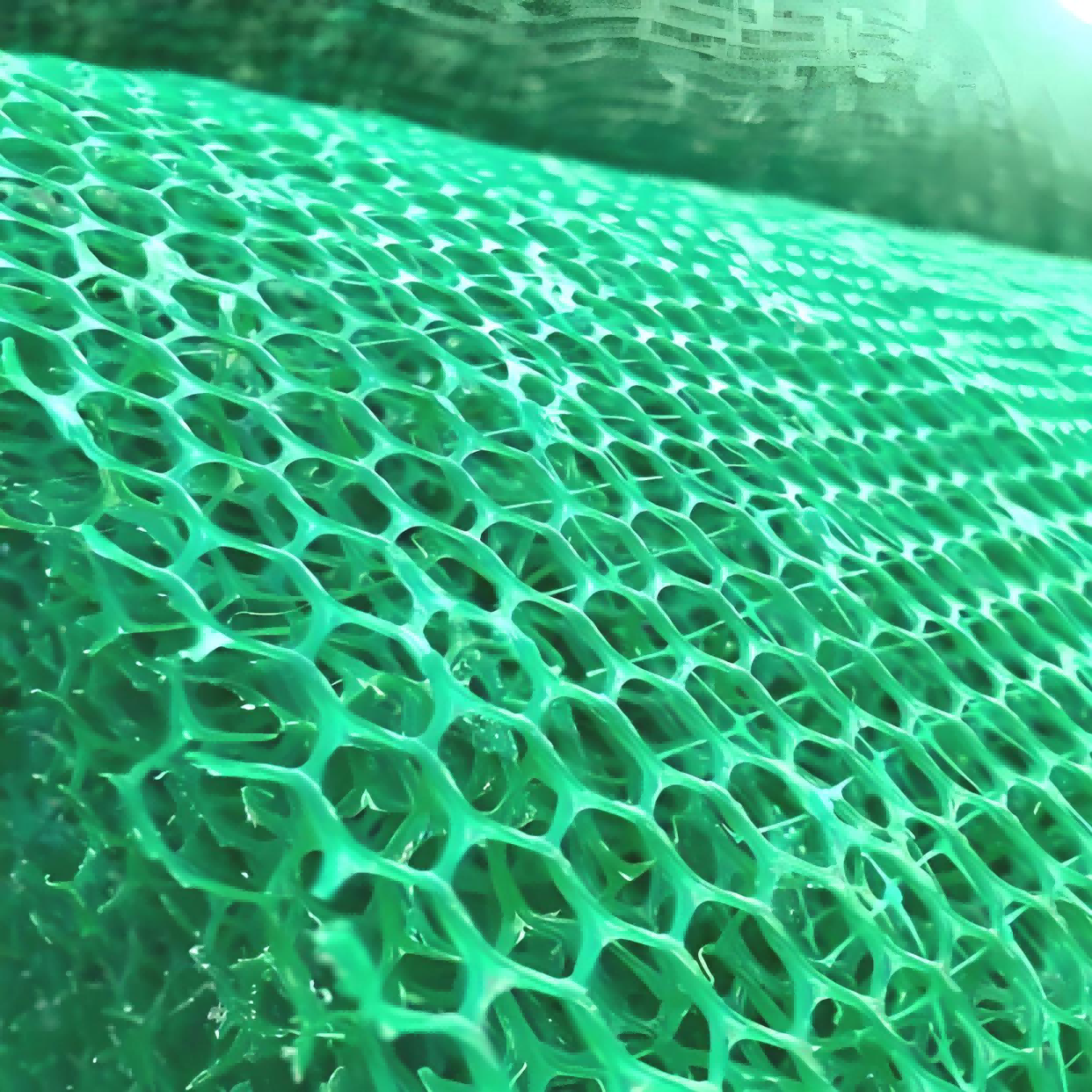
At its core, effective soil separation hinges on particle size and the physics of water movement. When soils of varying textures—like a loamy topsoil over a gravel base—are layered without a proper barrier, finer silt and clay particles inevitably migrate downward. This isn’t just gravity at work; capillary action and the relentless push of percolating water drive those tiny particles deep, clogging the vital pore spaces meant for drainage. The result is a dense, waterlogged layer that suffocates root systems and traps excess moisture where it doesn't belong.
A well-designed separation layer disrupts this process by introducing a gradient of permeability. Think of it as a gatekeeper that allows water molecules through while physically blocking soil grains. Advanced geotextile fabrics, for instance, leverage pore structures calibrated to specific micron ranges—large enough to prevent surface tension buildup but small enough to filter out even colloidal particles. Meanwhile, engineered aggregates like expanded shale create a maelstrom of microscopic channels that redirect water laterally, preventing the vertical compaction that turns ordinary soil into concrete after a heavy rain.
But the real magic happens at the capillary fringe, where surface tension forces meet the solid matrix. A superior drainage design exploits the soil water retention curve, maintaining just enough interfacial tension to nourish roots during dry spells while rapidly shedding gravitational water. This delicate balance is achieved through precise material choices—think angular crushed stone over round pea gravel, which resists shifting—and a careful sequencing of layers that mimics natural aquifer systems. The outcome isn’t just drier soil; it’s a breathing, resilient root zone that actively regulates moisture rather than simply enduring it.
Long-Lasting Solutions for Erosion Control
When looking to stabilize soil over time, natural vegetation remains one of the most effective tools. Deep-rooted native plants create a living network that holds soil in place, absorbs excess water, and rebuilds organic matter year after year. Unlike temporary fixes, this approach grows stronger with each season, adapting to local conditions without constant maintenance.
In areas where slopes demand more structure, combining hardscapes with biological elements yields durable results. Terraced steps made from stone or recycled materials slow runoff and create pockets where vegetation can thrive. The mix of physical barriers and root systems offers layered protection that stands up to heavy rains and shifting ground.
For coastlines and riverbanks, living shorelines are transforming how we manage erosion. Instead of rigid seawalls, these solutions use plants, sand, and natural fibers to absorb wave energy while supporting wildlife. They evolve with the landscape, reinforcing themselves as plants mature and sediments accumulate, providing resilience that man-made barriers often lack.
Selecting the Right Weight and Weave for Your Project
The feel and drape of your finished piece almost always come down to the fabric’s weight and weave, so matching these to your intended use is the first smart move. Lightweight cottons and linens with a plain weave breathe well and keep their shape, making them ideal for summer tops or airy curtains, while heavier twills and canvases bring the sturdiness needed for structured bags, upholstery, or workwear that has to take a beating.
Think about how the cloth will move and wear over time. A loose, open weave might be perfect for a breezy scarf but would snag constantly on a pet bed. Conversely, a densely woven wool suiting can feel stiff and hot if you’re after a relaxed cardigan. One trick is to drape a swatch over your hand or a chair back—if it holds the fold too crisply, it may not gather or flow the way you want.
Don’t forget comfort and care. A heavy velvet might seem luscious for a winter jacket, but the weight could strain your sewing machine or feel like a lead blanket on the body. Likewise, a delicate gauze might be a dream for a beach cover-up but could tear during the first wash cycle. Run your palm over the surface, crumple it gently, and imagine living with it—those few seconds can save you from a beautiful but impractical choice.
Installation Tips That Prevent Common Failures
A poorly executed installation is often at the root of many equipment breakdowns. One of the most overlooked steps is verifying the compatibility of all components before you even pick up a tool. Taking a few extra minutes to cross-check specifications against your system’s requirements can save weeks of troubleshooting later.
Another frequent issue stems from neglecting proper torque values. Over-tightening can crack housings or strip threads just as easily as loose connections cause leaks or erratic operation. Always use a calibrated torque wrench and follow the manufacturer’s guidelines to the letter, even if it feels less secure than your usual “by feel” method.
Finally, don’t underestimate the importance of cleanliness during assembly. Contaminants like metal shavings, dust, or excess lubricant can sneak into sensitive areas and cause premature wear or hydraulic failures. Wipe down every mating surface, use fresh sealants, and cap open lines immediately to keep the system pristine from the very first startup.
From Roads to Retaining Walls: Where PP Geotextiles Excel
Beneath every durable road lies a layer of PP geotextile quietly performing a critical job. When placed between the subgrade and the aggregate base, this permeable fabric stops the two materials from intermixing under heavy loads. Over time, soil particles can otherwise work their way up into the crushed stone, weakening the foundation. By maintaining that separation, polypropylene geotextiles keep the road structure intact, reducing rutting and extending service life without expensive maintenance.
In retaining walls, the demands shift—here, water pressure is often the silent enemy. PP geotextiles act as a filter and drain, letting groundwater pass through while holding back fine soil particles that would otherwise clog the drainage system. Wrapped around the backfill or placed behind the wall, they relieve hydrostatic buildup and prevent erosion of the soil behind the structure. This simple addition can mean far fewer repairs and a significantly longer structural lifespan.
FAQ
Polypropylene geotextile stands out because it combines high tensile strength with excellent puncture resistance. It effectively distributes loads over soft soils, preventing rutting and extending the lifespan of roads, parking lots, and building foundations.
The non-woven structure of PP geotextile allows water to pass freely while trapping fine soil particles. This prevents clogging in drainage systems, and the material maintains its permeability even under high pressure, keeping French drains and retaining walls functioning for years.
Yes, it’s designed with high tear resistance and survivability. Even during aggressive installation with sharp gravel and heavy equipment, the fabric holds up well, which reduces costly repairs and keeps the project on schedule.
Absolutely. PP geotextile resists rot, mildew, and chemical degradation commonly found in soil. It doesn’t absorb moisture, so it retains its strength and dimensional stability in constantly damp conditions, such as beneath riprap or behind seawalls.
For clay soils, a medium to heavy-weight non-woven PP geotextile (typically 6-8 oz/sq yd) works best. It provides enough separation to prevent aggregate from mixing with the subgrade while still allowing water to drain, minimizing potholes and sinking.
Non-woven PP geotextile offers better drainage than woven materials because of its felt-like porosity. While woven fabrics might have higher tensile strength, the non-woven type excels at filtration, which is critical in temporary roads and erosion control where water flow management is key.
No, polypropylene is chemically inert. It won’t leach harmful substances, and its open structure allows roots and soil microorganisms to coexist beneath the fabric. It simply creates a stable, long-lasting barrier between soil layers without disrupting the ecosystem.
Roll out the geotextile directly over the prepared and compacted subgrade, overlapping seams by at least 12-18 inches. Pin it down with stakes, and then place your aggregate layer. Avoid driving directly on the fabric before adding gravel to prevent shifting. It’s a straightforward process that saves time compared to thick aggregate-only solutions.
Conclusion
Polypropylene geotextiles have earned their reputation as the unsung heroes beneath our roads, foundations, and retaining walls. Their strength lies in a simple but critical role: keeping different soil layers from mixing while letting water pass freely. Without this separation, fine particles would gradually infiltrate aggregate bases, weakening the entire structure. PP geotextiles resist biological degradation and chemical attack far better than natural alternatives, which is why they remain effective for decades underground. The fabric’s non-woven needle-punched structure creates a maze of tiny pathways that trap soil particles while maintaining high permeability—exactly what’s needed to stop pumping failures and rutting. As a result, projects experience fewer costly repairs and enjoy a much longer service life.
The real-world performance of a PP geotextile comes down to choosing the right weight and weave for the site conditions. A lightweight fabric might be fine for landscaped areas with minimal traffic, but heavy-duty stabilization under a highway demands a robust, high-tensile product that can survive sharp aggregate placement. Installation details matter just as much: overlapping seams by at least 12 to 18 inches, avoiding wrinkles, and protecting the fabric from UV exposure before covering all prevent tears and weak spots. When used in erosion control, buried beneath riprap or concrete blocks, the geotextile forms a permanent barrier that filters seeping water without washing soil away. From steep slope reinforcement to subgrade separation under parking lots, these fabrics provide a reliable, long-term fix for ground instability and drainage challenges.
Contact Us
Contact Person: Jennifer LEE
Email: [email protected]
Tel/WhatsApp: 8618553418999
Website: https://vip.e-baixing.com/wenfengshitong