
Best Polymer Insulator: Key Features and Benefits Explained
2026-01-19
Have you ever wondered what makes certain polymer insulators stand out in the demanding world of electrical infrastructure? Lugao has been at the forefront of this innovation, and in this blog, we'll dive into the key features and benefits that define the best polymer insulators. From enhanced durability to superior performance in harsh conditions, these components are revolutionizing how power systems operate. We'll break down what sets them apart and why they're becoming the go-to choice for modern grids. Join us as we explore the engineering marvels behind these insulators and how they're shaping a more reliable energy future.
What Makes Polymer Insulators the Top Choice for Electrical Systems
When it comes to modernizing electrical grids, polymer insulators have surged ahead as the go-to solution for engineers and utility companies. What sets them apart isn't just a single feature, but a blend of practical benefits that directly address real-world challenges. Unlike traditional porcelain or glass insulators, these lightweight marvels are made from advanced materials like silicone rubber, which offers a unique combination of flexibility and durability. This means they can withstand harsh environmental conditions—from heavy rain and UV exposure to coastal salt spray—without cracking or deteriorating as quickly, reducing maintenance headaches and extending service life in diverse climates. It's this resilience that makes them a standout choice for power lines, substations, and transmission towers where reliability is non-negotiable.
Another key advantage lies in their superior performance under electrical stress. Polymer insulators boast excellent hydrophobic properties, meaning water beads up and rolls off their surface rather than forming a continuous film. This significantly reduces the risk of flashovers and power outages during wet weather, a common issue with older insulator types. Additionally, their sleek, streamlined design minimizes the accumulation of dirt and pollutants, further enhancing electrical insulation and safety. From high-voltage applications to urban installations, this improved performance translates to fewer interruptions and a more stable power supply, giving operators peace of mind that the system will hold up when it matters most.
Beyond technical specs, the adoption of polymer insulators is often driven by economic and logistical factors that can't be overlooked. Their lighter weight makes transportation and installation much easier and cheaper, cutting labor costs and allowing for quicker upgrades without heavy machinery. Plus, their longer lifespan means fewer replacements over time, offering a compelling return on investment compared to brittle alternatives. As industries push toward sustainable and efficient infrastructure, these insulators don't just meet the current needs—they future-proof electrical systems, ensuring they stay robust and cost-effective for years to come. It's no wonder they're becoming the top pick across the globe, from remote rural grids to bustling city networks.
Key Design Features That Enhance Polymer Insulator Performance
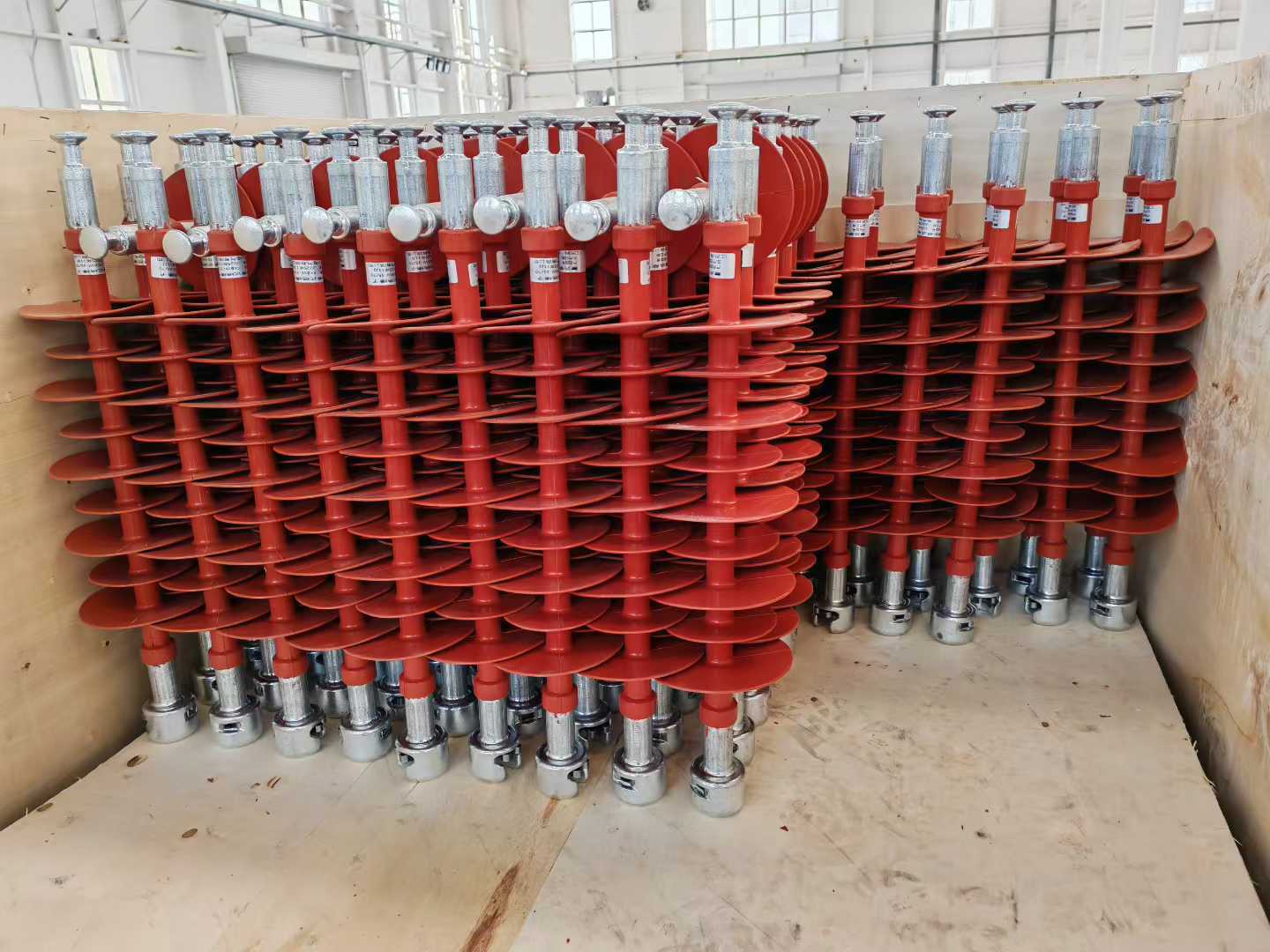
One of the standout aspects of modern polymer insulators lies in their housing materials, which are typically crafted from high-molecular-weight silicone rubber or ethylene propylene diene monomer (EPDM). These materials aren't just chosen for durability; they're engineered to resist tracking and erosion, even under harsh environmental conditions like heavy rain or extreme UV exposure. By incorporating hydrophobic properties, the surface repels water, minimizing leakage currents and preventing flashovers, which is a game-changer compared to traditional ceramic or glass insulators that can become brittle or crack under stress.
Beyond the material composition, the structural design plays a crucial role in boosting performance. Features like shed profiles—those umbrella-like shapes along the insulator—are optimized to enhance creepage distance without adding unnecessary bulk. This careful geometry helps in shedding water and contaminants more effectively, reducing the risk of electrical arcing. Additionally, internal fiberglass rods or metal end fittings are integrated to provide robust mechanical strength, ensuring the insulator can withstand high tension and vibrations from wind or conductor loads over long periods, all while maintaining electrical integrity.
Another key feature is the innovation in end-fittings and corona rings, which are often overlooked but vital for performance. Advanced designs incorporate corrosion-resistant metals and smooth interfaces to minimize electrical stress concentrations, thereby preventing premature aging. Coupled with rigorous testing for UV stability and thermal cycling, these insulators are tailored to endure decades of service in diverse climates, from tropical humidity to arid deserts, offering a reliable and low-maintenance alternative that stands out in the energy infrastructure landscape.
Benefits of Polymer Insulators for Long-Term Durability and Safety
When it comes to ensuring reliable performance over decades, polymer insulators offer a distinct advantage in resisting environmental stresses that commonly plague traditional materials. Unlike their porcelain or glass counterparts, these insulators are less prone to cracking from thermal cycling or physical impacts, thanks to their flexible composite construction. This inherent resilience reduces maintenance needs and prevents unexpected failures, contributing significantly to long-term durability and operational safety in harsh weather conditions.
Another key benefit lies in the hydrophobic properties of polymer materials, which minimize water absorption and prevent the formation of conductive paths that could lead to flashovers. This feature not only enhances safety by reducing electrical hazards but also maintains insulation integrity over time, even in humid or polluted environments. As a result, utilities and industries can rely on these insulators for consistent protection without frequent replacements, lowering overall lifecycle costs and improving system reliability.
Furthermore, polymer insulators are lightweight and easier to install, which reduces labor risks and streamlines deployment in challenging terrain. Their design flexibility allows for customization to meet specific voltage and mechanical requirements, ensuring a tailored fit for diverse applications. By combining these practical advantages with proven longevity, polymer insulators stand out as a modern solution that prioritizes both durability and safety, making them a smart choice for future-proofing electrical infrastructure.
How Polymer Insulators Outperform Traditional Materials in Various Environments
Polymer insulators, often made from materials like silicone rubber, offer remarkable advantages over traditional porcelain or glass insulators, especially in challenging environments. One key benefit is their superior resistance to environmental stressors such as moisture, salt, and pollution. In coastal or industrial areas, where salt fog or chemical contaminants can degrade porcelain surfaces, polymer insulators maintain their hydrophobic properties, preventing leakage currents and flashovers. This resilience translates to fewer maintenance interventions and enhanced reliability, making them a go-to choice for power lines in harsh climates.
Beyond durability, polymer insulators are significantly lighter and more flexible than their ceramic counterparts, which simplifies installation and reduces structural load on transmission towers. This flexibility allows them to absorb mechanical shocks from wind or ice without cracking, a common issue with brittle porcelain. In earthquake-prone regions or areas with extreme weather, this adaptability ensures continuous operation, minimizing downtime and repair costs. Moreover, their non-breakable nature enhances safety by reducing the risk of shattering that can occur with glass insulators under impact.
In terms of performance, polymer insulators excel in electrical insulation due to their high dielectric strength and resistance to tracking and erosion. Unlike traditional materials that can develop surface cracks over time, leading to electrical failures, polymers self-heal minor damages through their elastic properties. This makes them ideal for high-voltage applications in diverse settings, from urban grids to remote rural areas. By combining environmental robustness, mechanical adaptability, and long-term electrical stability, polymer insulators provide a cost-effective and sustainable solution that outperforms older technologies across the board.
Innovations in Polymer Technology That Drive Efficiency and Reliability
Polymer technology has undergone a remarkable transformation in recent years, shifting from basic material development to sophisticated innovations that directly enhance efficiency and reliability across industries. For instance, the advent of self-healing polymers allows materials to repair minor cracks or damages autonomously, reducing maintenance costs and extending the lifespan of products like automotive components and electronic devices. This not only boosts operational efficiency but also ensures greater reliability by preventing failures before they escalate.
Another key innovation lies in smart polymers that respond dynamically to environmental changes, such as temperature, pH, or light. These materials enable more precise control in applications like drug delivery systems and sensors, where efficiency is crucial for timely responses and minimal waste. By tailoring polymer behavior to specific conditions, manufacturers can create more reliable products that perform consistently under varying circumstances, leading to improved safety and performance in fields from healthcare to aerospace.
Furthermore, advances in additive manufacturing, or 3D printing with polymers, have revolutionized production processes by enabling rapid prototyping and customized manufacturing. This reduces material waste and energy consumption while increasing the reliability of final products through better design flexibility and quality control. As these innovations continue to evolve, they promise to drive even greater efficiencies and set new standards for reliability in polymer-based applications.
Practical Applications and Installation Tips for Optimal Polymer Insulator Use
In high-voltage power lines and substations, polymer insulators have become a go-to choice for their lightweight design and resistance to environmental factors, making them ideal for coastal areas prone to salt fog or regions with heavy pollution. Beyond just overhead transmission, these insulators are increasingly used in railway electrification and wind turbine installations, where their durability against mechanical stress and UV exposure helps extend equipment lifespan without frequent maintenance.
When installing polymer insulators, proper handling is key to avoid surface damage from mishandling or contamination during transport. Ensure that all hardware, such as end fittings and bolts, are torqued to manufacturer specifications to prevent loosening under vibration, a common issue in windy environments. For optimal performance in harsh climates, consider using accessories like corona rings to minimize electrical discharge and protect against premature aging from corona effects.
To get the most out of polymer insulators, regular inspections should focus on checking for cracks, tracking, or signs of hydrophobicity loss, which can indicate degradation. In areas with extreme temperature swings, verifying the insulator's thermal rating and using compatible coatings can prevent brittleness or warping. By integrating these practices into routine maintenance schedules, utilities can reduce downtime and enhance safety across their electrical grid.
FAQ
The best polymer insulator excels in durability through its high resistance to UV radiation, moisture, and chemical erosion, ensuring a longer lifespan even in harsh environmental conditions without frequent maintenance.
Polymer insulators are significantly lighter than traditional materials like porcelain, making them easier to transport, install, and handle on-site, which reduces labor costs and minimizes the risk of damage during setup.
Top-grade polymer insulators offer superior electrical performance, including high dielectric strength and excellent tracking resistance, effectively preventing electrical discharges and ensuring reliable insulation under varying voltage loads.
Polymer insulators enhance safety by being non-conductive and shatterproof, reducing the risk of accidents. They are also more environmentally friendly, often made from recyclable materials and producing less waste compared to ceramic alternatives.
By resisting contamination and requiring less frequent cleaning, polymer insulators help cut down on maintenance expenses. Their robust design minimizes the need for replacements, leading to long-term cost savings for utility companies.
The design of polymer insulators includes features like hydrophobic surfaces and flexible construction, which prevent ice buildup and withstand high winds or temperature fluctuations, ensuring consistent performance in extreme weather.
Polymer insulators support grid efficiency by reducing electrical losses and enabling better insulation in compact designs, facilitating the integration of renewable energy sources and improving overall system stability.
Manufacturers maintain high quality through rigorous testing for mechanical strength, electrical properties, and environmental resistance, coupled with advanced production techniques that ensure consistency across batches for reliable performance.
Conclusion
The article "Best Polymer Insulator: Key Features and Benefits Explained" explores why polymer insulators have become the preferred choice in modern electrical systems, emphasizing their superior performance and versatility. It highlights key factors such as their lightweight, corrosion-resistant properties, and innovative design features that enhance efficiency in harsh environments, making them stand out over traditional materials like porcelain or glass. The content integrates aspects from the subtitles, discussing how these insulators ensure long-term durability and safety through advanced polymer technology, while also covering practical applications and installation tips for optimal use.
By delving into the innovations driving reliability, the article showcases how polymer insulators outperform in various conditions, offering benefits like reduced maintenance and improved electrical performance. It emphasizes that their adaptability and robust design make them ideal for diverse settings, from industrial to utility applications, ensuring cost-effective and sustainable solutions for electrical infrastructure.
Contact Us
Contact Person: Doreen
Email: [email protected]
Tel/WhatsApp: 8618057712366
Website: https://www.liugaopower.com/