

All-In-One Strength Equipment: The Ultimate Guide to Wholesale Fitness Solutions
2026-04-20
In the fast-paced world of fitness, finding reliable and efficient strength equipment can be a challenge for gym owners and fitness enthusiasts alike. That's where "All-In-One Strength Equipment" comes into play—offering versatile solutions that streamline workouts and maximize space. At Yingruis, we understand the need for high-quality, wholesale fitness gear that adapts to diverse training needs. In this ultimate guide, we'll explore how innovative designs and durable construction can transform your fitness setup, whether you're stocking a commercial gym or upgrading a home studio. Get ready to discover practical tips and insights that will keep you ahead in the competitive fitness industry.
Explore the Benefits of All-In-One Strength Equipment
All-in-one strength equipment offers a versatile and efficient solution for anyone looking to build muscle or improve fitness without cluttering their space. By combining multiple exercise stations into a single unit, these machines eliminate the need for separate benches, racks, and pulleys, making workouts more streamlined and accessible. Users can easily switch between exercises like bench presses, leg curls, and lat pulldowns, saving time and reducing the hassle of moving between different pieces of gear. This consolidation not only maximizes the utility of your home gym but also encourages consistency by simplifying the exercise process.
Beyond convenience, these integrated systems often feature adjustable components that cater to various strength levels and body types, ensuring a safe and effective workout for everyone. With built-in weight stacks or resistance bands, users can progressively increase intensity, fostering steady gains in strength and endurance. The durability and compact design make all-in-one equipment a smart investment for long-term use, providing a reliable foundation for achieving fitness goals without the ongoing cost and maintenance of multiple machines.
Additionally, modern all-in-one strength equipment frequently includes ergonomic features and smooth mechanisms that enhance comfort and reduce the risk of injury, allowing for focused and productive sessions. Whether you're a beginner seeking guidance or an experienced lifter wanting to diversify routines, this equipment supports a broad range of exercises that target different muscle groups, promoting balanced development and overall health. Its adaptability makes it ideal for home setups where space and budget are limited, delivering professional-grade results in a user-friendly package.
Key Features to Look for in Wholesale Fitness Solutions
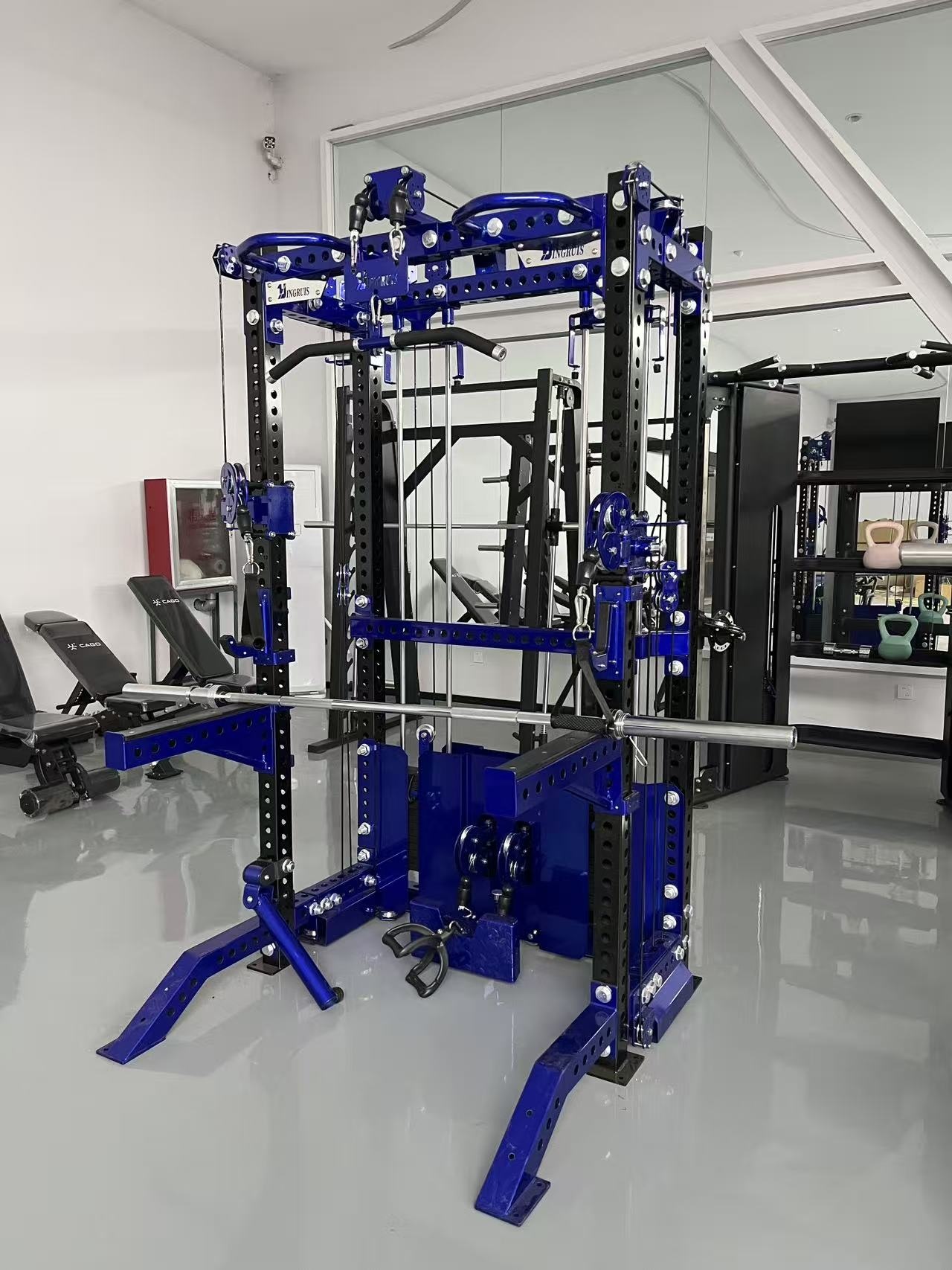
When sourcing wholesale fitness equipment, focus on durability and safety as top priorities. Look for solutions that use high-grade materials like reinforced steel frames and commercial-grade upholstery, which can withstand frequent use in gym environments. Check for certifications such as ISO standards or safety labels to ensure the equipment meets rigorous testing, reducing liability risks and maintenance costs over time. This approach helps build a reliable inventory that keeps members safe and satisfied.
Another key aspect is versatility and space efficiency, especially for facilities with limited area. Opt for modular designs or multi-functional machines that allow you to maximize utility without cramping the floor plan. For example, adjustable benches or racks that serve multiple exercises can streamline workouts and appeal to diverse user groups. By prioritizing flexible solutions, you create a dynamic gym layout that adapts to changing needs and attracts a broader clientele.
Don't overlook the importance of supplier support and customization options. A good wholesale partner should offer robust warranties, timely delivery, and responsive customer service to address issues quickly. Additionally, consider brands that provide customization, such as branded color schemes or tailored equipment setups, to differentiate your gym from competitors. These features enhance your operational efficiency and brand identity, making your investment more impactful in the long run.
How to Choose the Right Equipment for Your Business
Choosing the right equipment for your business isn't just about picking the latest gadgets; it's a strategic decision that can impact efficiency, productivity, and even employee satisfaction. Start by assessing your specific needs—consider the type of work you do, the volume of tasks, and any future growth plans. For example, a graphic design firm might prioritize high-resolution monitors and powerful computers, while a construction company would focus on durable tools and safety gear. By tailoring your choices to your operations, you can avoid overspending on unnecessary features and ensure that your investment directly supports your goals.
Next, factor in the total cost of ownership, which goes beyond the initial purchase price. Think about maintenance, repairs, training for staff, and potential downtime if equipment fails. It's often worth investing in higher-quality items or warranties that reduce long-term expenses and hassle. Also, evaluate compatibility with your existing systems to avoid integration issues that could slow down workflows. By taking a holistic view, you can make choices that not only fit your budget but also enhance reliability and minimize disruptions in your day-to-day activities.
Finally, test equipment before committing, if possible. Hands-on trials or demos can reveal nuances that specifications alone might miss, such as ease of use or durability under real conditions. Additionally, seek feedback from employees who will use the equipment daily—their insights can highlight practical needs that management might overlook. This collaborative approach helps ensure that your selections boost morale and efficiency, leading to a smoother-running business overall.
Trends Shaping the Future of Strength Training Gear
The evolution of strength training gear is being driven by a convergence of technology and personalization, moving beyond simple weight plates and benches. We're seeing smart equipment that tracks reps, form, and fatigue in real-time, offering instant feedback through integrated apps. This isn't just about counting; it's about optimizing each session to prevent injury and maximize gains, making every lift more intentional and data-driven.
Sustainability is emerging as a key trend, with brands focusing on eco-friendly materials and durable designs that last. Imagine kettlebells made from recycled rubber or resistance bands that biodegrade without harming the environment. This shift appeals to conscious consumers who want to reduce their fitness footprint while investing in gear that withstands daily wear, blending ethical choices with high performance.
Another exciting direction is the rise of compact, multifunctional gear that fits small spaces, like adjustable dumbbells that replace entire racks or foldable benches. These innovations cater to home gym users seeking versatility without clutter, proving that effective strength training doesn't require a massive setup. It's all about making fitness accessible and adaptable to modern lifestyles.
Tips for Maximizing Value with Bulk Purchases
When you’re considering bulk buying, the first step is to thoroughly assess your actual consumption patterns. Look at what you use regularly—whether it’s office supplies, pantry staples, or raw materials for production—and pinpoint items that don’t spoil quickly or go out of style. This isn’t just about grabbing the biggest pack; it’s about aligning purchases with your real needs. For instance, if your household goes through a lot of rice each month, stocking up can save you multiple trips to the store. But be cautious: overbuying perishables or trendy items might lead to waste. By taking a moment to evaluate usage rates and shelf life, you ensure that bulk purchases genuinely add value instead of cluttering your space or budget.
Another key to maximizing value is to shop around and compare deals meticulously. Don’t just settle for the first bulk offer you see; prices can vary significantly between suppliers, especially when factoring in shipping costs or membership fees. Consider checking wholesale clubs, online marketplaces, or direct manufacturer sales. Sometimes, buying in combination with others through group orders can unlock even better discounts. Remember to read the fine print—look for hidden charges or return policies that might affect the overall cost. By being a savvy shopper and exploring multiple options, you can often find bulk deals that cut costs by 20% or more, making the effort well worth it.
Lastly, think creatively about storage and usage to extend the benefits of bulk purchases. Proper organization can prevent spoilage and make items more accessible, such as using airtight containers for food or labeled bins for supplies. This helps you avoid losing track of what you have, which can lead to unnecessary re-purchases. Additionally, consider repurposing or sharing excess items if they don’t fit your needs—for example, splitting a large order with a neighbor or donating surplus to community centers. By managing your bulk buys efficiently, you not only save money upfront but also reduce long-term waste, turning a simple purchase into a sustainable habit that benefits both your wallet and the environment.
Real-World Success Stories from Fitness Providers
In an industry saturated with quick fixes and fleeting trends, many fitness providers have carved out lasting success by focusing on authenticity and genuine results. For example, a small studio in Austin, Texas, transformed its community by integrating mindfulness practices with strength training, leading to a 40% increase in client retention over two years. Their secret wasn't flashy marketing, but a commitment to personalized coaching and fostering a supportive environment where members felt heard and valued, demonstrating that sustainable growth springs from real connections rather than gimmicks.
Another standout story comes from a boutique gym in London, which pivoted during the pandemic to offer virtual classes tailored for remote workers, seeing a remarkable 200% surge in online subscriptions. By leveraging interactive technology and maintaining a strong sense of camaraderie through live Q&A sessions, they not only survived but thrived, illustrating how adaptability and innovation can turn challenges into opportunities. This approach resonated deeply with clients seeking flexibility without sacrificing the motivation of a group setting, proving that success often lies in reimagining traditional models.
Beyond urban centers, a rural wellness retreat in New Zealand gained international acclaim for its holistic programs that combine outdoor adventures with nutritional guidance, attracting guests from over 30 countries. Their focus on immersive, transformative experiences rather than just physical workouts has led to glowing testimonials and repeat business, highlighting that in a crowded market, differentiation through genuine impact and storytelling can build a loyal following and set a new standard for what fitness means in the real world.
FAQ
When buying wholesale, prioritize features like adjustable weight stacks, multiple cable pulley positions, and durable construction materials to ensure versatility and long-term use in various fitness settings.
All-in-one equipment often includes adjustable resistance and ergonomic designs, making it accessible for beginners while challenging enough for advanced users, promoting inclusivity and efficiency in gym layouts.
Wholesale purchases reduce per-unit costs and minimize space requirements, allowing gyms to offer comprehensive workouts with fewer machines, saving on both initial investment and long-term maintenance.
Regular lubrication of moving parts, periodic inspection of cables and padding, and adherence to manufacturer guidelines help prevent breakdowns and extend the lifespan in busy gyms or facilities.
By integrating multiple exercise stations into one unit, these systems enable users to switch between exercises seamlessly, reducing monotony and encouraging consistent use through diverse training options.
Look for features such as secure locking mechanisms, non-slip surfaces, and clear instructional labels to minimize injury risks and ensure safe operation in unsupervised or group settings.
Yes, all-in-one units consolidate functions like weightlifting and cardio into compact designs, maximizing floor space and allowing for efficient layouts in limited areas without sacrificing workout quality.
Conclusion
"All-In-One Strength Equipment: The Ultimate Guide to Wholesale Fitness Solutions" explores the comprehensive advantages and practical strategies for selecting and utilizing all-in-one strength equipment in business settings. This guide emphasizes the wide-ranging benefits of such equipment, including space efficiency, versatility, and enhanced user experience, catering to diverse fitness needs. It delves into key features to prioritize for wholesale solutions, such as durability, adjustability, and ease of maintenance, which are crucial for long-term cost savings and operational efficiency. Choosing the right equipment involves assessing specific business requirements, budget considerations, and alignment with emerging trends in strength training gear, ensuring a future-proof investment.
The guide also provides actionable tips for maximizing value through bulk purchases, such as negotiating pricing, leveraging supplier relationships, and conducting thorough product trials based on real-world success stories. These insights from fitness providers offer practical examples of how all-in-one equipment has driven growth and customer satisfaction. By integrating trends like smart technology integration and sustainable materials, businesses can stay competitive. Overall, this resource serves as a strategic tool for fitness entrepreneurs to make informed decisions, optimize investments, and build a robust, client-focused facility that stands out in the market.
Contact Us
Contact Person: Owen Wu
Email: [email protected]
Tel/WhatsApp: 86-15376736259
Website: https://www.yingruisfit.com/