

Air Damper Manufacturer: Your Comprehensive Buying Guide
2026-07-05
Finding the right air damper manufacturer can feel overwhelming—quality, reliability, and performance are non-negotiable. Whether you're optimizing HVAC systems or industrial airflow, the supplier you choose directly impacts efficiency and safety. Among the names that consistently meet these demands is THT, a manufacturer known for precision-engineered solutions. But what truly sets a great air damper apart, and how do you navigate the options? This guide cuts through the noise, helping you ask the right questions and avoid costly mistakes. Let's dive into what makes a supplier worth your trust—and why the details matter more than you think.
Understanding the Core Types of Air Dampers
Air dampers are essential components in HVAC systems and industrial airflow management, acting as valves that regulate, direct, or isolate air movement within ductwork. While they may appear similar at a glance, their internal designs diverge significantly to serve distinct operational roles. The most common types include volume control dampers, which modulate airflow quantity; fire and smoke dampers, designed to prevent the spread of fire and toxic fumes; and backdraft dampers, which allow air to flow in only one direction. Each type addresses a specific challenge, from balancing comfort across zones to meeting stringent life-safety codes.
Volume control dampers are the workhorses of everyday climate control, often found in residential and commercial duct branches. They typically feature adjustable blades arranged in parallel or opposed configurations—parallel blades pivot in the same direction for quick shutoff, while opposed blades rotate in opposite directions to maintain a stable pressure drop across varying positions. Fire dampers deploy a fusible link that melts at a set temperature (usually 165°F or 212°F), triggering spring-loaded blades to slam shut and compartmentalize the building. Smoke dampers add motorized actuators tied to smoke detection systems, sealing off the duct to restrict the invisible threat of smoke migration. Meanwhile, backdraft dampers rely on lightweight flappers or gravity-operated blades that open with forward airflow and snap closed when pressure reverses, preventing unconditioned outdoor air from infiltrating the system.
Beyond these fundamentals, specialized variants like guillotine and iris dampers provide tailored solutions for extreme environments. Guillotine designs slide a blade vertically into the airstream, offering a positive seal in high-pressure or contaminated air applications such as laboratory exhaust or fume hoods. Iris dampers, with interlocking leaves that close like a camera shutter, create a nearly perfect circular opening ideal for precise flow measurement and control in round ducts. Understanding these categories is more than an academic exercise—it directly influences energy efficiency, occupant safety, and system longevity. Selecting the wrong damper type can lead to poor airflow balance, code violations, or even catastrophic failure during an emergency, which is why engineers must match the damper’s mechanical characteristics to the specific demands of pressure, temperature, and leakage rating.
Key Materials and Their Impact on Performance
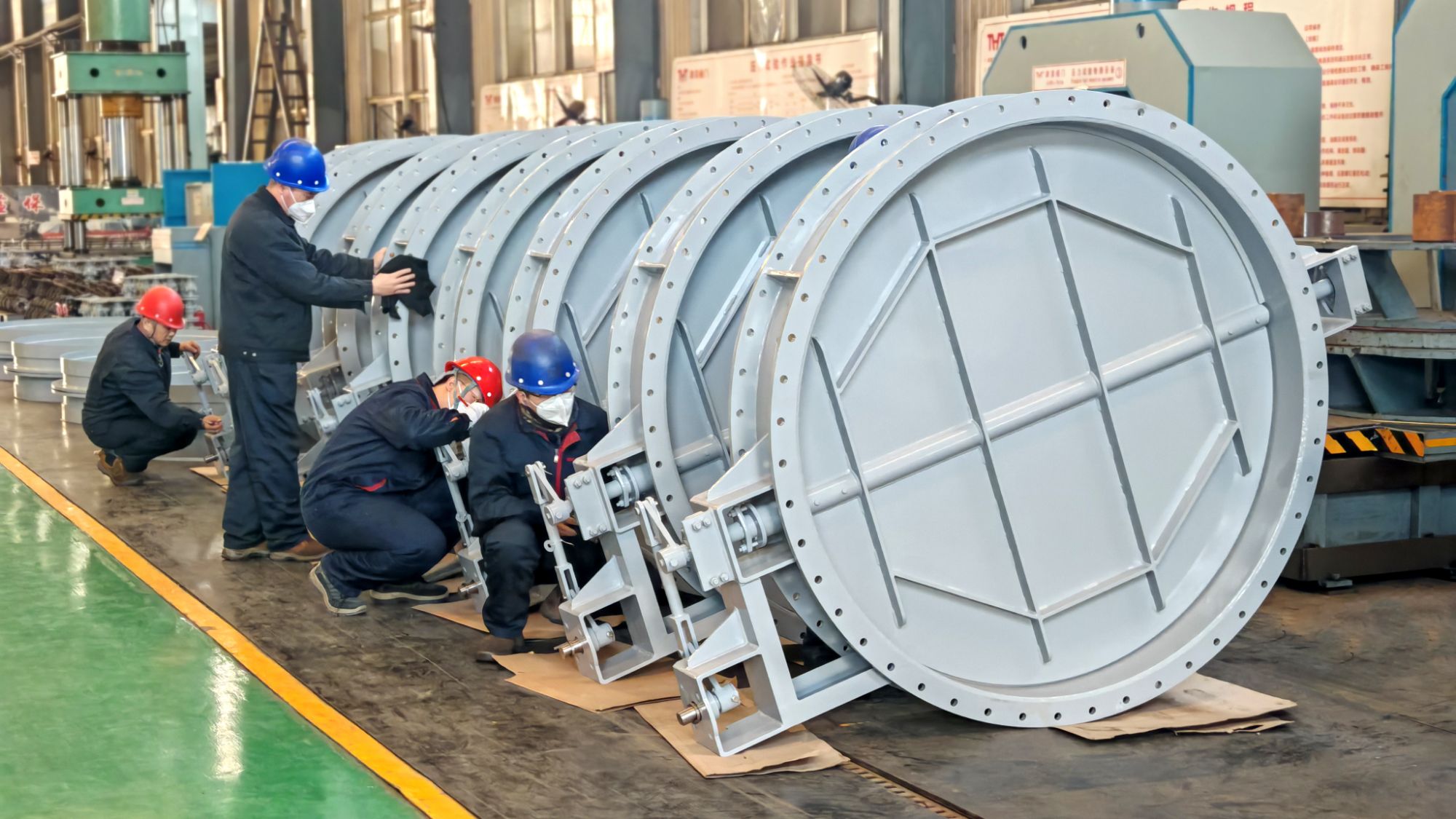
The materials chosen for a product often determine whether it can withstand extreme conditions or remain lightweight. In aircraft engines, nickel-based superalloys maintain strength at temperatures near their melting point, while titanium alloys trade a bit of that heat resistance for a roughly 40% reduction in fan blade weight and excellent corrosion resistance. This kind of substitution directly affects fuel consumption and thrust-to-weight ratio, so even the most clever design can't compensate for an unsuitable material.
Performance breakthroughs don't always come from using a stronger, harder material—sometimes they hinge on unique physical responses. Piezoelectric materials generate an instant charge under mechanical stress, making them central to precision sensors, haptic feedback systems, and energy harvesting. Shape-memory alloys, on the other hand, can return to a preset form when heated, finding roles in compact medical devices and self-repairing structures. These 'active' materials transform what was once a passive structure into something that adapts, expanding functional possibilities well beyond traditional boundaries.
Processing techniques can elevate an ordinary substance to extraordinary levels. A standard steel, after carburizing or nitriding, can have its surface hardness multiplied several times over while the core stays tough. Certain polymers, when oriented through stretching, approach the tensile strength of some metals yet remain transparent and recyclable. These post-processing methods blur the lines between material categories, empowering designers to tailor properties on demand rather than relying solely on a material's raw characteristics.
Critical Factors When Selecting a Manufacturer
Beyond the glossy brochures and polished sales pitches, a manufacturer’s true capabilities often surface in the details most buyers overlook. Start by examining how they handle production consistency—request data from recent runs, not just the golden samples. Look for evidence of statistical process control and a genuine commitment to ongoing training, as these are the bedrock of repeatable quality. A shop floor that embraces lean principles and swift corrective action when defects arise is worth far more than one that simply touts outdated certifications.
The rhythm of communication can make or break a partnership long before the first shipment leaves the dock. Pay attention to how quickly they grasp your technical requirements, and whether they flag potential design flaws instead of silently building to a faulty spec. A responsive manufacturer assigns dedicated engineering support rather than cycling you through an anonymous sales queue. Accessibility across time zones, cultural alignment in problem-solving, and the willingness to share bad news early are strong indicators of a collaborator, not just a vendor.
Financial stability might seem like a dry checkbox, but overlooking it invites disruption you can’t afford. Dig into how they manage raw material sourcing during volatile markets, and whether they invest in their own facilities during industry downturns. The health of their supplier relationships often mirrors your own future experience—manufacturers that pay on time and cultivate loyalty upstream tend to protect downstream commitments. Pair that scrutiny with a check on their capacity cushion; the most reliable partners keep enough headroom to absorb your growth or help you recover when a competitor stumbles.
Installation Insights for Optimal Functionality
Getting the setup right from the start can make all the difference between a smooth experience and endless troubleshooting. Even small decisions, like where to place the device or how to route cables, often determine how well everything performs day to day. Paying attention to the environment—lighting, humidity, vibration—helps avoid a host of problems that only show up later.
Don’t underestimate the value of double-checking mounts and fasteners. A slightly loose bracket might seem harmless, but over time it can introduce subtle misalignments that degrade efficiency or accuracy. Also, take a minute to verify that all connections are not just tight but actually seated properly—sometimes a plug feels secure even when it’s not fully engaged.
Finally, think about accessibility for future maintenance. A clever installation isn’t just tidy; it leaves room to reach filters, sensors, or ports without dismantling half the setup. Leaving clear labeling or a simple diagram nearby can save hours later, especially for anyone who wasn’t part of the original install.
Maintenance Practices That Extend Damper Life
Dampers work in tough conditions, so a consistent maintenance schedule is the foundation of long service life. It starts with regular visual inspections—look for signs of rust, debris buildup, or misalignment that could lead to uneven wear. Cleaning the blades and surrounding areas prevents accumulation of dust and corrosive particles that silently degrade components. When overlooked, these small issues turn into costly repairs, making routine checks a simple yet powerful way to keep dampers functioning reliably.
Lubrication is often underestimated, but using the right grease on bearings, linkages, and actuator connections dramatically reduces friction and wear. Pay attention to the operating environment; in high-temperature or wet settings, choose lubricants designed for those extremes. Equally important is verifying that actuators are calibrated correctly—misaligned or overworked actuators strain the damper assembly, leading to premature failure. Replacing worn seals and gaskets before they fail can also prevent air leakage, maintaining efficiency and protecting internal parts.
Beyond the basics, keeping detailed records transforms maintenance from reactive to predictive. Track each inspection, repair, and replacement to spot patterns—maybe a certain component always fails after a specific number of cycles. This data lets you schedule proactive replacements during planned downtime, avoiding emergency shutdowns. Training personnel to recognize early warning signs, such as unusual vibrations or delayed response times, adds another layer of protection. It's this combination of care, knowledge, and foresight that really pushes damper lifespan beyond expectations.
Innovations Shaping the Future of Air Dampers
Air dampers, once simple mechanical devices for regulating airflow, are undergoing a quiet revolution driven by advances in materials, sensing, and control technologies. Today's innovations are not just about incremental improvements; they represent a fundamental reimagining of how we manage indoor environments. For instance, the integration of shape-memory alloys allows dampers to autonomously adjust blade positions in response to temperature changes without external power, dramatically reducing energy consumption in HVAC systems. Such passive intelligence is complemented by active systems that use real-time occupancy data and air quality metrics to fine-tune ventilation zones, ensuring comfort while minimizing waste.
Another frontier is the adoption of IoT-enabled dampers that function as nodes within larger building management ecosystems. These devices communicate wirelessly, sharing data on airflow patterns, pressure differentials, and filter statuses, which enables predictive maintenance and fault detection long before issues escalate into costly failures. Manufacturers are also exploring biomimetic designs that replicate the silent, efficient operation of natural structures like fish gills, promising near-noiseless performance in applications where acoustic comfort is critical, such as hospitals and recording studios.
Perhaps most intriguing is the role of air dampers in next-generation infection control strategies. Ultraviolet-C germicidal irradiation modules embedded directly into damper housings can neutralize airborne pathogens as air passes through, offering a discreet layer of protection in high-traffic public spaces. Combined with dynamic zoning capabilities that isolate contaminated areas in real time, these innovations are transforming dampers from passive components into active guardians of health, reshaping expectations for what building ventilation can achieve.
FAQ
Look beyond the glossy website. Check how long they've been in business, but also dig into their actual project portfolio. Ask for case studies that mirror your application, not just generic ones. Client references are gold—reach out and ask about lead times, communication, and how they handled any hiccups. Also, swing by their facility if possible; a well-organized shop floor tells you more than any brochure.
Start by giving them a real challenge. Send over a rough sketch or a problematic spec, and see how their engineering team responds. Do they just quote a standard unit with minor tweaks, or do they engage in a back-and-forth to refine your idea? A truly custom-minded manufacturer will ask about your airflow dynamics, space constraints, and even material compatibility before talking price.
It's mainly about scale and severity. Commercial manufacturers often focus on standard sizes, lower leakage classes, and cost efficiency for HVAC in offices or malls. Industrial specialists deal with harsh environments—think corrosive gases, extreme temperatures, or high-pressure systems. Their dampers might require welded construction, exotic alloys, or heavy-duty actuators. Always check if their testing data aligns with your real-world conditions.
Local wins for lead time and face-to-face troubleshooting, especially if you're dealing with a complex installation. Overseas might offer lower upfront costs, but factor in freight, import duties, and the potential headache of returns or technical support gaps. I've seen too many projects stall because of a simple miscommunication over a drawing revision that took days to resolve across time zones.
ISO 9001 is the baseline, but don't stop there. For life safety applications, AMCA compliance for leakage and fire ratings is non-negotiable. If you're in nuclear, pharmaceutical, or marine sectors, look for ASME N-stamp or similar. Also, ask if their in-house testing rig is calibrated and traceable—some manufacturers just send out one unit for certification and hope nobody checks the rest.
Request a pre-production sample, but don't just eyeball it. Measure the blade clearance, weld consistency, and coating thickness. Run it through a few hundred cycles to see if the linkages wear out prematurely. Compare the build against the submittal drawings—deviations here often signal bigger issues down the line. A good manufacturer will welcome this scrutiny.
Absolutely. Look past the per-unit price. Some manufacturers quote the damper only, leaving you to source actuators and controls separately, which can blow your budget. Others charge extra for testing reports, packing for export, or extended warranties. Get a fully loaded quote that includes freight, installation accessories, and after-sales support. Also, ask about their policy on site commissioning—does it come with a price tag, or are they invested in your system's success?
Ask for a spare parts list with lead times before you sign. If they don't have a dedicated support line or a local technician network, you might be in for a long wait when something breaks. Find out if they offer on-site training for your maintenance crew, and whether they keep an inventory of legacy components for older designs. A manufacturer that still supports a damper sold a decade ago is one you can trust.
Conclusion
Selecting the right air damper manufacturer involves more than just comparing prices; it requires a deep understanding of how core types—such as control, balancing, and fire dampers—align with your system's specific airflow and safety needs. The materials used in construction, from galvanized steel to stainless steel or aluminum, directly influence durability, corrosion resistance, and overall performance in different environments. When evaluating manufacturers, look beyond basic certifications and scrutinize their engineering expertise, customization capabilities, and track record in your industry. A manufacturer that prioritizes rigorous testing and offers detailed performance data demonstrates a commitment to quality that pays off in long-term reliability.
Installation insights and long-term maintenance practices are equally vital to damper functionality, yet they are often overlooked during the purchasing phase. Even the best dampers will underperform if installed incorrectly or neglected. Partner with manufacturers who provide clear installation guides, on-site support, and accessible maintenance resources. Modern innovations, including smart actuators with IoT connectivity and advanced blade designs for minimal leakage, are reshaping damper technology. A forward-thinking manufacturer invests in these advancements while still delivering robust, serviceable designs. Ultimately, your buying guide should lead you to a partner who balances cutting-edge innovation with proven, practical solutions, ensuring optimal air management for years to come.
Contact Us
Contact Person: Su Zhang
Email: [email protected]
Tel/WhatsApp: +86-25219206
Website: https://www.tht-valve.com/